Introduction – Why Choosing a Packaging Supplier Is a Strategic Decision, Not Just a Purchase

Many businesses assume packaging only protects products during transportation and storage. In reality, every damaged product represents a direct financial loss, along with replacement costs, logistics expenses, and customer service burdens. Effective packaging protects profits just as much as it protects products.
A packaging supplier plays a critical role in maintaining smooth business operations. Suppliers with reliable production capacity and consistent delivery schedules help organizations avoid disruptions. On the other hand, unstable supply can lead to production delays and missed project deadlines.
Some companies purchase seemingly high-quality packaging materials yet continue facing operational challenges. In many cases, the problem lies not in the product itself but in supplier-related issues such as inconsistent quality, limited production capacity, slow response times, or insufficient technical support.
A traditional supplier focuses solely on fulfilling purchase orders. A true business partner, however, helps optimize specifications, reduce operational costs, improve product protection, and ensure long-term supply reliability.
Industrial packaging is a crucial component of successful operations. Proper packaging ensures products reach their destination safely and efficiently, reducing damage rates and improving customer satisfaction.

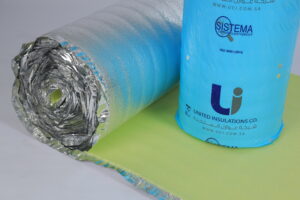
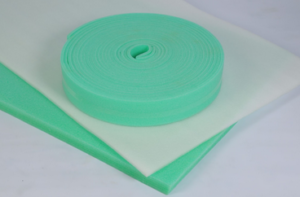
Products are exposed to multiple risks during transportation and storage, including impact, friction, moisture, and compression. Packaging solutions such as foam sheets, foam rolls, and protective foam corners help minimize these risks and maintain product integrity.
Effective industrial packaging contributes to:
Together, these benefits lead to stronger profitability and a better return on investment.
Many businesses continue working with the same supplier for years without regularly reviewing performance. Over time, this can result in hidden operational losses. Periodic supplier evaluations help ensure ongoing alignment with business requirements.
If product damage rates increase despite unchanged transportation and storage conditions, the issue may be related to declining packaging quality or unsuitable packaging specifications.
Repeated delivery delays can significantly impact production schedules and project timelines. When delays become a recurring issue, supplier performance should be reassessed immediately.
Consistency is a key indicator of supplier reliability. Frequent quality variations between shipments may signal weaknesses in quality control systems.
Businesses often require technical guidance when modifying packaging specifications or solving operational challenges. Suppliers that cannot provide adequate support may limit long-term business growth.
Warning signs that indicate the need for supplier reassessment include:
The success of choosing an industrial packaging supplier depends on evaluating a combination of technical, operational, and commercial factors rather than focusing on a single criterion. Suppliers that balance quality, reliability, production capacity, and technical support contribute directly to operational success and risk reduction.
Product quality is the foundation of every purchasing decision. However, quality alone is not enough; it must remain consistent across all shipments and production batches. Variations in density, thickness, or protective performance can create operational challenges.
When evaluating a foam packaging supplier, buyers should verify:
Even the highest-quality products lose value if a supplier cannot deliver required quantities on time. Buyers should evaluate the supplier’s production capabilities and ability to meet both current and future demand.
For this reason, delivery reliability is one of the most important indicators of supplier performance.
As businesses grow, demand for packaging materials increases. Suppliers capable of handling large-volume orders provide flexibility and support long-term business expansion without requiring frequent supplier changes.
The lowest-priced supplier may appear attractive initially, but focusing solely on price often creates hidden costs such as:
Successful organizations focus on total value rather than simply choosing the lowest price.
Before approving a supplier, businesses should verify that packaging products deliver the required level of protection and performance. Practical and technical testing of product samples is the most effective evaluation method.
Buyers should verify:
Impact resistance testing measures a material’s ability to absorb shocks and vibrations during transportation. This is especially important for electronics and fragile products.
Many industrial products are exposed to varying humidity levels during storage and transportation. Packaging materials should maintain their protective properties under such conditions.
Physical samples provide one of the most reliable ways to assess a supplier. They allow businesses to test packaging performance under real operating conditions and compare it with existing solutions.
Before supplier approval, ensure the following checklist is completed:
Evaluation Criteria | Yes | No |
|---|---|---|
Have product samples been tested? | ✓ | |
Is quality consistent? | ✓ | |
Can the supplier meet required volumes? | ✓ | |
Does the supplier hold quality certifications? | ✓ | |
Does the supplier provide technical support? | ✓ | |
Is delivery performance reliable? | ✓ |
The direct answer is: Not always.
In many situations, choosing the lowest-cost supplier leads to higher overall project costs due to product damage, reshipping expenses, and operational inefficiencies.
A low-cost supplier may save a small percentage on packaging costs but cause significantly higher losses through damaged products.
For example:
If a company saves 5% on packaging costs but experiences a 10% increase in damaged goods, the purchasing decision ultimately becomes more expensive.
Professional procurement teams rely on Total Cost of Ownership (TCO) rather than comparing purchase prices alone.
TCO includes:
High-quality packaging reduces repackaging requirements, minimizes product damage, and improves operational stability. As a result, investing in reliable packaging solutions lowers overall operating costs.
Industry experience shows that selecting a low-quality supplier can result in:
The most important criterion when selecting an industrial packaging supplier is the ability to provide consistent quality and reliable delivery performance, supported by quality certifications, technical support, and sufficient production capacity to meet current and future needs.
Production capacity and supply stability are critical factors when choosing an industrial packaging supplier. Even when product quality is excellent, a supplier’s inability to meet demand or maintain delivery schedules can disrupt operations and increase costs.
Large industrial projects and manufacturing facilities require suppliers with sufficient production capacity to handle continuous demand and high-volume orders without compromising quality or delivery performance.
Key evaluation points include:
Supply disruptions can create significant operational losses, especially in industries that depend on precise production schedules. Packaging shortages may halt packing operations, delay shipments, or interrupt manufacturing activities altogether.
Working with suppliers that maintain strategic inventory levels helps ensure supply continuity during unexpected demand spikes or emergency situations.
Business requirements can change unexpectedly. Professional suppliers demonstrate flexibility by adapting quickly to urgent demands and providing alternative solutions without disrupting operations.
You can assess a supplier’s ability to grow with your business by:
Certifications and formal accreditations reduce procurement risks and provide buyers with greater confidence in a supplier’s ability to maintain quality standards.
H3: ISO 9001 Certification
ISO 9001 is one of the world’s most recognized quality management certifications. It confirms that a company follows documented processes to control operations, improve performance, and enhance customer satisfaction.
At United Insulation Company (UCI), ISO 9001 certification reflects a genuine commitment to quality and continuous improvement.
Packaging products should comply with relevant Saudi standards and technical requirements, particularly when used in industrial, infrastructure, or government projects.
Certifications alone are not enough. Suppliers should also maintain robust quality control systems that include:
Technical compliance testing verifies that products meet required specifications related to density, thickness, impact resistance, and overall performance.
Recognized certifications help:
A professional supplier does more than sell products. They provide technical guidance and consulting services that help customers maximize packaging performance.
Packaging requirements vary across industries and products. Specialized suppliers help customers determine the ideal thickness, density, and design specifications for each application.
Suppliers should provide detailed technical documentation including:
Certain projects require customized packaging solutions that standard products cannot provide. This is where suppliers with customization capabilities deliver significant value.
When packaging or supply issues arise, suppliers should respond quickly and implement practical solutions that minimize operational disruption.
Large organizations seek strategic partners rather than simple suppliers. These partners help:
When evaluating multiple suppliers, procurement teams should use objective assessment models that support informed decision-making beyond price comparisons.
The following evaluation model can be used:
Criteria | Weight |
|---|---|
Quality | 30% |
Delivery Reliability | 25% |
Production Capacity | 20% |
Price | 15% |
Technical Support | 10% |
Key comparison criteria include:
Documenting supplier strengths and weaknesses enables data-driven supplier selection and more effective procurement decisions.
Approved supplier lists help organizations:
The best purchasing decision balances:
Rather than simply selecting the lowest-priced supplier.
Even experienced procurement teams can make mistakes that negatively impact operational efficiency and increase long-term costs. Understanding these common pitfalls helps organizations make smarter and more sustainable purchasing decisions.
Focusing solely on price is one of the most common procurement mistakes. A lower price does not always translate into better value and may result in increased product damage, supply disruptions, and higher operational costs.
Some organizations rely only on product specifications without conducting real-world testing. This can result in performance issues being discovered after implementation, increasing costs and operational risks.
Samples are essential for evaluating product quality and suitability for specific applications. Skipping this step can lead to selecting an unsuitable supplier.
A supplier’s history, previous projects, and customer references should be reviewed before making a final decision. A strong track record demonstrates reliability and long-term performance.
To avoid costly procurement mistakes:
United Insulation Company supports local industry by manufacturing high-quality products according to international production standards, contributing to Saudi Vision 2030 goals related to localization and industrial sustainability.
The company implements strict quality control procedures to ensure consistent specifications throughout production, providing customers with reliable and dependable solutions.
Its product range includes:
United Insulation Company maintains production capabilities that support large-scale industrial and commercial projects while ensuring consistent quality and supply reliability.
Beyond supplying products, UCI provides technical consultation and helps customers select the most effective packaging and protection solutions for their specific applications.
Long-term partnerships with reliable suppliers help businesses:
A manufacturing company was experiencing high product damage rates during transportation, recurring delivery delays, and inconsistent packaging quality.
The company selected a new supplier based on:
After switching suppliers, the company achieved:
The right supplier impacts far more than packaging quality; it influences profitability, operational performance, customer satisfaction, and long-term business sustainability.
The most important factor is consistent quality supported by reliable delivery, technical expertise, and sufficient production capacity.
Yes. Samples allow businesses to evaluate real-world performance before committing to a long-term agreement.
Evaluate foam packaging by testing density, thickness, impact resistance, moisture resistance, and reviewing actual product samples.
ISO 9001 demonstrates that the supplier follows a structured quality management system focused on consistency and continuous improvement.
Use Total Cost of Ownership (TCO) instead of comparing purchase prices alone, considering damage, delays, and return-related expenses.
A comprehensive supplier review should typically be conducted every 6 to 12 months.
Suppliers are a critical part of the supply chain, and any weakness in quality or delivery directly impacts production, profitability, and customer satisfaction.
Professional suppliers protect profits by reducing damage, improving efficiency, ensuring supply stability, and minimizing hidden operational costs.
Long-term supplier relationships create stronger supply chain stability, better planning capabilities, lower risks, and improved return on investment.
If you are looking for a reliable packaging materials supplier in Saudi Arabia with proven quality, production strength, and supply stability, United Insulation Company offers trusted solutions that protect products and enhance operational efficiency.