Table of Contents
ToggleIn modern construction, thermal insulation has become an essential element in building design rather than just an optional feature. Among the most widely used materials in this field are thermal insulation foam boards, thanks to their high efficiency in reducing heat transfer and improving energy consumption within buildings.
With the diversity of projects—residential, commercial, and industrial—the need to select the appropriate foam board type and thickness becomes critical. Choosing the wrong board can lead to poor insulation, higher operational costs, or even long-term structural damage.
United Insulation Company (UCI) provides advanced solutions in manufacturing thermal insulation foam boards using Low-Density Polyethylene (LDPE) foam, following international standards to support energy efficiency and sustainability in modern projects.
Every construction project has a different purpose. Residential buildings focus on thermal comfort and noise reduction, while industrial projects require higher resistance to pressure, humidity, and temperature
Some building areas face higher pressure than others, such as floors or roofs that support equipment or human movement. Therefore, thermal insulation foam boards must be selected based on mechanical properties suitable for those loads.
Randomly selecting insulation materials can lead to issues such as:
Thermal insulation foam boards are typically manufactured from polymer materials such as Low-Density Polyethylene (LDPE) foam, known for its closed-cell structure that reduces heat and moisture transfer
Key characteristics include:
Foam boards reduce heat transfer between the interior and exterior of a building, helping minimize the energy consumption of cooling and heating systems
Commercial foam is often used in simple applications, while professional foam is manufactured according to strict quality standards like those adopted by UCI, including density testing, compression resistance, and thermal stability
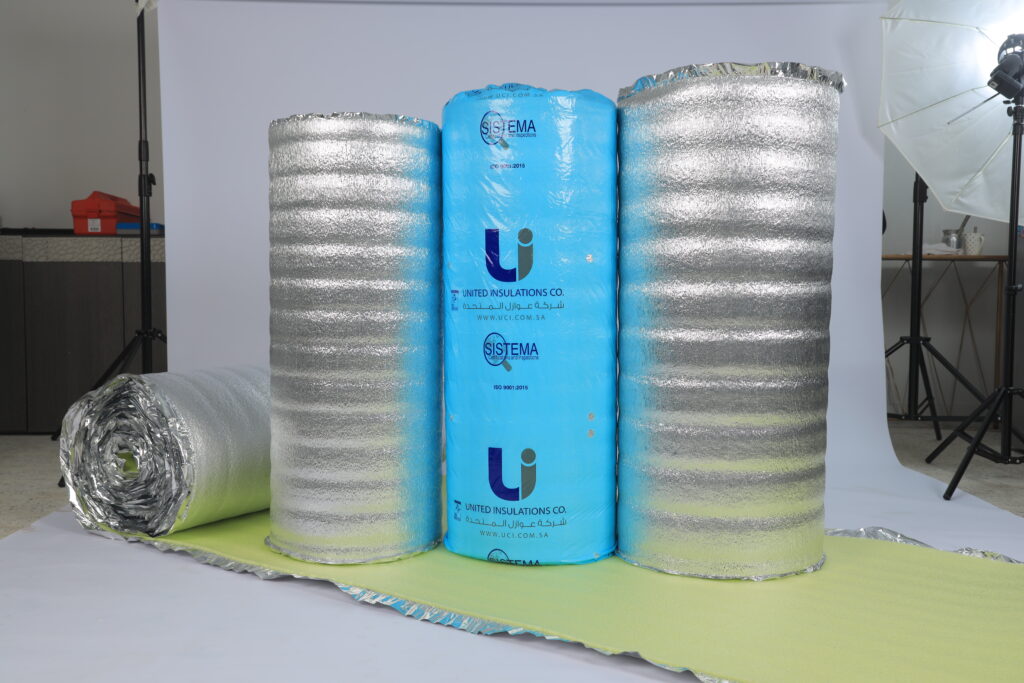
Thin foam thicknesses are suitable for applications requiring light insulation such as:
Medium thickness boards are commonly used for wall and roof insulation in residential and commercial buildings
Industrial projects and warehouses often require thicker boards to ensure insulation efficiency and load resistance
Increasing thickness without proper study may result in:
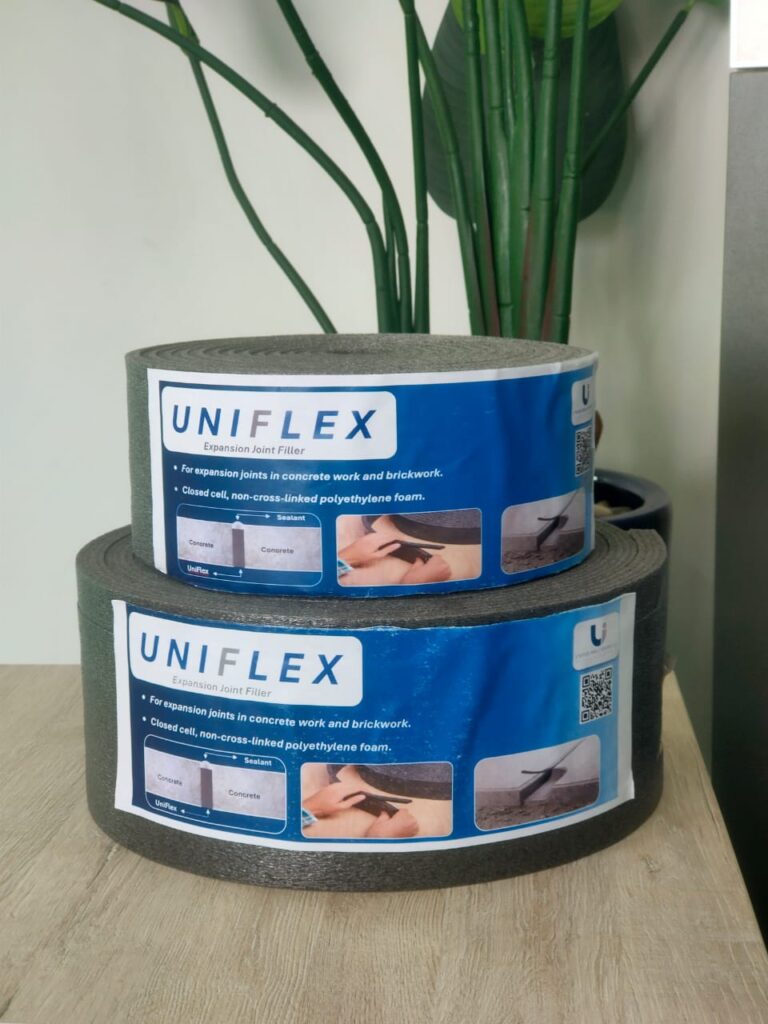
When using thermal insulation foam boards for walls, the focus should be on thermal efficiency while maintaining appropriate thickness
Roofs are more exposed to direct sunlight and therefore require insulation materials with higher thermal performance
For floors, foam must be capable of withstanding pressure and friction from daily use.
Loads in residential buildings are relatively low, so moderate foam board thickness is typically sufficient
Commercial buildings such as malls and hotels require insulation materials with higher compression resistance
Commercial buildings such as malls and hotels require insulation materials with higher compression resistance
These products include:
Packing Sheet for packaging protection
These products include:
Packing Sheet for packaging protection
The company has obtained the ISO 9001 certification for quality management systems, reflecting its commitment to delivering high-quality products based on global standards
The ideal thickness depends on the application area and project type
Not necessarily; excessive thickness may increase costs without improving performance
Yes, provided that the correct type and thickness are selected
High-quality foam can last for decades when properly installed
When installed properly, foam does not affect finishing; instead, it helps protect it
Choosing the right thermal insulation foam boards is not only about price or availability but also about understanding the project type, application area, and required thickness
With the industrial expertise and modern technologies provided by United Insulation Company (UCI), developers and engineers can ensure effective and sustainable insulation solutions that enhance energy efficiency and extend building lifespan
 A Comprehensive Guide to Choosing the Right Insulation Materials for Your Project
  How to Order Industrial Warehouse Insulation? A Complete Guide to Choosing the Best Hangar Insulation in Saudi Arabia
  Procurement Manager’s Guide to Choosing the Right Industrial Packaging Supplier
  How to Choose the Correct Backer Rod Diameter for Every Type of Joint
 United Insulations Company (UCI) is a leading Saudi company specialized in manufacturing and supplying thermal and acoustic insulation solutions, as well as low-density foam products. The company is committed to the highest standards of quality and sustainability to support construction and industrial projects within the Kingdom and beyond.
Third Industrial City, P.O. Box: 22766 Jeddah-6838, Saudi Arabia
Sunday - Thursday 8AM : 5PM