How to Order Hangar Insulation for Factories? A Complete Decision-Making Guide

Table of Contents

Introduction – Why Hangar Insulation Is No Longer Optional but Operationally Essential

Hangar insulation is no longer a luxury; it has become a core operational requirement. In a climate like Saudi Arabia, high temperatures without insulation lead to direct losses in energy and productivity

Impact of Heat Inside Hangars on Productivity

Rising Temperatures

Temperatures inside uninsulated hangars can exceed outdoor levels, negatively affecting the work environment

Impact on Workers and Equipment

Heat stress reduces worker productivity, while machinery faces premature wear and failures

The Cost of Not Insulating Factories


  • High energy consumption
  • Frequent breakdowns

Key Question: How Much Do Factories Lose Daily Due to Poor Insulation?

 Short answer: Losses can reach thousands of riyals daily due to excessive electricity use and downtime

What Is Hangar Insulation and Why Is It Different from Traditional Insulation?

Hangar insulation is a complete system that includes thermal, acoustic, and moisture protection, specifically designed for large metal structures

Definition of Industrial Hangar Insulation


  • Thermal insulation
  • Acoustic insulation
  • Moisture resistance

Difference Between Residential and Hangar Insulation


  • Metal structures respond quickly to heat
  • Greater environmental challenges

Why Do Factories Need Completely Different Specifications?

Because industrial environments are harsher and require materials that withstand heat, moisture, and stress.

Problems Solved by Hangar Insulation in Factories

High Internal Temperatures

Moisture Condensation on Metal Surfaces

Noise from Machinery

High Energy Consumption

How Do These Problems Turn into Operational Losses?

 Each issue translates into cost: more energy, more maintenance, less output.

Types of Hangar Insulation Used in Saudi Arabia

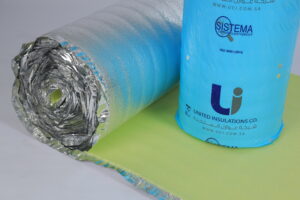
Polyethylene Foam (LDPE Foam)


  • Lightweight
  • Moisture-resistant

Rock Wool

High heat resistance

Polystyrene (XPS / EPS)

Comparison of Performance and Cost

Type Performance Cost
LDPE Excellent Medium
Rock Wool High High
XPS Good Affordable

How to Choose the Right Insulation for Your Factory

Based on Industrial Activity


  • Heavy industries
  • Storage

Based on Internal Temperature

Based on Location Type

Insulation Selection Formula

 Activity + Environment + Budget = Ideal solution

Steps to Order Hangar Insulation (Step-by-Step)

Define Project Requirements


  • Area
  • Structure type

Choose Insulation Type

Define Thickness and Density

Request Detailed Quotation

Review Sample

Pre-Contract Checklist


  • Specs are clear
  • Warranty included
  • Timeline defined

What Should an Insulation Quotation Include?


  • Material type
  • Thickness & density
  • Quantity
  • Delivery time
  • Warranty

How to Identify a Vague Quotation?

 Missing specifications is a red flag.

Common Mistakes When Ordering Hangar Insulation


  • Choosing cheapest option
  • Ignoring environment
  • Not testing materials

How Do These Mistakes Cause Losses?

 Wrong choice = rework + financial loss

How Good Insulation Improves Factory Efficiency


  • Lower energy use
  • Better work environment
  • Longer equipment life

Practical Example

A factory reduced energy consumption by 30% after insulation.

Why United Insulation Company Is the Best Choice


  • Factory-focused products
  • High quality
  • Moisture resistant
  • Technical support

How Do They Ensure Project Success ?

 Through consultation, design, and proper material selection.

When Should You Start Insulating?


  • During construction
  • When energy costs rise
  • When issues appear

Delay = Higher Cost

FAQ – Frequently Asked Questions

LDPE foam is the best option

 Depends on project size.

 Define specs and contact supplier.

Conclusion – Proper Insulation Protects Your Investment

 Insulation is not a cost—it’s a long-term investment