In Saudi Arabia, high temperatures are more than a climatic challenge; they directly affect building design, energy consumption, and indoor comfort. Because buildings can be exposed to intense heat for long periods of the year, significant amounts of heat may transfer through roofs, walls, and other parts of the building envelope, increasing the load on air-conditioning systems and contributing to higher electricity consumption. This is where
thermal insulation becomes an essential part of building-envelope design. Selecting the right insulation material and installing it correctly can help reduce heat transfer between the indoor and outdoor environments and improve the building’s thermal performance. This guide explains the
main types of thermal insulation, the most commonly used insulation materials, how they differ, and how to select the appropriate material and thickness based on the building type, climate, and intended use.
Why Do Buildings in Saudi Arabia Need Thermal Insulation?
Buildings in Saudi Arabia require
thermal insulation because the hot climate increases the amount of heat transferred into indoor spaces, particularly through roofs and walls exposed to solar radiation. The greater the heat gain, the harder air-conditioning systems have to work to maintain comfortable indoor temperatures. The Saudi Building Code addresses the importance of energy-efficient building-envelope design, including adequate thermal resistance and reduced air leakage, through energy-conservation requirements associated with
SBC 601 and SBC 602.
How Does Heat Enter a Building?
Heat can enter a building through several pathways, not only through walls. Major heat-transfer points include:
- Roofs and ceilings exposed to solar radiation.
- Exterior walls.
- Windows and doors.
- Joints and areas containing thermal bridges.
- Connections between different building-envelope materials.
- Gaps or openings that allow uncontrolled air leakage.
For this reason,
roof and wall insulation should be considered as part of an integrated building-envelope system rather than as an isolated treatment for one area.
How Is Insulation Related to Electricity Consumption?
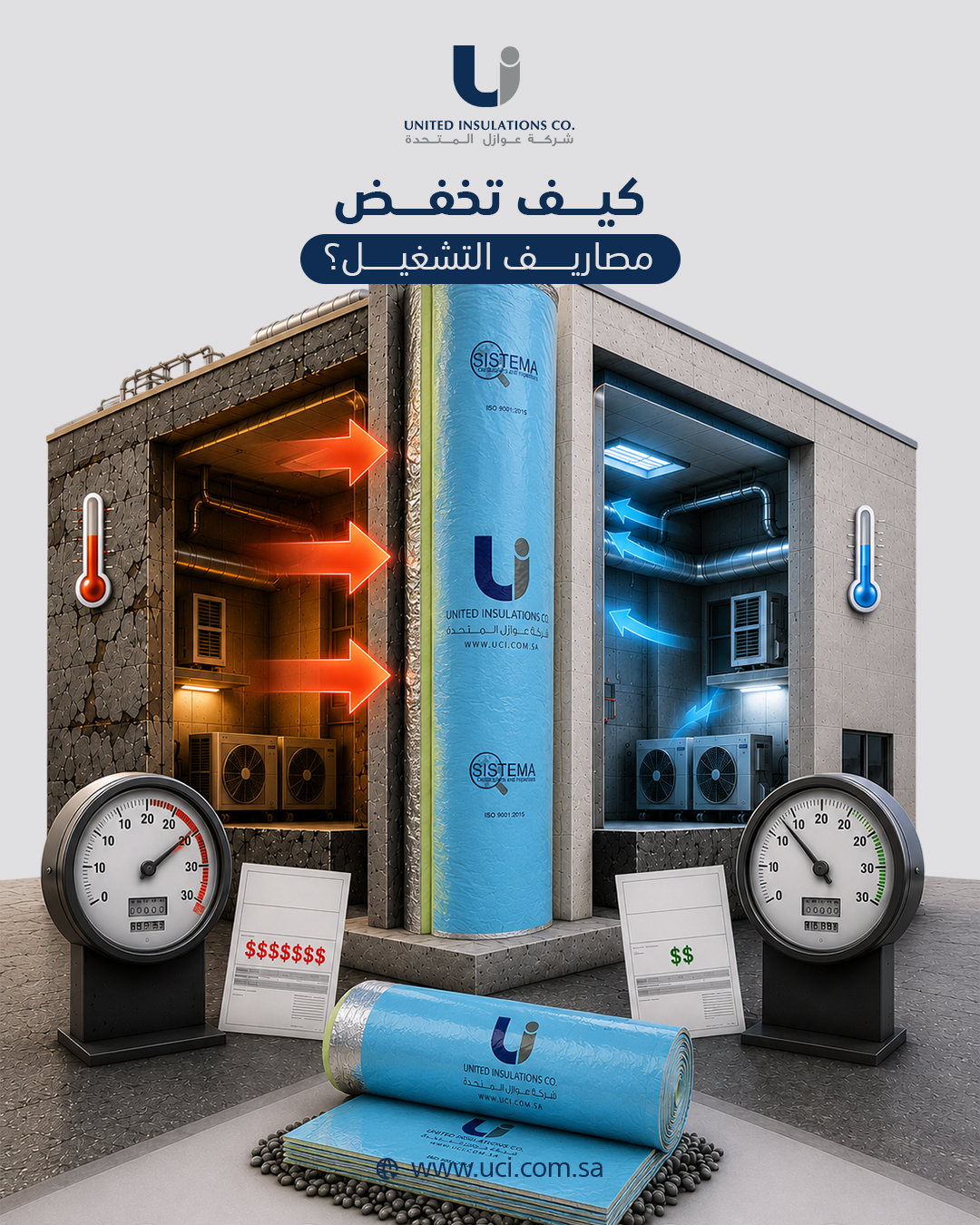
Thermal insulation does not generate electricity or eliminate the need for air conditioning. Instead, it helps reduce heat transfer through the building envelope. When the building’s thermal load is reduced, cooling systems may require less energy or operate for shorter periods under comparable conditions. Therefore, insulation performance is closely connected to the overall building design, including orientation, windows, shading, HVAC systems, and installation quality.
Types of Thermal Insulation Used in Buildings
Thermal insulation types can be classified in several ways, including the location of the insulation within the building system, the material used, and the part of the building being protected. In practical terms, insulation can be divided into internal and external insulation, roof and wall insulation, as well as specialized solutions for industrial buildings, metal structures, and other construction applications.
Internal vs. External Thermal Insulation
Internal and external insulation differ primarily in where the insulation is installed and how it interacts with the building envelope. Neither approach is universally suitable for every project because the choice depends on the structural design, climate, available space, and construction method.
External Insulation
External insulation is installed on the outside of building elements according to the approved structural and façade system. One of its key benefits is its ability to reduce heat transfer through walls and help maintain more stable indoor temperatures. It can be suitable for new construction and, in some cases, renovation projects, depending on the building design and façade system.
Internal Insulation
Internal insulation is installed on the interior side of the building envelope and may be useful in certain renovation projects where modifying the exterior façade is difficult or impractical. However, moisture, condensation, interior space, and ventilation must be carefully evaluated because insulation performance depends on the complete system, not simply on the material itself.
Roof and Wall Insulation
Roofs and exterior walls are among the most important components of the building envelope to consider when designing a
thermal insulation system. Roofs can be particularly significant in buildings exposed to direct solar radiation for extended periods. Therefore, insulation selection should not be based only on the material name. The application location, temperature exposure, moisture conditions, and project requirements should all be considered.
Roof Insulation
Roofs are directly exposed to solar radiation and can therefore represent a significant source of heat gain. The appropriate insulation system depends on the roof type, existing layers, waterproofing system, finishing materials, and project requirements. It is also important to ensure compatibility between thermal insulation and the other roof layers, particularly in systems where thermal and waterproofing solutions are integrated.
Wall Insulation
Wall insulation helps reduce heat transfer between the exterior and interior of a building. The appropriate solution varies according to wall construction, thickness, structural layers, and finishing systems. In modern construction, wall thermal performance should be determined as part of the overall building-envelope design rather than by selecting an insulation material in isolation.
Comparing the Most Common Thermal Insulation Materials
There is no single material that can be called the
best thermal insulation material for every building. Performance requirements vary according to the application, thermal resistance, moisture exposure, mechanical loads, available space, installation method, and safety requirements. Construction projects use a range of materials, including different types of foam, polystyrene, polyurethane, mineral wool, and others. SASO has technical requirements and standards covering several insulation and building-cladding materials, including polyurethane, polystyrene, and rock wool products.
| Material | Common Applications | Key Factors to Evaluate |
| Polyethylene foam | Insulation, protection, and selected industrial/construction applications | Thickness, density, thermal conductivity, moisture |
| EPS | Walls, roofs, and selected building systems | Density, moisture resistance, system design |
| XPS | Roofs and areas requiring greater moisture resistance | Water absorption, compressive strength, thickness |
| Polyurethane | High-performance thermal insulation applications | Application method, density, protection |
| Rock wool | Thermal/acoustic insulation and selected construction systems | Density, moisture, fire performance, installation |
Low-Density Polyethylene Foam (LDPE)
 Low-Density Polyethylene Foam (LDPE Foam)
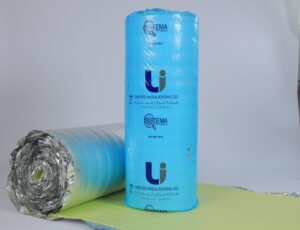
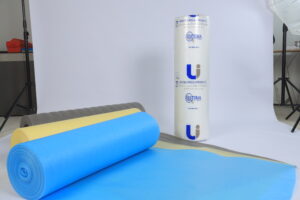
 is used in a variety of insulation and protection applications. Its lightweight and flexible characteristics, together with closed-cell structures in many products, can make it suitable for applications where thermal insulation, protection, and moisture resistance are required together. United Insulation (UCI) manufactures low-density polyethylene foam products as part of its insulation and protection solutions for various industrial and construction applications.
Why Is Polyethylene Foam Used for Insulation?
The effectiveness of foam insulation depends on its structure and technical properties rather than simply the material name. Closed-cell foam products can provide useful characteristics such as low water absorption, flexibility, low weight, and suitable thermal performance for designed applications. However, thickness, density, and technical specifications should always be selected according to the actual application.
Foam Boards and Other Insulation Materials
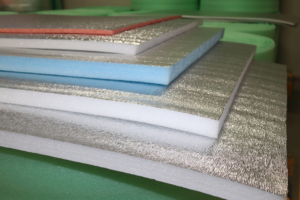
Foam insulation boards are widely used in thermal insulation applications, particularly for walls, roofs, floors, and selected construction systems. Their characteristics vary depending on the foam type, density, thickness, and installation method. UCI offers foam boards designed for thermal insulation applications in walls, roofs, and floors, with a focus on reducing energy loss and improving insulation performance.
EPS and XPS Polystyrene
Both
EPS and XPS polystyrene are used in a range of thermal insulation applications. Their structures and properties differ, so the selection should not be based on price alone. Moisture resistance, compressive strength, thickness, installation method, and insulation location are important factors when determining suitability.
Polyurethane
Polyurethane is used in applications requiring high thermal performance within specific thickness constraints. It may be suitable for systems where strong insulation performance is required but installation space is limited. However, application method, protection, and compatibility with other system layers are critical factors in determining suitability.
Rock Wool
Rock wool is used in thermal and acoustic insulation applications and is also incorporated into systems where fire-performance characteristics are important. The specific product should be selected based on project requirements, density, environmental conditions, and installation method. SASO includes manufactured rock wool insulation products among the insulation materials covered by relevant technical standards.
How Do You Choose the Right Thermal Insulation?
Choosing the
best thermal insulation material should not start with the question, “Which material is the best?” Instead, ask: “Which material is most suitable for this application?” A material suitable for a residential building may not be the right choice for a warehouse, metal structure, or industrial facility. The project should therefore be evaluated as an integrated system.
1. Identify Where the Insulation Will Be Installed
Do you need to insulate a roof, wall, floor, pipe, warehouse, or metal structure? Identifying the application area significantly narrows the material options and determines which performance characteristics should receive priority.
2. Assess Temperature and Moisture Exposure
In Saudi Arabia, expected temperatures, solar exposure, humidity, and condensation should all be evaluated. A material that performs well in a dry application may require different specifications when exposed to water or continuous moisture.
3. Compare Thermal Conductivity and Thermal Resistance
Two important technical indicators are
thermal conductivity and
thermal resistance. In general, lower thermal conductivity indicates a material’s ability to limit heat transfer more effectively. However, a proper comparison must also consider thickness, density, operating conditions, and installation method.
4. Do Not Ignore Moisture and Water Absorption
Moisture can affect the performance of certain insulation systems, so water absorption, water-vapor transmission, and compatibility with waterproofing systems should be reviewed. Saudi technical regulations for insulation materials address several performance considerations, including moisture, water, safety, and suitability for the intended application.
5. Evaluate Compressive Strength and Durability
If insulation is installed beneath floors or in areas exposed to loads, compressive strength becomes an important consideration. For industrial applications, additional evaluation may be required for impact resistance, vibration, and operating conditions.
What Determines Thermal Insulation Thickness?
There is no single insulation thickness suitable for every building.
Thermal insulation thickness depends on the required thermal performance, material type, installation location, building-envelope characteristics, applicable code requirements, and project conditions. For this reason, thickness should not be selected based solely on a generic recommendation.
Key Factors Affecting Insulation Thickness
Key factors include:
- Insulation material type.
- Thermal conductivity.
- Required thermal resistance.
- Wall or roof construction.
- Outdoor temperature conditions.
- Building-code requirements.
- Moisture and site conditions.
- Available installation space.
- Mechanical loads.
- Waterproofing and finishing systems.
Common Thermal Insulation Mistakes to Avoid
Mistake 1: Choosing the Material Based Only on Price
The least expensive material may not be suitable for the application and could result in lower performance or additional maintenance. The correct comparison should consider technical performance and total lifecycle cost.
Mistake 2: Ignoring Technical Specifications
Purchasing insulation without reviewing its technical data can lead to selecting a product that does not meet project conditions. Thermal conductivity, density, thickness, water absorption, compressive strength, and other required properties should be reviewed.
Mistake 3: Focusing on the Material but Ignoring Installation
Even a material with strong technical properties may fail to deliver expected performance if gaps, poor cutting, or installation defects are present. Installation quality is therefore an essential part of overall insulation-system performance.
Mistake 4: Failing to Address Thermal Bridges
Heat may still transfer through specific points of the building envelope even when the surrounding areas are insulated. Joints, interfaces, and construction details that may create thermal bridges should therefore be evaluated.
Mistake 5: Ignoring Compatibility Between System Layers
Thermal insulation is not always a standalone layer. It may form part of a system that includes waterproofing, protection layers, finishes, and other components. Material compatibility should therefore be verified before installation.
How Should Insulation Be Selected According to Building Type?
| Building Type | Main Considerations |
| Residential buildings | Roofs, walls, windows, indoor comfort |
| Commercial buildings | Energy efficiency, operation, thermal loads |
| Warehouses | Roofs, walls, ventilation, condensation |
| Metal structures | Roofs, metal walls, moisture, condensation |
| Industrial facilities | Temperature, moisture, durability, operating conditions |
| Construction projects | Layer compatibility, loads, code requirements |
Thermal Insulation for Industrial Buildings and Metal Structures
Warehouses, metal structures, and industrial buildings require particular attention because metal surfaces can respond rapidly to external temperature changes and solar exposure. One specialized solution is
hanger and metal-structure insulation, offered by UCI using polyethylene foam for applications including warehouses, hangars, and metal buildings, with properties related to thermal insulation, moisture resistance, and condensation control. You can explore the specialized solution through
Hanger Insulation.
When Are Foam Insulation Boards a Suitable Option?
Foam insulation boards can be suitable when a project requires a lightweight and manageable material for a designed wall, roof, or floor insulation system. However, board selection should not be based on appearance or thickness alone. Technical properties such as thermal conductivity, density, moisture resistance, compressive strength, and installation method should be reviewed. UCI offers foam boards for wall, roof, and floor insulation applications. You can explore
Thermal Insulation Foam Boards for more information about applications and characteristics.
Why Is Selecting the Insulation Material Alone Not Enough?
A common mistake is treating thermal insulation as a standalone product when actual performance depends on the complete system. A building may contain high-quality insulation, but gaps, thermal bridges, installation defects, or incompatible layers can reduce overall performance. Insulation should therefore be considered an
engineering system that begins with design and continues through installation and inspection.
Quality and Standards When Selecting Insulation Materials in Saudi Arabia
Selecting insulation materials in the Saudi market should take relevant technical and regulatory requirements into account. SASO’s Technical Regulation for Building Materials – Part 2 covers insulation and building-cladding materials and establishes requirements related to intended use, safety, and performance. The regulation addresses considerations including fire safety, health and environmental aspects, acoustic protection, energy conservation, and thermal insulation.
How Should You Start Selecting Thermal Insulation for Your Project?
If you are a project owner, developer, contractor, or engineer, start the selection process by asking:
- Which building component needs insulation?
- What temperatures and moisture conditions are expected?
- Is the material exposed to direct sunlight?
- What thermal resistance is required?
- What installation thickness is available?
- Will the insulation be exposed to loads or compression?
- Are there specific fire or acoustic requirements?
- Is the material compatible with the other system layers?
- Does it comply with the project’s applicable specifications and codes?
- Does the supplier provide clear technical data and test information?
The Role of United Insulation in Thermal Insulation Solutions
United Insulation (UCI) provides insulation and protection solutions based on low-density polyethylene foam, alongside specialized products for industrial and construction applications. Its product portfolio includes solutions such as foam boards, hanger insulation, protection layers, and other products designed for different applications. The most important step when selecting any insulation product is to define the application and project requirements first, then select the appropriate specifications based on technical data. You can
explore UCI’s insulation and protection products and review the available solutions for different project requirements.
Conclusion: What Is the Best Thermal Insulation Material in Saudi Arabia?
There is no single material that can be considered the
best thermal insulation solution for every building in Saudi Arabia. The right choice is the material that matches the project type, insulation location, climate conditions, required performance, available thickness, code requirements, and installation method. In the Saudi climate, effective insulation begins with understanding the building’s heat-transfer paths and designing an integrated building envelope that considers roofs, walls, windows, joints, and thermal-bridge areas. Material selection should then be based on clear technical data rather than price or brand name alone. If you are designing or constructing a project and need to determine the
right thermal insulation material, evaluating the application and operating conditions with a specialized supplier can help you identify a more suitable solution.
Looking for the right insulation solution for your project?
Choosing an insulation material depends not only on the building type, but also on the application, surrounding conditions, and required performance.
Talk to UCI’s insulation experts to discuss your project requirements and identify the most suitable solution. Frequently Asked Questions
−Does Thermal Insulation Reduce Electricity Consumption?
Yes. Thermal insulation can help reduce a building’s thermal load by limiting heat transfer through roofs, walls, and other insulated elements. This may reduce the energy demand of air-conditioning systems, but actual savings vary depending on building design, climate, HVAC systems, insulation level, and installation quality.
−What Is the Best Insulation for Buildings in Saudi Arabia?
There is no single insulation material that is best for every building. The choice depends on the building type, insulation location, temperature and moisture exposure, required thermal resistance, thickness, budget, and applicable code requirements. The material should therefore be selected according to the application rather than the material name alone.
−What Factors Determine Insulation Thickness?
Insulation thickness is determined by material type, thermal conductivity, required thermal resistance, wall or roof construction, climate conditions, building-code requirements, available space, and installation method. Thickness should therefore be determined as part of the project’s technical design.
−Can Polyethylene Foam Be Used in Saudi Buildings?
Yes. Polyethylene foam products can be used in various insulation and protection applications depending on product specifications and the intended application. UCI provides low-density polyethylene foam products for different industrial and construction uses, including hanger insulation and selected insulation and protection solutions.
−What Is the Difference Between EPS and XPS?
Both are polystyrene-based insulation materials, but they differ in structure and properties. When selecting between them, factors such as density, compressive strength, water absorption, thermal conductivity, thickness, and operating conditions should be compared rather than relying on the material name alone.
−Can Thermal Insulation Be Used for Both Roofs and Walls?
Yes. There are insulation systems and materials designed for both roofs and walls, but the material and installation method must match each application. Roofs are typically exposed to solar radiation and weather conditions differently from walls and may therefore require a different layer system.
−Does Thermal Insulation Replace Waterproofing?
No. Thermal insulation and waterproofing serve different purposes. Thermal insulation is designed to reduce heat transfer, while waterproofing is designed to limit water penetration. In some building systems, both can work together as integrated layers.
−Why Should Thermal Bridges Be Considered?
Thermal bridges should be considered because they can create easier pathways for heat transfer through specific areas of the building envelope, even when surrounding areas are well insulated. Joints, connections, and construction details should therefore be addressed during design and installation.
−How Do I Know if an Insulation Material Is Suitable for My Project?
Start by defining the application, then review the material’s technical data, thermal conductivity, thickness, density, water absorption, compressive strength, fire-performance requirements where applicable, and compatibility with the other system layers. For large projects, the specifications should preferably be reviewed with the responsible engineer or consultant.
Ready to Get Started?
Talk to our insulation experts to choose the right insulation material for your building.
Request a Quote