In today’s business environment, managing operational costs has become one of the biggest challenges for companies, especially in commercial buildings that operate for long hours and rely heavily on cooling systems. This is where thermal insulation and energy saving solutions play a critical role in reducing energy consumption and improving operational efficiency.
In Saudi Arabia, where temperatures remain high for most of the year, proper insulation can significantly reduce the load on air conditioning systems, resulting in lower electricity bills and reduced operating costs.
Commercial buildings such as malls, offices, warehouses, and hotels depend heavily on energy to operate lighting, HVAC systems, elevators, and other equipment. With increasing energy prices and longer operating hours, energy costs become one of the largest items in the operational budget.
Studies show that energy consumption in commercial buildings can account for 30% to 50% of total operating costs, with a significant portion coming from cooling and HVAC systems.
In hot climates like Saudi Arabia, air conditioning systems operate for long hours every day, consuming large amounts of electricity. If the building lacks effective thermal insulation, the cooling systems must work harder to maintain indoor temperatures.
Poor insulation not only increases electricity bills but also leads to:
Energy loss in commercial buildings occurs when heat transfers between the interior and exterior of the building, increasing the load on cooling systems.
Roofs are among the most exposed areas for heat gain, especially in large facilities such as warehouses and shopping centers.
Uninsulated walls allow heat to transfer easily from outside to inside, increasing indoor temperatures and forcing cooling systems to work harder.
In some buildings, energy loss also occurs through floors and structural joints, areas often overlooked during construction.
Studies indicate that roofs and walls are the largest sources of energy loss in commercial buildings, making thermal insulation for roofs and walls essential.
Thermal insulation and energy saving are among the most important operational investments companies can adopt to improve building efficiency and reduce costs.
When thermal insulation is applied correctly, less heat enters the building, reducing the load on HVAC systems.
Insulation helps maintain stable indoor temperatures, providing a comfortable environment for employees and customers.
Lower energy consumption leads to improved operational efficiency and reduced monthly expenses.
Not all insulation delivers the same results. Effective insulation depends on:
Imagine two commercial buildings with the same size and usage, but only one has effective thermal insulation.
An insulated building can achieve energy savings of up to 30% compared to a non-insulated one.
When HVAC systems operate under lower stress, maintenance costs decrease.
Thermal insulation helps extend the lifespan of cooling equipment.
Thermal insulation can save thousands of riyals annually in large commercial facilities.
Thermal insulation can save thousands of riyals annually in large commercial facilities.
Warehouses have different insulation needs compared to hotels or office buildings.
Buildings operating 24/7 require more efficient insulation.
Hot climates require high-performance insulation materials.
Common mistakes include:
United Insulation Company (UCI) offers a comprehensive range of insulation solutions designed to meet the needs of commercial and industrial projects in Saudi Arabia.
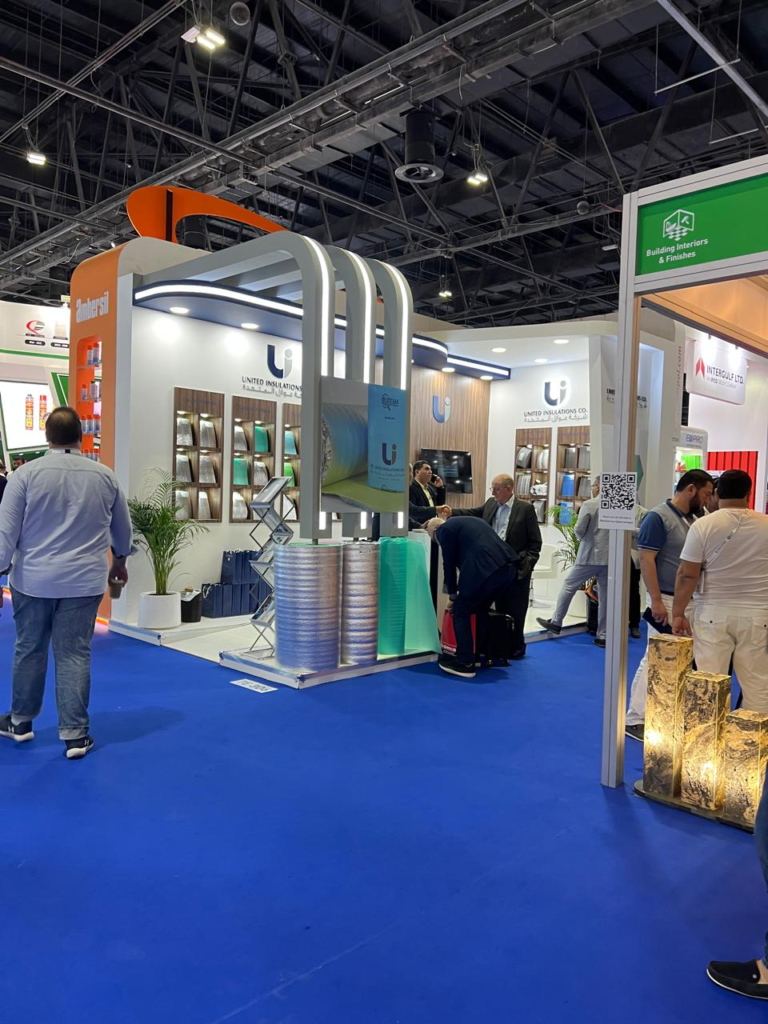
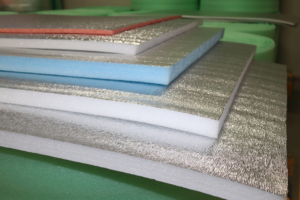
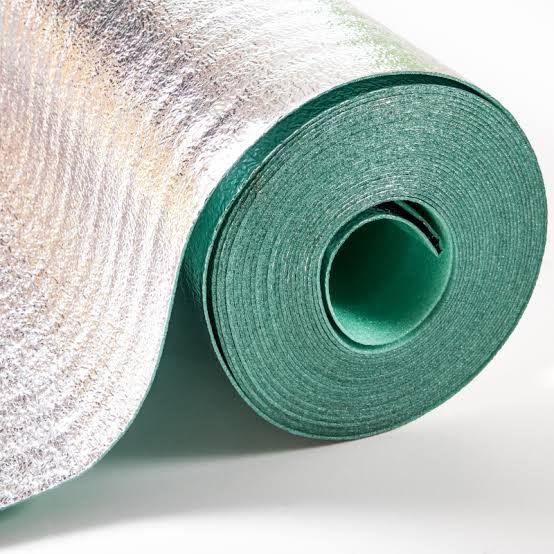
Foam Boards are widely used for thermal insulation of roofs and walls, offering high efficiency in reducing heat transfer and improving energy efficiency.
The company provides integrated insulation solutions for roofs and walls that reduce energy consumption and improve building performance.
The company offers technical consultation to help clients choose the most suitable insulation system.
The cost of insulation is often recovered within 3 to 5 years through energy savings.
Does Thermal Insulation Really Reduce Electricity Bills?
Yes, thermal insulation can significantly reduce electricity consumption, especially in buildings with heavy HVAC use.
When Do Savings Start Appearing?
Savings typically begin to appear within the first months after installation.
Is Insulation Suitable for Existing Buildings?
Yes, insulation can be installed in existing buildings without major reconstruction.
What Is the Best Insulation Type for Commercial Buildings?
The answer depends on the project type, but low-density foam boards are widely used and effective.
Does Insulation Increase Construction Costs?
Insulation may slightly increase initial construction costs but results in long-term savings.
The cost of insulation is often recovered within 3 to 5 years through energy savings.
A well-designed insulation system reduces energy consumption, lowers maintenance costs, and improves building performance.
Because investing in insulation means:
Request a Technical Consultation