In Saudi Arabia, homes face significant challenges due to high summer temperatures and relatively low winter temperatures, leading to increased energy consumption and higher electricity bills. Thermal insulation for homes is the ideal solution to improve indoor comfort and reduce energy loss.
Thermal insulation not only saves energy but also improves living quality, maintains balanced indoor temperatures, and protects buildings from moisture and damage caused by heat or cold
High summer temperatures lead to increased use of air conditioning, significantly raising electricity bills. Conversely, cold winter conditions increase heating consumption.
Thermal insulation maintains an optimal indoor temperature throughout the year, reducing reliance on heating and cooling devices and creating a healthy and comfortable living environment.
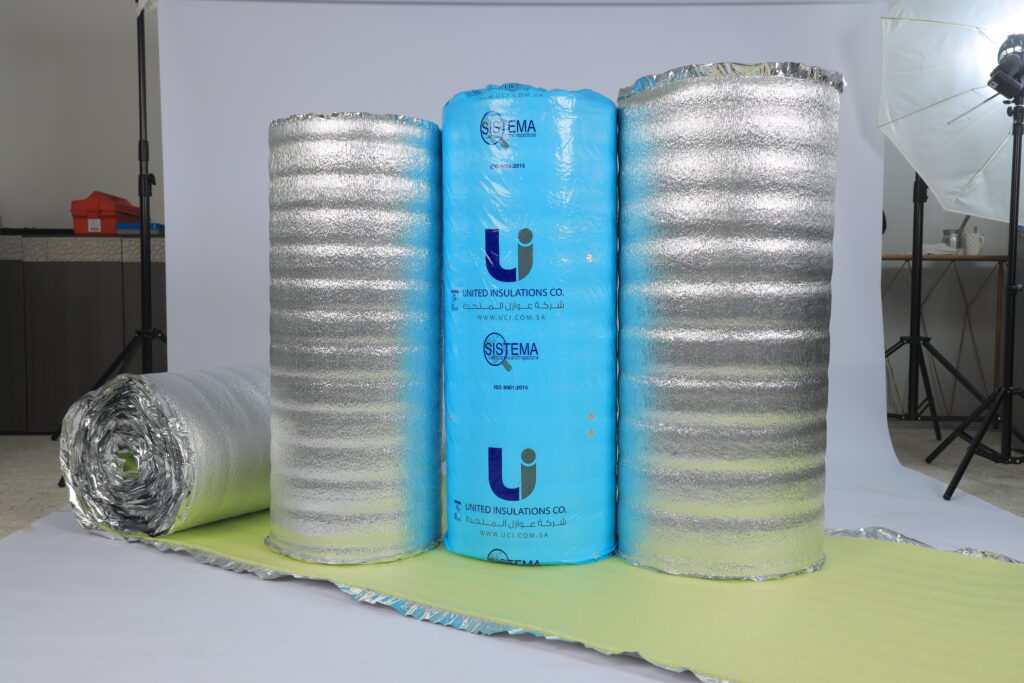
Standalone villas often feature large spaces, high ceilings, and big windows, making them more prone to energy loss. Therefore, villa insulation requires advanced techniques like foam boards or multi-layer insulation systems to ensure full coverage and minimize heat loss.
Apartments are often surrounded by other units, reducing heat loss through shared walls. However, apartments still require effective roof and ceiling insulation, especially on upper floors, to maintain comfortable temperatures and reduce electricity consumption.
Roofs and ceilings are the main sources of heat loss in buildings. Using rigid foam boards or multi-layer insulation systems can protect homes from extreme summer heat and winter cold.
Thermal insulation for external walls protects buildings from climatic impacts and prevents moisture condensation, preserving the structure and extending its lifespan.
loors are susceptible to moisture and cold penetration, especially on lower floors. Using foam layers under floors ensures effective thermal insulation and improves indoor comfort.
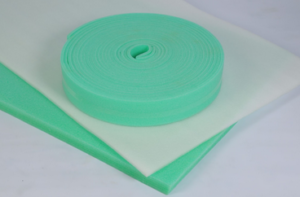
United Insulation Company offers high-quality low-density polyethylene (LDPE) foam, providing excellent thermal insulation, moisture resistance, and long lifespan, suitable for roofs, walls, and floors.
Multi-layer insulation systems consist of several insulating layers working together to prevent heat loss, reduce energy consumption, and improve the home’s sound insulation.
Traditional materials like mineral wool or polyester may be less effective under harsh climatic conditions, whereas LDPE foam offers superior performance in thermal efficiency, durability, and low maintenance.

Selecting an insulation material that doesn’t match the building type or local climate reduces effectiveness and increases long-term costs.
Using insulation foam or materials with incorrect thickness or density can lead to poor thermal performance, moisture accumulation, and reduced material lifespan.
We provide tailored thermal insulation solutions for every type of home, whether standalone villas or apartments, using high-quality materials like LDPE foam to maximize comfort and reduce energy consumption.
Before starting any insulation project, our team assesses the building and identifies the best materials and systems, ensuring high-quality implementation and maximum thermal efficiency.
Is thermal insulation suitable for existing homes?
Yes, thermal insulation can be installed in existing homes, including roofs, walls, or floors, with proper selection of materials and required thickness
What is the best thermal insulation for villas in Saudi Arabia?
LDPE polyethylene foam and multi-layer insulation systems are among the best solutions for villas due to high efficiency, long lifespan, and moisture resistance
Does insulation really reduce electricity consumption?
Yes, thermal insulation reduces heat and cold loss, lowering reliance on AC and heating units and reducing electricity bills.
What is the difference between apartment and villa insulation?
Villa insulation requires full coverage for large roofs, walls, and wide windows, whereas apartment insulation focuses on roofs and external walls, especially on upper floors.
Thermal insulation for homes is not just a choice for comfort but a long-term investment to reduce energy consumption, protect the building, and enhance living quality. Choosing the right materials and professional installation ensures cost savings, environmental protection, and unmatched indoor comfort.