Table of Contents
ToggleConcrete roofs are a major source of heat loss in buildings, especially in hot climates like Saudi Arabia. Concrete quickly absorbs sunlight, leading to increased indoor temperatures and higher electricity consumption for cooling. Therefore, thermal insulation for concrete roofs is a critical step to ensure occupant comfort and reduce operational costs.
Exposed roofs are directly exposed to sunlight, leading to increased surface temperatures both inside and outside. This effect causes:
By using thermal insulation, heat transfer from the exterior surface to the interior can be reduced by up to 60-70%. This leads to:
Exposed roofs require strong insulation layers to withstand high heat, especially in residential buildings, hotels, and commercial centers.
Internal roofs require internal insulation to maintain moderate temperatures without affecting the final finishes or interior spaces.
Insulation is applied above the concrete roof before the final finishes, featuring:
Insulation layers are installed below the ceiling inside the building, suitable for:
| Building Type | Suitable Method | Advantages |
|---|---|---|
| Residential buildings & new hotels | External insulation | Protects concrete, improves energy efficiency |
| Existing buildings | Internal insulation | Easy installation without disruption |
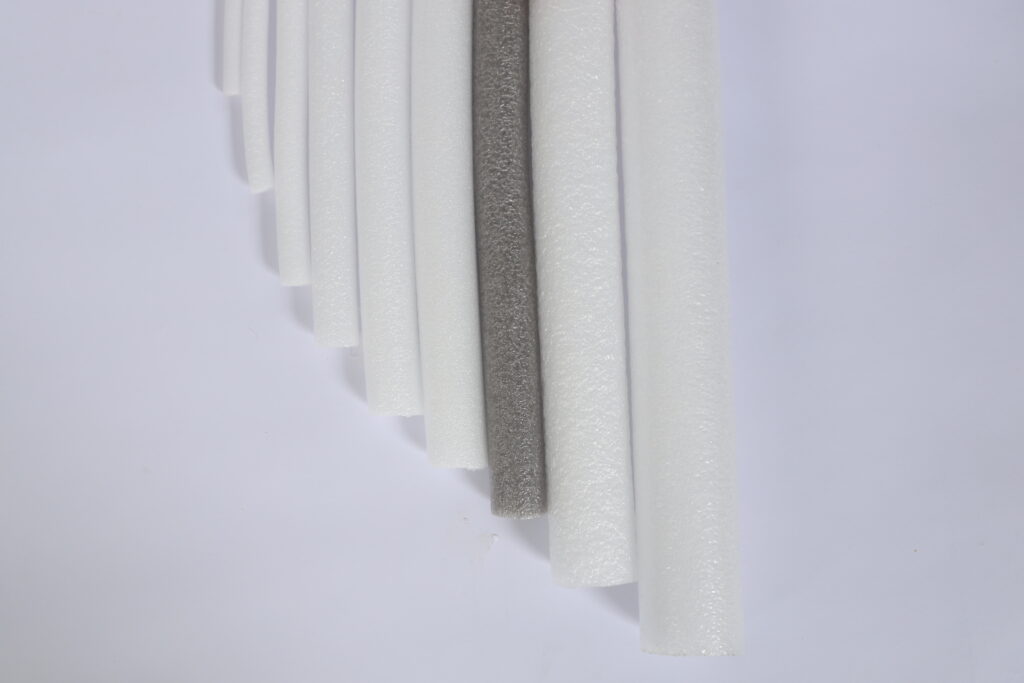
United Insulation Company (UCI) offers high-quality LDPE foam:
Combines multiple materials to provide thermal and acoustic insulation, reducing heat loss and increasing building efficiency.
Materials like rock wool or polystyrene offer limited protection in hot climates and require ongoing maintenance.
Insufficient thickness reduces insulation effectiveness, while excessive thickness increases cost without benefit.
Failure to cover and protect insulation from direct water and sunlight exposure leads to rapid performance degradation.
UCI provides high-quality LDPE foam capable of withstanding extreme heat and humidity.
Our expert team provides tailored consultations to ensure the best insulation system is selected for each building type and requirement.
External LDPE foam insulation is best to withstand direct heat and improve energy efficiency.
Yes, internal foam insulation can reduce heat without affecting the finishes.
It varies by building type and climate, typically 3–5 cm for LDPE foam.
Yes, it can reduce electricity consumption by up to 60% depending on building type and installation method.
Thermal insulation for concrete roofs is not just a luxury; it is a long-term investment that reduces energy consumption and enhances occupant comfort. With United Insulation Company (UCI) solutions, you can ensure:
 Thermal Insulation in Buildings – Types and Best Materials Used in Saudi Arabia
 A Comprehensive Guide to Choosing the Right Insulation Materials for Your Project
 Thermal Insulation for Warehouses – Practical Solutions to Reduce Energy Loss
 Thermal Insulation for Homes – A Guide for Villa and Apartment Owners
United Insulations Company (UCI) is a leading Saudi company specialized in manufacturing and supplying thermal and acoustic insulation solutions, as well as low-density foam products. The company is committed to the highest standards of quality and sustainability to support construction and industrial projects within the Kingdom and beyond.
Third Industrial City, P.O. Box: 22766 Jeddah-6838, Saudi Arabia
Sunday - Thursday 8AM : 5PM