Automotive spare parts require packaging solutions that match the characteristics of each component, particularly when surfaces are painted, chrome-plated, polished, or prone to scratching.
Foam Bags for automotive spare parts provide a practical packaging solution that helps reduce direct contact and friction during handling, transportation, and storage, helping spare parts arrive in better condition and with a more professional presentation.
Introduction – Why Do Automotive Spare Parts Need Specialized Packaging?
Automotive spare parts vary significantly in shape, weight, size, surface finish, and sensitivity. Some components are heavy and metallic, while others are small, precision-made, painted, chrome-plated, or electronically sensitive. For this reason, choosing any generic packaging material may not be enough. The packaging should provide an appropriate protective layer that reduces surface friction and handling damage while also making packing, sorting, and storage easier.
Some Spare Parts Are Highly Sensitive to Scratches and Corrosion
Scratches are among the most common issues that can reduce the commercial value of certain automotive spare parts, especially visible components such as accessories, painted parts, and chrome-plated pieces. A minor scratch may not affect the mechanical function of a component, but it can significantly affect its appearance and customer acceptance. Certain metal components may also require additional care during storage to help preserve their condition.
Different Shapes and Sizes Across Spare Parts
Automotive spare parts range from very small components to larger assemblies, with shapes that may be flat, rounded, irregular, or highly detailed. This variety makes a one-size-fits-all packaging approach impractical in many applications. Using
Foam Bags for automotive spare parts in suitable sizes allows packaging to be matched more closely to the dimensions of each component, helping reduce excessive movement inside the package and providing more appropriate protection during handling.
The Main Risks of Improper Spare Parts Packaging
A quick or improvised packaging method may appear efficient when processing large quantities of spare parts, but it can create additional costs later. A component that arrives scratched or damaged may require repackaging, replacement, or return, affecting both operational costs and customer experience.
Scratches and Damage to Painted or Chrome-Plated Surfaces
Painted and chrome-plated surfaces require particular care because their appearance is often an important part of the product’s value. When such parts come into direct contact with other components or packaging materials, repeated friction can result in scratches or surface marks. A suitable foam bag creates a flexible protective barrier around the component, helping reduce direct contact and friction during handling.
Metal Components Rubbing Against Each Other During Transportation
When multiple metal components are placed together without suitable separation or protective layers, movement during transportation can cause the parts to come into contact with one another. This friction may result in surface marks or scratches, particularly on components that are displayed directly to customers. Separating individual parts with suitable foam packaging can therefore be a simple but valuable quality-control step.
Difficulty Tracking Small Parts in Unorganized Bulk Packaging
Improper packaging can create inventory-management problems in addition to protection issues. Small components may become mixed together or difficult to identify, increasing the time required to locate and prepare orders. Using separate bags for individual parts or defined product groups can improve organization and make sorting and order fulfillment easier, particularly for distributors managing large numbers of SKUs.
How Do Foam Bags Protect Different Automotive Spare Parts?
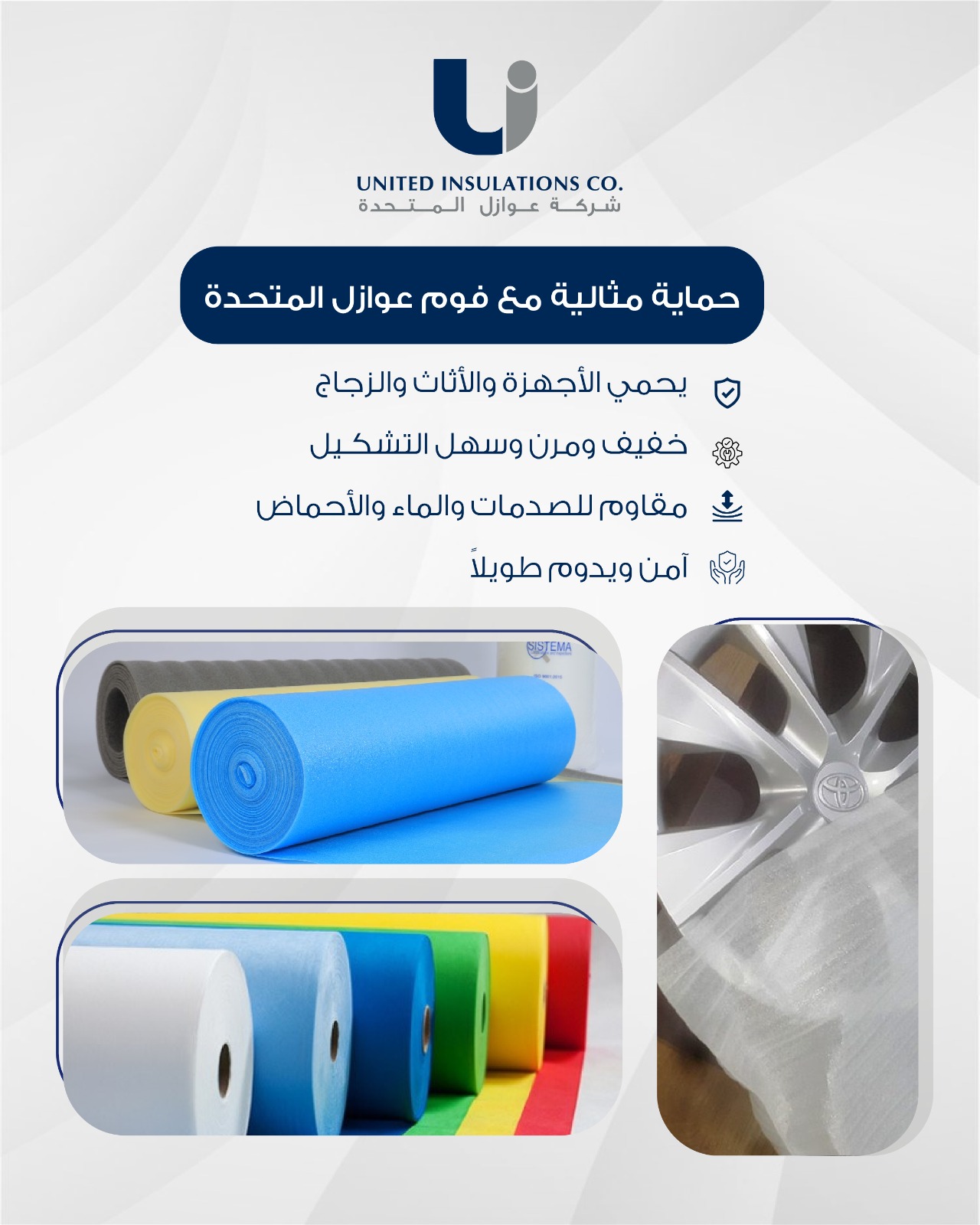 Foam Bags for automotive spare parts
 act as a flexible protective layer around the component, helping minimize direct contact and friction. Their value lies in providing a practical packaging option for parts that vary in shape, size, and surface sensitivity. Depending on the product and logistics requirements, foam bags can also be used alongside other packaging solutions to create a more complete protection system during transportation, storage, and display.
A Flexible Layer That Conforms to Irregular Shapes
Some spare parts feature irregular shapes, multiple edges, or detailed surfaces, making rigid packaging less flexible. Foam provides a soft protective layer that can adapt more easily to the general shape of a component compared with certain conventional packaging materials. This can be particularly useful for parts with exposed surfaces or delicate details that need to be protected from unnecessary friction during handling.
Reducing Direct Contact Between Metal Components
When metal components move inside a package, contact points can become potential sources of scratching. Foam bags can serve as a protective separation layer that helps limit contact between the component, other parts, and the packaging surface. This becomes particularly important during shipping, where products may experience repeated handling, movement, loading, and unloading.
Additional Protection During Long-Term Warehouse Storage
Some spare parts may remain in warehouses for extended periods before being ordered. Proper packaging helps reduce handling-related friction during inventory movement and rearrangement. A clear and organized packaging system can also help warehouse teams handle components more efficiently and reduce the need to repackage products before shipment.
Which Automotive Spare Parts Benefit Most from Foam Packaging?
There is no single packaging rule for every automotive component. However, certain categories can benefit particularly well from foam packaging because of their surface sensitivity, precision, or visual value. These include finished-surface components, electronic parts, small precision components, and selected premium or aftermarket automotive accessories.
Painted and Chrome-Plated Components
This category includes accessories and components where the external finish is an important part of the product’s value, such as certain hooks, decorative accessories, and trim components. Foam packaging helps reduce friction between the component and surrounding surfaces, supporting better preservation of the product’s appearance during transportation and storage.
Electronic and Sensitive Components
Modern vehicles contain an increasing number of electronic components, including control units, sensors, and other precision parts. These products require packaging that reflects their specific characteristics and the manufacturer’s requirements. Foam can serve as a physical protective layer that helps reduce friction and surface damage during handling, while the overall packaging solution should be selected according to the technical requirements of each component.
Precision Engine Components
Engine components cover a wide range of sizes, shapes, and weights, and some require particular care to protect finished or precision surfaces during handling and storage. Suitable foam bags can help reduce direct friction, particularly when individual components are packaged separately before being placed into outer shipping containers.
Premium and Aftermarket Automotive Accessories
Premium and aftermarket automotive accessories often require a high level of attention to detail because customers evaluate these products based on both performance and appearance. For this reason, product quality should extend beyond manufacturing to include packaging. Clean, organized packaging creates a more professional impression when the customer opens the product.
How Does Foam Packaging Benefit Spare Parts Distributors and Showrooms?
For distributors and showrooms, packaging is more than a way to protect products during transportation. It is part of the value chain that begins in the warehouse and ends with the customer. When a component arrives in good condition and is easy to store, display, and deliver, packaging can contribute to smoother operations, a better customer experience, and a stronger brand image.
Reducing Returns Related to Scratches
The cost of a return can be significantly higher than the cost of the packaging material itself, particularly when return shipping, inspection, restocking, and customer service are involved. By reducing the likelihood of friction and surface scratches,
Foam Bags for automotive spare parts can help address one of the potential causes of surface damage during handling and transportation.
Improving the Product Presentation When the Customer Opens It
The unboxing experience has become an important part of the customer’s overall impression. When a customer receives a clean, well-organized component protected by suitable packaging, it reflects attention to detail throughout the supply process. This is particularly valuable for showroom products, higher-value components, and accessories where appearance plays an important role.
Easier Sorting and Storage in the Warehouse
Using appropriately sized foam bags for different product categories can make it easier for warehouse teams to identify, sort, and prepare components for orders. A clear size system—such as small, medium, and large—can also be linked to specific product categories to streamline the packaging process.
How to Choose the Right Foam Bags for Automotive Spare Parts
Choosing
Foam Bags for automotive spare parts should not be based on size alone. Weight, sensitivity, shape, transportation conditions, storage duration, and surface characteristics should all be considered. Ideally, packaging specifications should be determined after reviewing actual product samples rather than relying solely on theoretical dimensions.
Selecting Thickness Based on Part Weight and Sensitivity
Packaging requirements vary according to the weight and surface characteristics of the part. A lightweight component that is highly sensitive to scratching may require a different solution from a heavier part with metal edges or detailed surfaces. It is therefore important to assess the application before determining the appropriate thickness, creating a balance between protection and ease of packing.
Choosing the Right Size: Small, Medium, and Large
The bag should be appropriately sized for the component, providing enough room for easy insertion and removal without creating excessive empty space that allows unnecessary movement. Manufacturers and distributors can establish a standard range of sizes for their most frequently sold components while using customized dimensions for products with unusual shapes or measurements.
Material Cleanliness to Avoid Marks on Finished Surfaces
Packaging material cleanliness is an important consideration when working with finished surfaces. The purpose of packaging is to protect the product, not introduce marks or contamination. Buyers should therefore confirm that the foam material is suitable for the intended surface and, where appropriate, conduct sample testing before placing large-volume orders.
Common Mistakes When Packaging Automotive Spare Parts with Foam
Even when the right packaging material is selected, improper use can reduce its effectiveness. Establishing clear packaging procedures for warehouse and packing teams is therefore essential.
Using an Oversized Bag
When the bag is significantly larger than the component, the part may move inside it during transportation. A larger size does not necessarily mean better protection. The preferred approach is to select a size that provides sufficient room for packing while limiting unnecessary movement.
Placing Multiple Sensitive Parts in One Bag
Combining several sensitive components in one bag may increase contact points, particularly when metal parts move during transportation. Sensitive components should ideally be separated or packaged using a system designed to minimize direct contact.
Ignoring the Surface Finish
A painted or chrome-plated component should not necessarily be packaged in the same way as an unfinished metal part. Different surface finishes may require different protection levels. The finished product, its appearance, and customer expectations should therefore be considered before finalizing packaging specifications.
Practical Applications in the Saudi Automotive Spare Parts Market
Saudi Arabia’s automotive spare parts market includes a wide range of manufacturers, suppliers, distributors, showrooms, repair workshops, and service centers. As storage and shipping operations grow, packaging solutions that help reduce damage and improve inventory organization become increasingly valuable for businesses handling large volumes of automotive components.
Spare Parts Manufacturers and Assemblers
Manufacturers and assemblers require packaging solutions that can be implemented consistently across production and packing operations at scale. Foam bags can be integrated into internal packaging processes before components are placed into outer shipping containers.
Showrooms and Distributors of Genuine and Aftermarket Spare Parts
For showrooms and distributors, packaging quality directly influences how products are presented and delivered. This becomes particularly important when components are visible to customers or feature premium finishes. Individual packaging helps organize and protect products while making order preparation and customer delivery more efficient.
Large Automotive Workshops and Service Centers
Large automotive workshops and service centers handle a wide variety of components every day, making efficient sorting, storage, and protection important operational factors. Foam bags can be used for selected components during movement from storage areas to service bays or while parts are temporarily stored before installation.
United Insulation’s Foam Packaging Solutions for the Automotive Spare Parts Sector
United Insulation Company (UCI) provides foam product solutions designed for industries that require protection during handling, storage, and transportation. The company specializes in manufacturing
Low-Density Polyethylene Foam (LDPE Foam) products while maintaining a strong focus on quality and diverse customer requirements.
Foam Bags in Multiple Sizes to Match Different Spare Parts
Automotive manufacturers and distributors have different requirements in terms of sizes, shapes, and volumes. Packaging flexibility is therefore an important consideration when selecting a solution.
Foam Bags can be used for different categories of spare parts, with the appropriate size determined according to component dimensions, application, and customer requirements.
Technical Support for Manufacturers and Distributors
Choosing the right packaging does not always start with the product name; it starts with understanding the application. Important factors include the component type, dimensions, weight, surface finish, storage conditions, and shipping method. This application-based approach helps businesses identify a more suitable packaging specification instead of applying one generic solution to every product.
Bulk Supply for Automotive Spare Parts Showrooms and Distributors
Showrooms and distributors need reliable supply, especially when foam bags are integrated into daily packaging operations. Planning required quantities and sizes can help businesses better organize procurement, inventory, and packing processes according to their operational volume and product range.
Why Choose United Insulation for Foam Bags?
United Insulation combines industrial experience with a strong focus on foam product quality and application requirements. The company aims to provide practical foam solutions that align with different customer needs. The company’s
ISO 9001 certification also reflects the implementation of a quality management system focused on process control, continuous improvement, and meeting customer requirements. This approach supports United Insulation’s position as a Saudi manufacturer specializing in foam products and committed to providing dependable quality solutions for multiple industries, including packaging and protective applications.
Foam Packaging Products That Can Complement Foam Bags
Foam bags are not necessarily the only packaging solution for every application. In certain shipping and storage scenarios, combining different foam products can provide more comprehensive protection for both the component and the package. The appropriate combination can be selected based on the product characteristics, shipping route, and storage requirements.
Foam Bags
Foam Bags
Foam Bags provide a direct protective layer around the component and are particularly useful for products that require reduced friction and surface-scratch protection.
Foam Corner
Foam Corner
Foam Corner can provide additional protection for product corners and edges, particularly when a component is placed inside an outer shipping package.
Packing Sheet
Packing Sheet
Packing Sheet can create a separation layer between or around products and can be useful when multiple components are packed inside the same outer container.
Mini Foam Rolls
Mini Foam Rolls
Mini Foam Rolls offer greater flexibility when packaging products with different sizes and shapes, particularly when packing teams need to cut the required amount for each component.
How to Start Selecting the Right Packaging Solution for Your Spare Parts
If you are an automotive spare parts manufacturer, distributor, or showroom, it is better to understand your product requirements before selecting bag sizes. A practical selection process can follow these steps:
Conclusion – A Scratch-Free Spare Part Means a More Satisfied Customer and a Stronger Reputation
Packaging may seem like a small part of the spare parts supply chain, but it can directly affect the condition of a component when it reaches the customer. A clean, scratch-free product reflects quality and attention to detail.
Foam Bags for automotive spare parts offer a practical way to reduce friction and protect a wide range of components during handling, storage, and shipping, with sizes that can be selected according to the characteristics of each product. In a competitive market where manufacturers, distributors, and showrooms compete on quality and service, effective packaging can become an additional factor that supports operational efficiency, reduces avoidable issues, and improves the customer experience.
Order Foam Bags for Your Automotive Spare Parts Today
If you are looking for a practical solution to package automotive spare parts and help protect them from scratches and friction during transportation and storage, contact
United Insulation to discuss your requirements and identify suitable sizes and specifications for your product range.
Contact us to determine the right sizes for your product range. Request a bulk quotation for distributors and automotive spare parts showrooms. Frequently Asked Questions
−Do Foam Bags Prevent Scratches on Painted and Chrome-Plated Parts?
Yes. Foam bags help reduce direct contact and friction between the component and surrounding surfaces, which can help reduce the likelihood of surface scratches during handling, storage, and transportation. The appropriate foam type and bag size should be selected according to the component, with sample testing where necessary.
−Are Foam Bags Suitable for Sensitive Electronic Components in Modern Vehicles?
Foam can serve as a physical protective layer for many electronic components during handling. However, the final packaging system should be selected according to the component’s technical requirements. If a component requires additional properties such as electrostatic protection, a packaging solution specifically designed for that requirement should be considered.
−How Do I Choose the Right Size for My Spare Parts Range?
Start by measuring your components and grouping them according to similar sizes and shapes. You can then establish a suitable range of bag sizes instead of using one size for every product. Sample testing is recommended before committing to large quantities.
−Can Foam Bags Reduce Returns Caused by Shipping Damage?
Foam bags can help reduce certain types of surface damage, such as friction and scratching, when the packaging is properly matched to the component. However, the overall result depends on the complete packaging system, handling practices, and transportation conditions.
−Does United Insulation Supply Foam Bags in Bulk to Spare Parts Distributors?
Manufacturers, distributors, and showrooms can contact United Insulation to discuss their supply requirements, including sizes, quantities, and intended applications, and identify a suitable solution based on their products.
−What Is the Difference Between Foam Bags and Traditional Packaging Materials?
Foam bags provide a flexible layer around the component that helps reduce direct friction. Whether they are preferable to other packaging materials depends on the product, required protection level, storage conditions, and transportation method.
−Can Different Foam Bag Sizes Be Used in the Same Warehouse?
Yes. In fact, maintaining a range of sizes can be more practical for warehouses handling diverse spare parts. Each size can be assigned to a specific product category to simplify packing and sorting.
−Are Foam Bags Suitable for Aftermarket Spare Parts?
Yes. They can be suitable for many aftermarket products, particularly accessories and components that are scratch-sensitive or have a high visual value. Specifications should be determined according to the component’s dimensions and surface characteristics.
−How Can a Manufacturer Determine the Best Foam Bag Specifications?
The best approach is to start with the actual application: component type, dimensions, weight, sensitivity, storage conditions, and shipping method. Samples should then be tested before final specifications are approved. A foam supplier can also help recommend a solution based on the application requirements.

 Electronic Device Foam Packaging: Protection Against Shipping Damage
  Foam Corner for Protecting Mirrors, Artwork, and Picture Frames During Shipping and Storage
  Foam Bags for Medical Devices: Reliable Protection for Sensitive Medical Equipment During Transport and Storage
 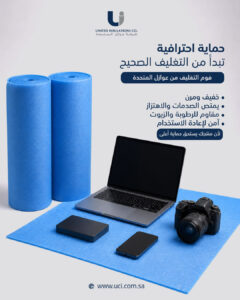 Protecting High-Value Products During Domestic and International Shipping