In Saudi Arabia, high temperatures are more than a climatic challenge; they directly affect building design, energy consumption, and indoor comfort. Because buildings can be exposed to intense heat for long periods of the year, significant amounts of heat may transfer through roofs, walls, and other parts of the building envelope, increasing the load on air-conditioning systems and contributing to higher electricity consumption. This is where
thermal insulation becomes an essential part of building-envelope design. Selecting the right insulation material and installing it correctly can help reduce heat transfer between the indoor and outdoor environments and improve the building’s thermal performance. This guide explains the
ويستعرض هذا الدليل أنواع العزل الحراري، وأشهر مواد العزل المستخدمة، والفرق بينها، وكيفية اختيار المادة والسماكة المناسبة وفق طبيعة المبنى والمناخ والاستخدام. based on the building type, climate, and intended use.
لماذا تحتاج المباني في السعودية إلى العزل الحراري؟
Buildings in Saudi Arabia require
thermal insulation because the hot climate increases the amount of heat transferred into indoor spaces, particularly through roofs and walls exposed to solar radiation. The greater the heat gain, the harder air-conditioning systems have to work to maintain comfortable indoor temperatures. The Saudi Building Code addresses the importance of energy-efficient building-envelope design, including adequate thermal resistance and reduced air leakage, through energy-conservation requirements associated with
SBC 601 and SBC 602.
كيف تنتقل الحرارة إلى داخل المبنى؟
يمكن أن تنتقل الحرارة عبر عدة مسارات، وليس من خلال الجدران فقط. ومن أهم نقاط انتقال الحرارة:
- الأسطح والأسقف المعرضة لأشعة الشمس.
- الجدران الخارجية.
- النوافذ والأبواب.
- الفواصل والمناطق التي تحتوي على جسور حرارية.
- مناطق التقاء المواد المختلفة في غلاف المبنى.
- الفراغات أو الفتحات التي تسمح بتسرب الهواء.
For this reason,
roof and wall insulation لذلك، فإن عزل الأسطح والجدران يجب أن يكون جزءًا من منظومة متكاملة، وليس معالجة منفصلة لجزء واحد من المبنى.
ما علاقة العزل باستهلاك الكهرباء؟
Thermal insulation does not generate electricity or eliminate the need for air conditioning. Instead, it helps reduce heat transfer through the building envelope. When the building’s thermal load is reduced, cooling systems may require less energy or operate for shorter periods under comparable conditions. Therefore, insulation performance is closely connected to the overall building design, including orientation, windows, shading, HVAC systems, and installation quality.
أنواع العزل الحراري في المباني
Thermal insulation types can be classified in several ways, including the location of the insulation within the building system, the material used, and the part of the building being protected. In practical terms, insulation can be divided into internal and external insulation, roof and wall insulation, as well as specialized solutions for industrial buildings, metal structures, and other construction applications.
العزل الداخلي والخارجي
Internal and external insulation يختلف العزل الداخلي والخارجي في موقع تركيب المادة العازلة وطريقة تعاملها مع غلاف المبنى. ولا يمكن القول إن أحدهما مناسب لجميع المشاريع، لأن الاختيار يعتمد على التصميم الإنشائي، والمناخ، والمساحة المتاحة، وطريقة التنفيذ.
العزل الخارجي
External insulation is installed on the outside of building elements according to the approved structural and façade system. One of its key benefits is its ability to reduce heat transfer through walls and help maintain more stable indoor temperatures. It can be suitable for new construction and, in some cases, renovation projects, depending on the building design and façade system.
العزل الداخلي
Internal insulation is installed on the interior side of the building envelope and may be useful in certain renovation projects where modifying the exterior façade is difficult or impractical. However, moisture, condensation, interior space, and ventilation must be carefully evaluated because insulation performance depends on the complete system, not simply on the material itself.
عزل الأسقف والجدران
Roofs and exterior walls are among the most important components of the building envelope to consider when designing a
thermal insulation system. Roofs can be particularly significant in buildings exposed to direct solar radiation for extended periods. Therefore, insulation selection should not be based only on the material name. The application location, temperature exposure, moisture conditions, and project requirements should all be considered.
الأسقف
Roofs are directly exposed to solar radiation and can therefore represent a significant source of heat gain. The appropriate insulation system depends on the roof type, existing layers, waterproofing system, finishing materials, and project requirements. It is also important to ensure compatibility between thermal insulation and the other roof layers, particularly in systems where thermal and waterproofing solutions are integrated.
الجدران
Wall insulation helps reduce heat transfer between the exterior and interior of a building. The appropriate solution varies according to wall construction, thickness, structural layers, and finishing systems. In modern construction, wall thermal performance should be determined as part of the overall building-envelope design rather than by selecting an insulation material in isolation.
مقارنة بين أشهر مواد العزل الحراري
There is no single material that can be called the
best thermal insulation material for every building. Performance requirements vary according to the application, thermal resistance, moisture exposure, mechanical loads, available space, installation method, and safety requirements. Construction projects use a range of materials, including different types of foam, polystyrene, polyurethane, mineral wool, and others. SASO has technical requirements and standards covering several insulation and building-cladding materials, including polyurethane, polystyrene, and rock wool products.
| المادة | Common Applications | Key Factors to Evaluate |
| Polyethylene foam | Insulation, protection, and selected industrial/construction applications | Thickness, density, thermal conductivity, moisture |
| EPS | Walls, roofs, and selected building systems | Density, moisture resistance, system design |
| XPS | Roofs and areas requiring greater moisture resistance | Water absorption, compressive strength, thickness |
| البولي يوريثان | High-performance thermal insulation applications | Application method, density, protection |
| Rock wool | Thermal/acoustic insulation and selected construction systems | Density, moisture, fire performance, installation |
فوم البولي إيثيلين منخفض الكثافة LDPE
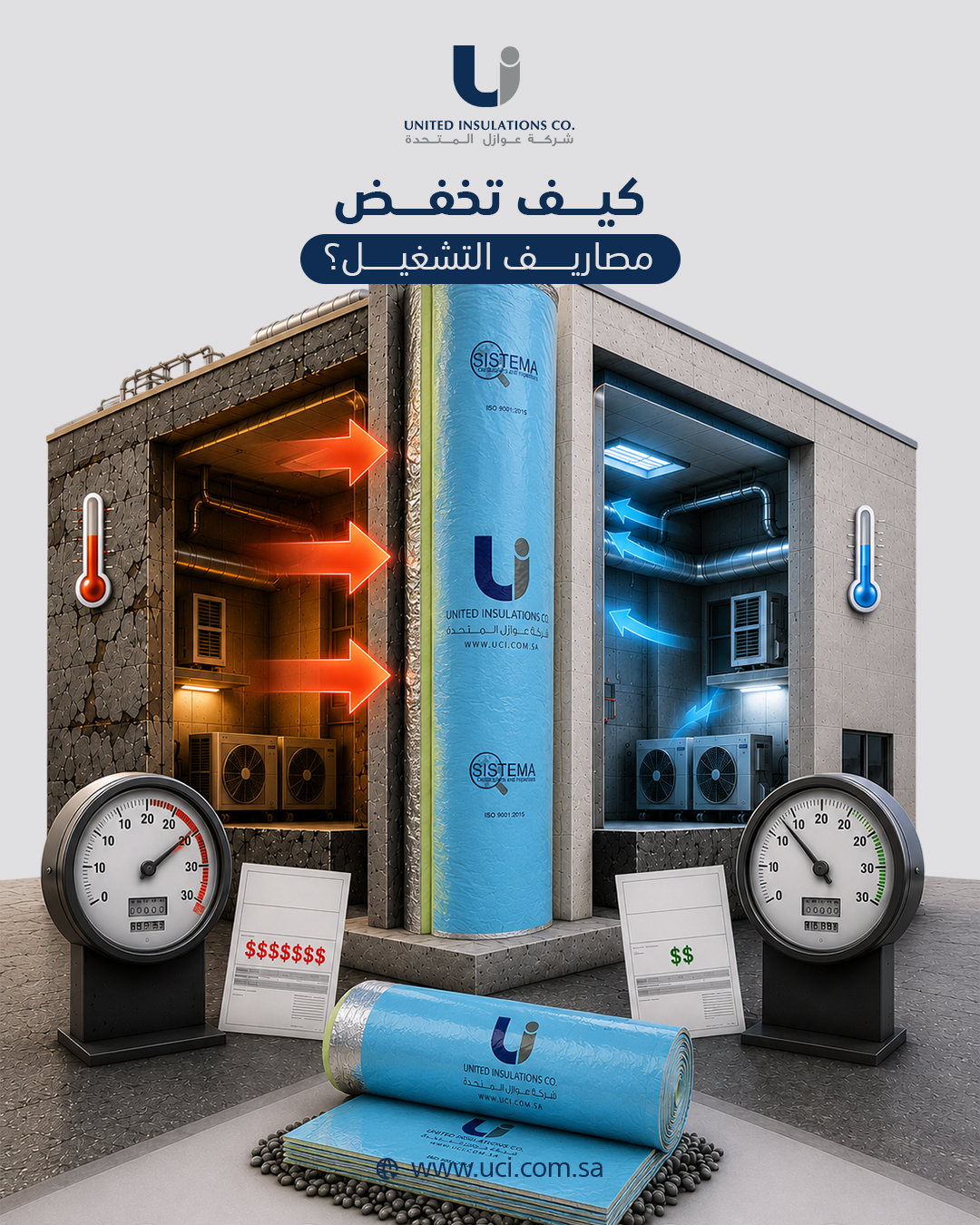 فوم البولي إيثيلين منخفض الكثافة (LDPE Foam)
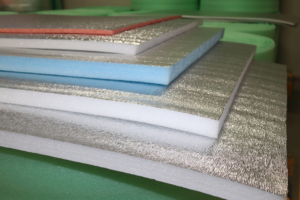
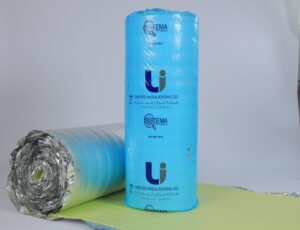
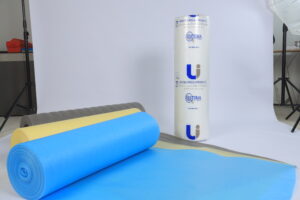
 is used in a variety of insulation and protection applications. Its lightweight and flexible characteristics, together with closed-cell structures in many products, can make it suitable for applications where thermal insulation, protection, and moisture resistance are required together. United Insulation (UCI) manufactures low-density polyethylene foam products as part of its insulation and protection solutions for various industrial and construction applications.
لماذا يُستخدم فوم البولي إيثيلين في العزل؟
The effectiveness of foam insulation depends on its structure and technical properties rather than simply the material name. Closed-cell foam products can provide useful characteristics such as low water absorption, flexibility, low weight, and suitable thermal performance for designed applications. However, thickness, density, and technical specifications should always be selected according to the actual application.
ألواح الفوم والمواد الأخرى
ألواح فوم العزل are widely used in thermal insulation applications, particularly for walls, roofs, floors, and selected construction systems. Their characteristics vary depending on the foam type, density, thickness, and installation method. UCI offers foam boards designed for thermal insulation applications in walls, roofs, and floors, with a focus on reducing energy loss and improving insulation performance.
البوليسترين EPS وXPS
Both
EPS and XPS polystyrene are used in a range of thermal insulation applications. Their structures and properties differ, so the selection should not be based on price alone. Moisture resistance, compressive strength, thickness, installation method, and insulation location are important factors when determining suitability.
البولي يوريثان
Polyurethane is used in applications requiring high thermal performance within specific thickness constraints. It may be suitable for systems where strong insulation performance is required but installation space is limited. However, application method, protection, and compatibility with other system layers are critical factors in determining suitability.
الصوف الصخري
Rock wool is used in thermal and acoustic insulation applications and is also incorporated into systems where fire-performance characteristics are important. The specific product should be selected based on project requirements, density, environmental conditions, and installation method. SASO includes manufactured rock wool insulation products among the insulation materials covered by relevant technical standards.
كيف تختار العزل الحراري المناسب للمبنى؟
اختيار
best thermal insulation material should not start with the question, “Which material is the best?” Instead, ask: “Which material is most suitable for this application?” A material suitable for a residential building may not be the right choice for a warehouse, metal structure, or industrial facility. The project should therefore be evaluated as an integrated system.
1. حدد موقع العزل
Do you need to insulate a roof, wall, floor, pipe, warehouse, or metal structure? Identifying the application area significantly narrows the material options and determines which performance characteristics should receive priority.
2. حدد مستوى الحرارة والرطوبة
في البيئة السعودية، يجب تقييم درجات الحرارة المتوقعة والتعرض لأشعة الشمس والرطوبة والتكاثف. فالمادة التي تحقق أداءً جيدًا في بيئة جافة قد تحتاج إلى مواصفات مختلفة عندما تتعرض للمياه أو الرطوبة المستمرة.
3. قارن التوصيل الحراري والمقاومة الحرارية
Two important technical indicators are
thermal conductivity و
thermal resistance. In general, lower thermal conductivity indicates a material’s ability to limit heat transfer more effectively. However, a proper comparison must also consider thickness, density, operating conditions, and installation method.
4. لا تهمل الرطوبة وامتصاص الماء
Moisture can affect the performance of certain insulation systems, so water absorption, water-vapor transmission, and compatibility with waterproofing systems should be reviewed. Saudi technical regulations for insulation materials address several performance considerations, including moisture, water, safety, and suitability for the intended application.
5. راجع مقاومة الضغط والمتانة
If insulation is installed beneath floors or in areas exposed to loads, compressive strength becomes an important consideration. For industrial applications, additional evaluation may be required for impact resistance, vibration, and operating conditions.
ما العوامل التي تحدد سماكة العزل الحراري؟
There is no single insulation thickness suitable for every building.
Thermal insulation thickness depends on the required thermal performance, material type, installation location, building-envelope characteristics, applicable code requirements, and project conditions. For this reason, thickness should not be selected based solely on a generic recommendation.
أهم العوامل المؤثرة في السماكة
تشمل أهم العوامل:
- نوع مادة العزل.
- معامل التوصيل الحراري.
- المقاومة الحرارية المطلوبة.
- نوع الجدار أو السطح.
- درجة الحرارة الخارجية.
- متطلبات كود البناء.
- الرطوبة وظروف الموقع.
- المساحة المتاحة للتركيب.
- الأحمال الميكانيكية.
- نظام العزل المائي والتشطيبات.
أخطاء شائعة يجب تجنبها عند تنفيذ العزل الحراري
الخطأ الأول: اختيار المادة بناءً على السعر فقط
قد تكون المادة الأقل سعرًا غير مناسبة للتطبيق، وقد يؤدي اختيارها إلى أداء أقل أو صيانة إضافية. المقارنة الصحيحة يجب أن تكون بين الأداء الفني والتكلفة الإجمالية طوال عمر النظام.
الخطأ الثاني: تجاهل المواصفات الفنية
Purchasing insulation without reviewing its technical data can lead to selecting a product that does not meet project conditions. Thermal conductivity, density, thickness, water absorption, compressive strength, and other required properties should be reviewed.
الخطأ الثالث: التركيز على المادة وإهمال التركيب
Even a material with strong technical properties may fail to deliver expected performance if gaps, poor cutting, or installation defects are present. Installation quality is therefore an essential part of overall insulation-system performance.
الخطأ الرابع: عدم دراسة الجسور الحرارية
قد تنتقل الحرارة عبر نقاط محددة في غلاف المبنى رغم وجود العزل في بقية المساحة. ولهذا يجب دراسة نقاط الالتقاء والفواصل والتفاصيل الإنشائية التي يمكن أن تمثل مسارات لانتقال الحرارة.
الخطأ الخامس: تجاهل التوافق بين طبقات النظام
Thermal insulation is not always a standalone layer. It may form part of a system that includes waterproofing, protection layers, finishes, and other components. Material compatibility should therefore be verified before installation.
كيف تختار حل العزل حسب نوع المبنى؟
| نوع المبنى | Main Considerations |
| المباني السكنية | Roofs, walls, windows, indoor comfort |
| المباني التجارية | Energy efficiency, operation, thermal loads |
| المستودعات | Roofs, walls, ventilation, condensation |
| Metal structures | Roofs, metal walls, moisture, condensation |
| الفنادق | Temperature, moisture, durability, operating conditions |
| Construction projects | Layer compatibility, loads, code requirements |
العزل الحراري للمباني الصناعية والهناجر
Warehouses, metal structures, and industrial buildings require particular attention because metal surfaces can respond rapidly to external temperature changes and solar exposure. One specialized solution is
hanger and metal-structure insulation, offered by UCI using polyethylene foam for applications including warehouses, hangars, and metal buildings, with properties related to thermal insulation, moisture resistance, and condensation control. You can explore the specialized solution through
عازل الهناجر.
متى تكون ألواح الفوم خيارًا مناسبًا؟
ألواح فوم العزل can be suitable when a project requires a lightweight and manageable material for a designed wall, roof, or floor insulation system. However, board selection should not be based on appearance or thickness alone. Technical properties such as thermal conductivity, density, moisture resistance, compressive strength, and installation method should be reviewed. UCI offers foam boards for wall, roof, and floor insulation applications. You can explore
ألواح فوم العزل الحراري for more information about applications and characteristics.
لماذا لا يكفي اختيار مادة العزل وحدها؟
A common mistake is treating thermal insulation as a standalone product when actual performance depends on the complete system. A building may contain high-quality insulation, but gaps, thermal bridges, installation defects, or incompatible layers can reduce overall performance. Insulation should therefore be considered an
engineering system that begins with design and continues through installation and inspection.
الجودة والمعايير عند اختيار مواد العزل في السعودية
Selecting insulation materials in the Saudi market should take relevant technical and regulatory requirements into account. SASO’s Technical Regulation for Building Materials – Part 2 covers insulation and building-cladding materials and establishes requirements related to intended use, safety, and performance. The regulation addresses considerations including fire safety, health and environmental aspects, acoustic protection, energy conservation, and thermal insulation.
كيف تبدأ اختيار العزل الحراري لمشروعك؟
إذا كنت مالك مشروع أو مطورًا أو مقاولًا أو مهندسًا، فابدأ عملية الاختيار بهذه الأسئلة:
- ما الجزء الذي يحتاج إلى العزل؟
- ما درجة الحرارة والرطوبة المتوقعة؟
- هل يوجد تعرض مباشر للشمس؟
- ما قيمة المقاومة الحرارية المطلوبة؟
- ما السماكة المتاحة؟
- هل توجد أحمال أو ضغوط على مادة العزل؟
- هل توجد متطلبات خاصة للحريق أو الصوت؟
- هل المادة متوافقة مع طبقات النظام الأخرى؟
- هل تتوافق مع المواصفات والكود المعتمد للمشروع؟
- هل توجد بيانات فنية واختبارات واضحة للمنتج؟
دور عوازل المتحدة في حلول العزل الحراري
United Insulation (UCI) provides insulation and protection solutions based on low-density polyethylene foam, alongside specialized products for industrial and construction applications. Its product portfolio includes solutions such as foam boards, hanger insulation, protection layers, and other products designed for different applications. The most important step when selecting any insulation product is to define the application and project requirements first, then select the appropriate specifications based on technical data. You can
explore UCI’s insulation and protection products and review the available solutions for different project requirements.
الخلاصة: ما أفضل مادة للعزل الحراري في السعودية؟
There is no single material that can be considered the
best thermal insulation solution for every building in Saudi Arabia. The right choice is the material that matches the project type, insulation location, climate conditions, required performance, available thickness, code requirements, and installation method. In the Saudi climate, effective insulation begins with understanding the building’s heat-transfer paths and designing an integrated building envelope that considers roofs, walls, windows, joints, and thermal-bridge areas. Material selection should then be based on clear technical data rather than price or brand name alone. If you are designing or constructing a project and need to determine the
right thermal insulation material, evaluating the application and operating conditions with a specialized supplier can help you identify a more suitable solution.
هل تبحث عن حل عزل مناسب لمشروعك؟
اختيار مادة العزل لا يعتمد على نوع المبنى فقط، بل على تفاصيل التطبيق والظروف المحيطة ومتطلبات الأداء.
تواصل مع خبراء عوازل المتحدة لمناقشة احتياجات مشروعك واختيار الحل الأنسب. الأسئلة الشائعة حول فواصل التمدد للطرق والجسور
−هل يقلل العزل الحراري استهلاك الكهرباء؟
نعم، يمكن للعزل الحراري أن يساعد على تقليل الحمل الحراري على المبنى من خلال الحد من انتقال الحرارة عبر الأسطح والجدران والعناصر المعزولة. وقد ينعكس ذلك على احتياج أنظمة التكييف للطاقة، لكن مقدار التوفير الفعلي يختلف حسب تصميم المبنى، والمناخ، ونظام التكييف، وجودة التنفيذ، ومستوى العزل.
−ما أفضل عزل للمباني في السعودية؟
لا توجد مادة واحدة هي الأفضل لجميع المباني. يعتمد الاختيار على نوع المبنى، وموقع العزل، ودرجة الحرارة والرطوبة، ومتطلبات المقاومة الحرارية، والسماكة، والميزانية، ومتطلبات الكود. لذلك يجب اختيار المادة بناءً على التطبيق وليس على الاسم فقط.
−ما العوامل التي تحدد سماكة العزل؟
تحدد السماكة بناءً على نوع المادة، ومعامل التوصيل الحراري، والمقاومة الحرارية المطلوبة، ونوع الجدار أو السطح، وظروف المناخ، ومتطلبات كود البناء، والمساحة المتاحة، وطريقة تركيب النظام. لذلك يجب تحديد السماكة ضمن التصميم الفني للمشروع.
−هل يمكن استخدام فوم البولي إيثيلين في المباني السعودية؟
نعم، يمكن استخدام منتجات فوم البولي إيثيلين في مجموعة من تطبيقات العزل والحماية بحسب مواصفات المنتج والتطبيق. وتوفر عوازل المتحدة منتجات من فوم البولي إيثيلين منخفض الكثافة لتطبيقات صناعية وإنشائية مختلفة، ومنها عازل الهناجر وبعض حلول الحماية والعزل.
−ما الفرق بين EPS وXPS؟
كلاهما من مواد البوليسترين المستخدمة في العزل، لكنهما يختلفان في البنية والخصائص. ويجب عند الاختيار مقارنة الكثافة، ومقاومة الضغط، وامتصاص الماء، والتوصيل الحراري، والسماكة، وظروف الاستخدام بدل الاعتماد على الاسم فقط.
−هل العزل الحراري مناسب للأسطح والجدران معًا؟
نعم، توجد أنظمة ومواد عزل مصممة لتطبيقات الأسطح والجدران، لكن المادة وطريقة التركيب يجب أن تتوافق مع طبيعة كل تطبيق. فالسطح يتعرض عادةً للشمس والعوامل الجوية بصورة مختلفة عن الجدار، وقد يحتاج إلى نظام طبقات مختلف.
−هل العزل الحراري يغني عن العزل المائي؟
لا. العزل الحراري والعزل المائي يؤديان وظيفتين مختلفتين. العزل الحراري يهدف إلى الحد من انتقال الحرارة، بينما يهدف العزل المائي إلى الحد من تسرب المياه. وفي بعض أنظمة المباني يمكن أن يعمل النظامان معًا ضمن طبقات متكاملة.
−لماذا يجب الاهتمام بالجسور الحرارية؟
لأن الجسور الحرارية يمكن أن توفر مسارات أسهل لانتقال الحرارة عبر أجزاء محددة من غلاف المبنى، حتى إذا كانت بقية المساحة معزولة جيدًا. لذلك يجب دراسة الفواصل والالتقاءات والتفاصيل الإنشائية أثناء التصميم والتنفيذ.
−كيف أعرف أن مادة العزل مناسبة لمشروعي؟
ابدأ بتحديد التطبيق، ثم راجع بيانات المادة الفنية، والتوصيل الحراري، والسماكة، والكثافة، وامتصاص الماء، ومقاومة الضغط، ومتطلبات الحريق عند الحاجة، ومدى توافقها مع بقية طبقات النظام. وفي المشاريع الكبيرة، يُفضّل مراجعة المواصفات مع المهندس أو الاستشاري المختص.
جاهز للتعاون؟
Talk to our insulation experts to choose the right insulation material for your building.
Request a Quote