When shipping electronics, industrial equipment, sensitive components, or high-value products, placing the item inside a box with generic cushioning is rarely enough. Choosing the right
device packaging foam depends on the product’s weight, shape, shock sensitivity, handling conditions, shipping distance, and vulnerable areas. A properly designed packaging system does more than fill empty space inside a box. Its purpose is to secure the product, distribute loads, absorb shocks, and reduce unwanted movement and friction during transportation and storage.
Polyethylene foam (PE Foam) is widely used in protective packaging applications because its cellular structure can provide cushioning against impact, friction, and moisture in many use cases. However, effective protection requires the right combination of foam thickness, density, and packaging design rather than a one-size-fits-all solution. In this guide from
United Insulations Company (UCI), we explain how to select the right
protective foam for devices and equipment, how thickness and density influence cushioning performance, when custom foam packaging may be required, and why packaging should be tested before full-scale production.
Why Do Devices Get Damaged During Shipping?
Devices are often damaged during shipping due to a combination of factors, including sudden impacts, drops, continuous vibration, movement inside the package, stacking pressure, and friction between the product and its packaging. Effective
equipment packaging should therefore begin with a clear understanding of the risks the product may face throughout its distribution journey.
Impact and Drop Damage
Packages may be dropped during loading, unloading, warehouse handling, or distribution. When this happens, impact energy can travel through the outer carton toward the product. Without an appropriate cushioning material, that force may reach the enclosure or sensitive internal components. This is where
shock-absorbing foam becomes important. It acts as a cushioning layer that helps absorb and distribute impact energy, reducing the amount of force transmitted directly to the device.
Continuous Vibration During Transportation
A major drop is not the only risk. Devices transported over long distances by truck or through multiple distribution stages may experience repeated vibration for many hours. If a device is not properly secured, repeated vibration can cause movement inside the package, surface abrasion, pressure on vulnerable areas, or contact between the main unit and its accessories. For this reason,
protective device foam should help immobilize the product rather than simply surround it with a soft layer.
Movement Inside the Package
One common packaging mistake is leaving excessive empty space between the device and its protective material. If the product can move freely inside the package, it is more likely to strike the inner walls whenever the box is lifted, rotated, or handled. The solution, however, is not to compress the device tightly between foam layers. Excessive pressure can affect screens, buttons, connectors, or protruding components. The goal is to achieve the right balance between restraint and cushioning.
Friction and Surface Scratches
Some products may arrive fully functional but suffer scratches, scuffing, or cosmetic damage that reduces their perceived quality and commercial value. This is why
packaging foam should be considered part of a complete protective system designed to address impact, movement, and surface protection simultaneously.
How Device Packaging Foam Helps Absorb Shock
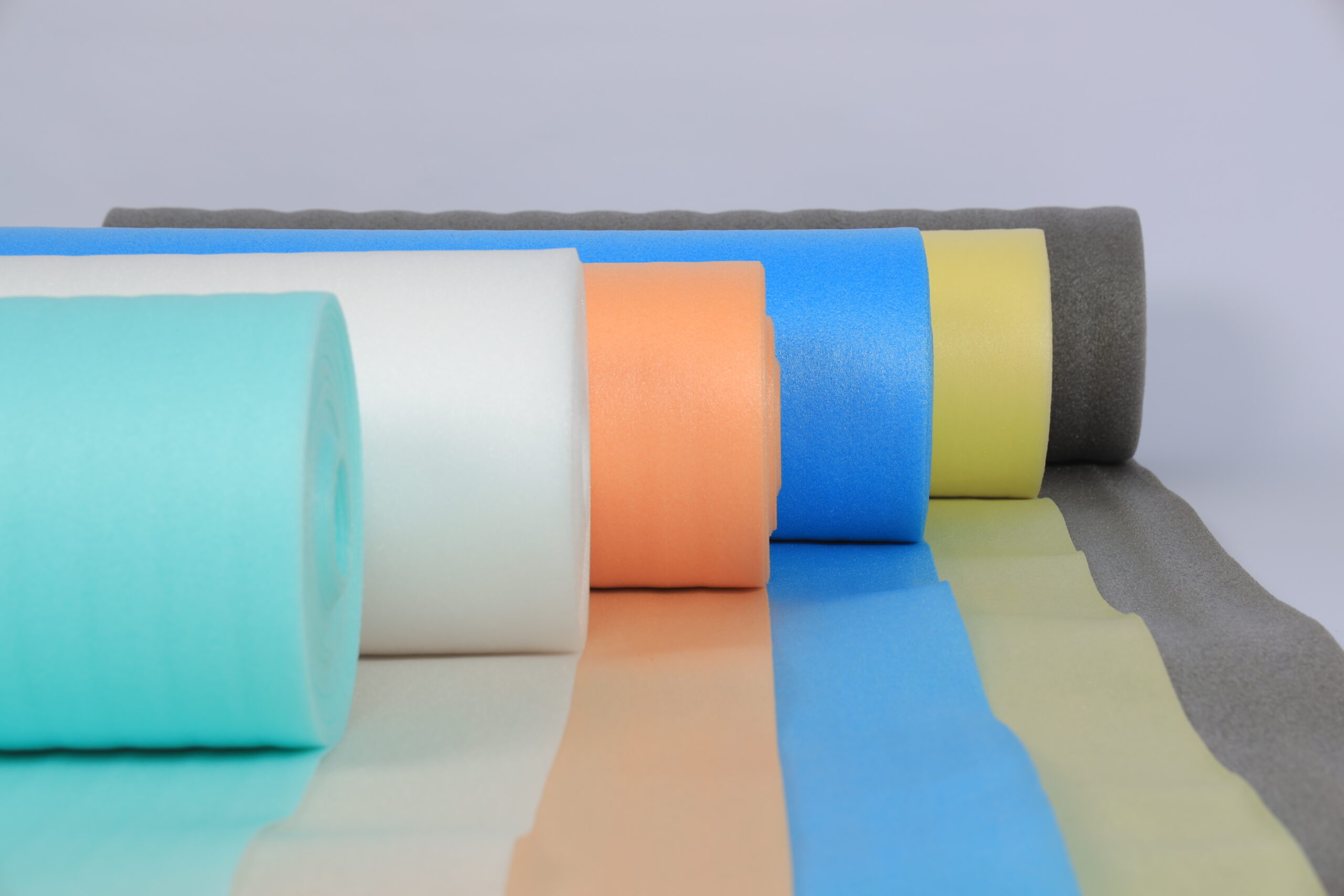 Device packaging foam
creates a protective zone between the product and external impacts. When a package experiences a sudden force, the foam compresses and helps reduce energy transmission to the product—provided that the appropriate foam type, thickness, and density have been selected.
Why Firmer Foam Does Not Always Mean Better Protection
It may seem logical to assume that denser or firmer foam always provides better protection, but this is not necessarily true. If the foam is too firm for the product’s weight, it may not compress sufficiently to provide effective cushioning during an impact. On the other hand, foam that is too soft for a heavy device may compress excessively and lose the cushioning distance needed to manage impact, allowing more force to reach the product. The objective is therefore not to choose the “strongest” foam available, but to select
shock-absorbing foam that matches the product’s mass, sensitivity, and expected shipping hazards.
Foam Thickness and Density Serve Different Functions
Thickness and density should not be treated as interchangeable specifications. Thickness influences, among other factors, the amount of cushioning travel available during compression, while density describes the amount of material within a given foam volume and influences its mechanical properties. Density alone does not define cushioning performance. Material properties, package design, product weight, load area, and expected impact conditions must also be considered.
How to Choose the Right Foam Thickness and Density
There is no single foam thickness or density that is ideal for every device. Proper selection starts with evaluating the product itself, followed by its shipping, handling, and storage conditions. Important information to collect before designing protective packaging includes product weight, dimensions, geometry, vulnerable areas, product value, transportation method, potential drop exposure, storage duration, and how packaged units will be stacked or shipped.
Device Weight and Shape
Weight is one of the most important factors when choosing
device packaging foam. A heavy device places greater loads on foam contact areas than a lightweight product, so the cushioning system must support the load while maintaining sufficient compression space during impact. Total weight, however, does not tell the whole story. A 20 kg device with a broad base distributes its load differently from a 20 kg unit supported by four small contact points. This makes
contact area and weight distribution important design considerations. The more concentrated the load is over a small area, the greater the pressure applied to the foam at that point.
Devices with Protruding Components
Handles, connectors, switches, displays, edges, and other delicate protrusions require special consideration. Protective packaging should not use these areas as primary load-bearing or restraint points unless they were specifically designed to withstand such loads. Foam can instead be designed to support the product at stronger structural areas while creating clearance around sensitive components.
Irregularly Shaped Devices
Irregularly shaped equipment can be difficult to protect with simple flat foam sheets because uneven gaps may allow movement or create inconsistent pressure points. In these cases, a
custom foam insert may provide a more appropriate solution by matching the device geometry and positioning support around safe load-bearing areas.
Shipping Distance and Handling Conditions
The more handling stages a product passes through, the more carefully its packaging system should be evaluated. A product transported directly from a factory to a nearby warehouse does not necessarily face the same conditions as equipment shipped long distances through multiple distribution centers.
Short-Distance Local Transportation
Short transportation distances do not eliminate risk. Manual loading, package movement, sudden braking, and stacking inside delivery vehicles can still expose products to impact. Protection levels should therefore be based on actual handling conditions rather than distance alone.
Long-Distance Shipping
During long-distance shipping, products may undergo multiple loading and unloading cycles, extended vibration, and stacking. Risk levels can also vary depending on the transportation method, distribution route, and outer packaging. In these applications,
equipment packaging should be engineered as an integrated system in which the foam, outer carton or case, and restraint method work together.
Practical Guide: What Determines the Right Protective Foam?
How Does Foam Thickness Affect Protection?
Increasing foam thickness, when supported by proper packaging design, can provide more compression distance for cushioning an impact. However, simply adding more foam does not automatically guarantee better performance. Thickness must work together with foam properties and applied load. Insufficient thickness may allow the foam to compress too far during impact, while unnecessary thickness can increase package dimensions, material consumption, and shipping costs without providing proportional benefits. For this reason, foam thickness should be selected after evaluating the product and its intended distribution environment, followed by packaging validation where appropriate.
How Does Foam Density Affect Packaging Performance?
Foam density describes the mass of material relative to its volume. It is one of several properties that influence foam behavior, but it should not be treated as the sole indicator of protective performance. Two foam materials with similar density values may still behave differently because of differences in formulation, manufacturing process, and mechanical properties. Packaging decisions should therefore not be based on density figures alone. In practical packaging applications, the foam should be evaluated for its ability to support the product and manage expected impacts while maintaining the appropriate balance between support and compression.
When Do You Need a Custom Foam Insert?
A custom foam insert becomes particularly useful when a product is high-value, sensitive, irregularly shaped, fitted with protruding components, or required to remain in a specific position inside the package. Rather than surrounding the product with generic foam layers, a custom insert can provide cavities and support areas designed around the device and its accessories.
Signs You May Need Custom Foam Packaging
A custom packaging design may be appropriate when:
- The device still moves despite the use of cushioning materials.
- The product includes a sensitive screen, lens, or connector.
- The device has an irregular shape.
- Accessories must be separated from the main unit.
- Damage or replacement costs are high.
- The product is shipped repeatedly.
- Better organization inside the package is required.
- Existing packaging does not provide the desired protection level.
Protecting the Device and Its Accessories in One Package
Custom foam inserts can include dedicated compartments for cables, adapters, controllers, and other accessories instead of allowing them to move freely next to the main device. This approach can improve protection while also creating a more organized unboxing experience and making it easier to verify that all components are included.
Is Polyethylene Foam Suitable for Device Packaging?
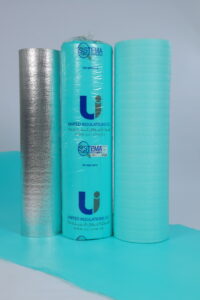
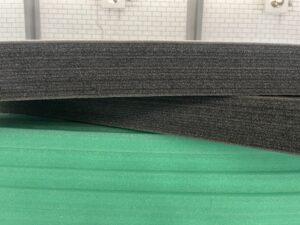
Polyethylene foam is used in a wide range of protective packaging applications because its properties make it suitable for cushioning, separation, and surface protection across different use cases. Key characteristics of polyethylene foam used in packaging include its lightweight cellular structure, cushioning properties, moisture resistance in many applications, and availability in sheet or roll formats depending on the intended use.
Foam sheets can be used as protective layers or separators, while more customized solutions may be developed when a device requires precise positioning and support.
Packaging Testing Before Production: A Step You Should Not Skip
Even a packaging design that looks ideal on paper should be validated under conditions representative of its intended use. Packaging testing is particularly important for sensitive, high-value products and frequently shipped equipment. The purpose of testing is to determine whether the device remains secure and protected, whether foam thickness and placement are appropriate, and whether the outer package and cushioning system function effectively together.
What Should Be Evaluated?
Useful evaluation points include product stability inside the package, the condition of support areas, clearance around sensitive components, and the product’s condition after representative handling or defined packaging tests. For products requiring a higher level of validation, appropriate packaging test protocols can be selected based on the product and distribution environment rather than relying only on informal trial and error.
Prototype Before Mass Production
Creating a packaging prototype before mass production is a practical approach, particularly for custom foam solutions. A prototype allows you to review dimensions, product insertion and removal, stability, pressure points, and accessory compartments before finalizing the design.
Common Mistakes When Choosing Device Packaging Foam
1. Choosing Foam Based on Price Alone
Reducing packaging material costs may initially appear economical, but if it increases product damage or returns, the total cost can become significantly higher. Packaging cost should be considered in relation to product value, damage risk, replacement expenses, reshipping, and rework.
2. Assuming Thicker Foam Is Always Better
Adding thickness without evaluating the packaging system can increase package size and shipping costs without delivering an equivalent improvement in protection. The goal is to select the
appropriate thickness for the application, not simply the thickest option available.
3. Selecting Density Without Considering Product Weight
Foam should operate within an appropriate loading range. Lightweight and heavy products do not interact with cushioning material in the same way. Product weight, contact area, and foam properties should be evaluated together.
4. Ignoring Vulnerable Areas
A product’s main enclosure may be strong while its screen, lens, connectors, or other components remain vulnerable. Good packaging provides clearance around vulnerable areas and supports the product using stronger structural points.
5. Skipping Packaging Validation
Approving packaging without validation can allow design problems to appear only after shipping begins, when redesign and product damage become more expensive. Prototyping and testing can identify potential problems before scaling into full production.
How to Design an Effective Packaging System for Devices and Equipment
Designing an effective
protective foam packaging system can be approached as a structured process that starts with understanding the product and ends with validating the final packaging solution.
Step 1: Collect Product Data
Record the device’s weight, dimensions, geometry, center of gravity, vulnerable components, and safe load-bearing areas.
Step 2: Analyze the Distribution Journey
Ask how the product will be transported, how many times it may be handled, whether it will travel locally or over long distances, and whether packages will be stacked.
Step 3: Define the Required Protection Level
A high-value or highly sensitive device may require a more carefully engineered solution than a rugged product with relatively low shock sensitivity.
Step 4: Select Foam Type and Thickness
Once the risks have been identified, the foam material, properties, and thickness can be selected to provide the required support and cushioning.
Step 5: Define Support and Restraint Points
Support should be concentrated around areas capable of carrying the load while avoiding unnecessary pressure on sensitive components.
Step 6: Prototype and Validate
Before mass production, a prototype can be produced, reviewed, and subjected to appropriate validation to identify potential improvements.
How Can Proper Packaging Reduce Damage Costs?
The cost of product damage extends beyond the value of the device itself. It can include replacement, reshipping, customer support, return inspection, repackaging, delivery delays, and the impact on customer experience. This is why investing in properly designed
device packaging foam can be more cost-effective than relying on low-cost packaging that does not match the actual shipping risks. For businesses shipping at scale, even a modest reduction in damage rates can influence total operating costs, particularly when products are valuable or difficult to replace.
United Insulations Company: Foam Solutions for Packaging and Protection
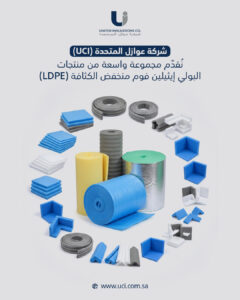
United Insulations Company (UCI) is a Saudi manufacturer specializing in insulation and foam products, providing
low-density polyethylene foam (LDPE Foam) solutions for a range of insulation, protection, and packaging applications. UCI focuses on delivering foam products manufactured to controlled standards for industrial and commercial applications, supporting a variety of protection, cushioning, and packaging requirements. The company also holds
ISO 9001 Quality Management System certification, reflecting its focus on process management, quality, and continuous improvement. Its product portfolio includes thermal insulation solutions, low-density polyethylene foam products, and
protective packaging foam designed for cushioning and surface protection during transportation and storage according to application requirements.
Device Packaging Foam Is Not a One-Size-Fits-All Solution
The best packaging solution is not necessarily the thickest or densest foam available. It is the solution that matches the product’s weight, geometry, sensitivity, and distribution conditions. Effective packaging starts with understanding the device and its shipping risks, followed by selecting the appropriate foam, support points, and thickness, and finally validating the package before implementation. This approach helps create a better balance between
product protection, package size, material consumption, and transportation costs.
Request a Custom Packaging Solution for Transportation and Storage
If you are looking for
device packaging foam or protective solutions for products and equipment during transportation and storage, accurately defining your product requirements is the first step toward an effective solution. Share key product details—such as dimensions, weight, intended use, and packaging requirements—with the
United Insulations Company team to help determine a suitable solution for your application.
Request a custom packaging solution designed to protect your products during transportation and storage. What Is the Best Foam for Packaging Devices?
The best foam for device packaging depends on the product’s weight, sensitivity, shape, and shipping conditions.
Polyethylene foam is widely used in protective packaging for cushioning, separation, and surface protection, but the appropriate thickness, density, and design should be selected for the specific application.
Is One Layer of Foam Enough to Protect a Device?
Not always. The number and thickness of foam layers depend on device weight, sensitivity, package configuration, and transportation risks. Some products require protection from multiple directions or dedicated support points rather than a single foam layer.
When Do I Need Custom Foam Packaging?
Custom foam packaging is useful for high-value equipment, irregularly shaped products, devices with sensitive components or multiple accessories, and applications where precise positioning and movement control are required.
Does Higher-Density Foam Provide Better Protection?
Not necessarily. Protection depends on matching foam properties to product weight, contact area, thickness, and expected impact conditions. Foam that is too firm may not provide sufficient compression for some products, while foam that is too soft may be unsuitable for heavier loads.
How Do I Determine the Right Packaging Foam Thickness?
Thickness should be determined based on product weight, sensitivity, foam properties, shipping conditions, and contact area. For sensitive products, validating the design with a prototype and appropriate testing before mass production is recommended.
Is Polyethylene Foam Suitable for Electronic Devices?
Polyethylene foam can be suitable for many device packaging applications, particularly for cushioning, separation, and surface protection. However, electronic devices with special requirements—such as electrostatic discharge control—may require materials or specifications specifically designed for that purpose.
What Is the Difference Between Foam Thickness and Density?
Thickness refers to the physical depth of the foam layer and influences available compression distance, while density refers to the amount of material within a given foam volume. Both matter, but neither should be used alone to predict packaging protection.
Should Packaging Be Tested Before Mass Production?
Yes, particularly for sensitive or high-value equipment. Prototype testing can identify unwanted movement, pressure points, insufficient cushioning, or restraint issues before large quantities of packaging are produced.
How Can Device Damage During Shipping Be Reduced?
Start by securing the product correctly, selecting foam suited to its weight and sensitivity, protecting protruding components, minimizing unnecessary empty space, choosing an appropriate outer package, and validating the complete packaging system before implementation.
How do you choose device packaging foam? Choose
device packaging foam based on the product’s weight, shape, shock sensitivity, contact area, handling conditions, and shipping environment. Foam thickness and properties should provide sufficient support and cushioning, and the complete packaging system should be validated before mass production, particularly for sensitive or high-value equipment. Effective
device packaging foam is not defined by how much foam is used, but by how well the solution matches the product. Weight, geometry, sensitivity, contact points, and distribution conditions all influence foam thickness, properties, and placement. For high-value devices and equipment, moving from simply “filling a box with foam” to designing an
integrated protective packaging system can help reduce damage risk and improve packaging efficiency. Start by analyzing your product, identifying the risks it may face during transportation and storage, selecting an appropriate packaging solution, and validating it before production. This turns foam into a functional part of your product protection strategy rather than simply another material inside the box.
Request a customized packaging solution from United Insulations Company to protect your products during transportation and storage.