When shipping electronics, industrial equipment, sensitive components, or high-value products, placing the item inside a box with generic cushioning is rarely enough. Choosing the right
device packaging foam depends on the product’s weight, shape, shock sensitivity, handling conditions, shipping distance, and vulnerable areas. A properly designed packaging system does more than fill empty space inside a box. Its purpose is to secure the product, distribute loads, absorb shocks, and reduce unwanted movement and friction during transportation and storage.
Polyethylene foam (PE Foam) is widely used in protective packaging applications because its cellular structure can provide cushioning against impact, friction, and moisture in many use cases. However, effective protection requires the right combination of foam thickness, density, and packaging design rather than a one-size-fits-all solution. In this guide from
شركة عوازل المتحدة, we explain how to select the right
protective foam for devices and equipmentفي هذا الدليل من شركة عوازل المتحدة (UCI)، نوضح العوامل التي تساعدك على اختيار فوم حماية الأجهزة، وكيف تؤثر السماكة والكثافة في مستوى الحماية، ومتى يكون القالب المخصص أكثر ملاءمة، ولماذا يجب اختبار التغليف قبل اعتماده للإنتاج.
لماذا تتضرر الأجهزة أثناء النقل؟
Devices are often damaged during shipping due to a combination of factors, including sudden impacts, drops, continuous vibration, movement inside the package, stacking pressure, and friction between the product and its packaging. Effective
equipment packaging should therefore begin with a clear understanding of the risks the product may face throughout its distribution journey.
الصدمات والسقوط
Packages may be dropped during loading, unloading, warehouse handling, or distribution. When this happens, impact energy can travel through the outer carton toward the product. Without an appropriate cushioning material, that force may reach the enclosure or sensitive internal components. This is where
shock-absorbing foam becomes important. It acts as a cushioning layer that helps absorb and distribute impact energy, reducing the amount of force transmitted directly to the device.
الاهتزاز المستمر أثناء النقل
A major drop is not the only risk. Devices transported over long distances by truck or through multiple distribution stages may experience repeated vibration for many hours. If a device is not properly secured, repeated vibration can cause movement inside the package, surface abrasion, pressure on vulnerable areas, or contact between the main unit and its accessories. For this reason,
protective device foam should help immobilize the product rather than simply surround it with a soft layer.
الحركة داخل العبوة
One common packaging mistake is leaving excessive empty space between the device and its protective material. If the product can move freely inside the package, it is more likely to strike the inner walls whenever the box is lifted, rotated, or handled. The solution, however, is not to compress the device tightly between foam layers. Excessive pressure can affect screens, buttons, connectors, or protruding components. The goal is to achieve the right balance between restraint and cushioning.
الاحتكاك والخدوش
Some products may arrive fully functional but suffer scratches, scuffing, or cosmetic damage that reduces their perceived quality and commercial value. This is why
packaging foam should be considered part of a complete protective system designed to address impact, movement, and surface protection simultaneously.
دور فوم تغليف الأجهزة في امتصاص الصدمات
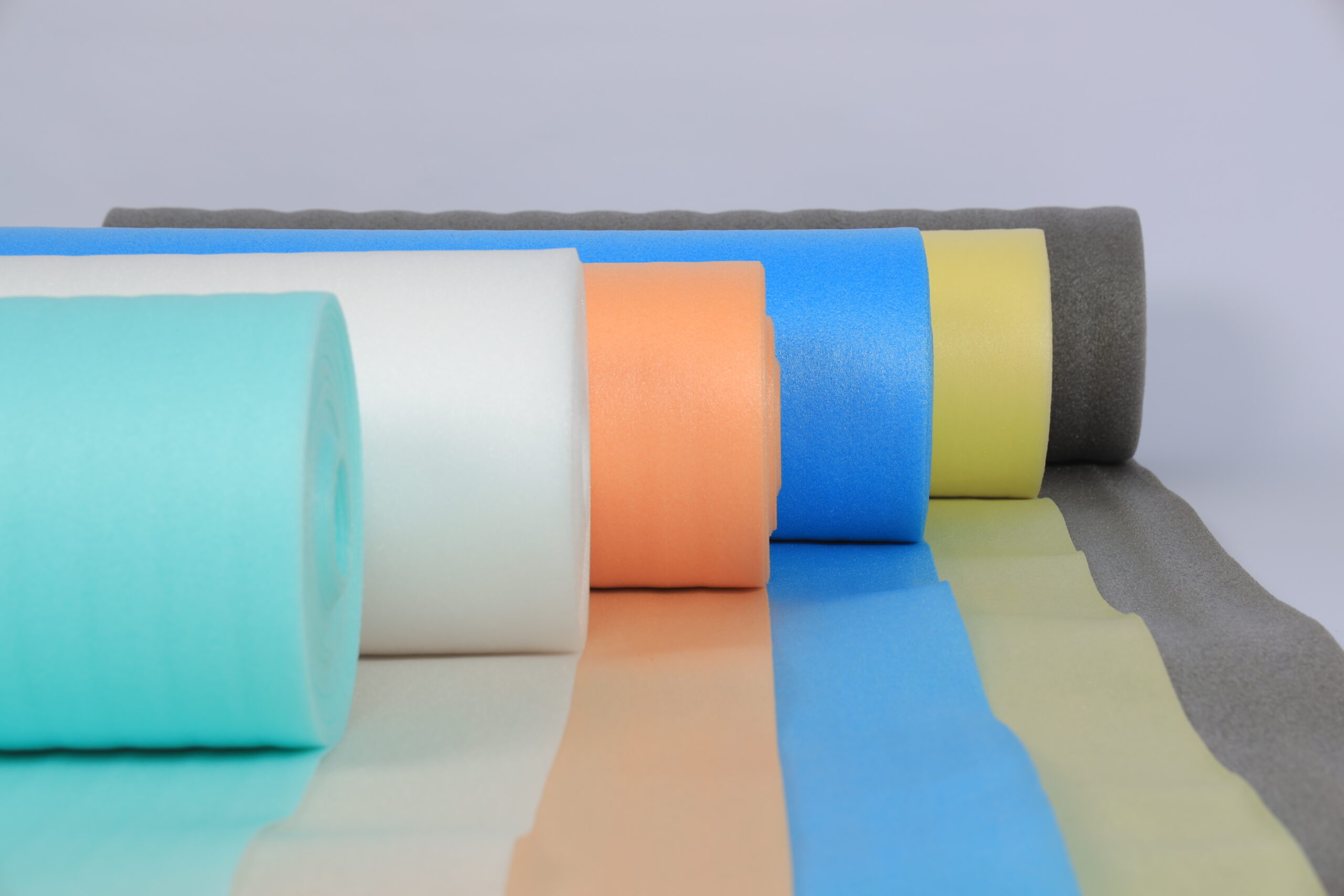 Device packaging foam
creates a protective zone between the product and external impacts. When a package experiences a sudden force, the foam compresses and helps reduce energy transmission to the product—provided that the appropriate foam type, thickness, and density have been selected.
لماذا لا يعني الفوم الأكثر صلابة حماية أفضل دائمًا؟
It may seem logical to assume that denser or firmer foam always provides better protection, but this is not necessarily true. If the foam is too firm for the product’s weight, it may not compress sufficiently to provide effective cushioning during an impact. On the other hand, foam that is too soft for a heavy device may compress excessively and lose the cushioning distance needed to manage impact, allowing more force to reach the product. The objective is therefore not to choose the “strongest” foam available, but to select
shock-absorbing foam that matches the product’s mass, sensitivity, and expected shipping hazards.
السماكة والكثافة وظيفتان مختلفتان
Thickness and density should not be treated as interchangeable specifications. Thickness influences, among other factors, the amount of cushioning travel available during compression, while density describes the amount of material within a given foam volume and influences its mechanical properties. Density alone does not define cushioning performance. Material properties, package design, product weight, load area, and expected impact conditions must also be considered.
كيف تختار سماكة وكثافة فوم تغليف الأجهزة؟
There is no single foam thickness or density that is ideal for every device. Proper selection starts with evaluating the product itself, followed by its shipping, handling, and storage conditions. Important information to collect before designing protective packaging includes product weight, dimensions, geometry, vulnerable areas, product value, transportation method, potential drop exposure, storage duration, and how packaged units will be stacked or shipped.
وزن الجهاز وشكله
Weight is one of the most important factors when choosing
device packaging foam. A heavy device places greater loads on foam contact areas than a lightweight product, so the cushioning system must support the load while maintaining sufficient compression space during impact. Total weight, however, does not tell the whole story. A 20 kg device with a broad base distributes its load differently from a 20 kg unit supported by four small contact points. This makes
contact area and weight distribution important design considerations. The more concentrated the load is over a small area, the greater the pressure applied to the foam at that point.
الأجهزة ذات الأجزاء البارزة
Handles, connectors, switches, displays, edges, and other delicate protrusions require special consideration. Protective packaging should not use these areas as primary load-bearing or restraint points unless they were specifically designed to withstand such loads. Foam can instead be designed to support the product at stronger structural areas while creating clearance around sensitive components.
الأجهزة ذات الأشكال غير المنتظمة
Irregularly shaped equipment can be difficult to protect with simple flat foam sheets because uneven gaps may allow movement or create inconsistent pressure points. In these cases, a
custom foam insert may provide a more appropriate solution by matching the device geometry and positioning support around safe load-bearing areas.
مسافة النقل وطريقة المناولة
كلما زادت مراحل المناولة، زادت الحاجة إلى دراسة نظام التغليف بعناية. فالمنتج الذي ينتقل مباشرة من مصنع إلى مستودع قريب لا يواجه بالضرورة الظروف نفسها التي يواجهها جهاز يتم شحنه لمسافات طويلة عبر عدة مراكز توزيع.
النقل المحلي القصير
Short transportation distances do not eliminate risk. Manual loading, package movement, sudden braking, and stacking inside delivery vehicles can still expose products to impact. Protection levels should therefore be based on actual handling conditions rather than distance alone.
النقل لمسافات طويلة
During long-distance shipping, products may undergo multiple loading and unloading cycles, extended vibration, and stacking. Risk levels can also vary depending on the transportation method, distribution route, and outer packaging. In these applications,
equipment packaging should be engineered as an integrated system in which the foam, outer carton or case, and restraint method work together.
جدول عملي: ما العوامل التي تحدد اختيار فوم حماية الأجهزة؟
كيف تؤثر سماكة الفوم في الحماية؟
Increasing foam thickness, when supported by proper packaging design, can provide more compression distance for cushioning an impact. However, simply adding more foam does not automatically guarantee better performance. Thickness must work together with foam properties and applied load. Insufficient thickness may allow the foam to compress too far during impact, while unnecessary thickness can increase package dimensions, material consumption, and shipping costs without providing proportional benefits. For this reason, foam thickness should be selected after evaluating the product and its intended distribution environment, followed by packaging validation where appropriate.
كيف تؤثر كثافة الفوم في الأداء؟
Foam density describes the mass of material relative to its volume. It is one of several properties that influence foam behavior, but it should not be treated as the sole indicator of protective performance. Two foam materials with similar density values may still behave differently because of differences in formulation, manufacturing process, and mechanical properties. Packaging decisions should therefore not be based on density figures alone. In practical packaging applications, the foam should be evaluated for its ability to support the product and manage expected impacts while maintaining the appropriate balance between support and compression.
متى تحتاج إلى قالب فوم مخصص؟
A custom foam insert becomes particularly useful when a product is high-value, sensitive, irregularly shaped, fitted with protruding components, or required to remain in a specific position inside the package. Rather than surrounding the product with generic foam layers, a custom insert can provide cavities and support areas designed around the device and its accessories.
علامات تشير إلى أنك تحتاج تصميمًا مخصصًا
قد يكون التصميم المخصص مناسبًا عندما:
- يتحرك الجهاز رغم استخدام مواد الحماية.
- يحتوي المنتج على شاشة أو عدسات أو موصلات حساسة.
- يكون شكل الجهاز غير منتظم.
- توجد ملحقات يجب فصلها عن الجهاز الرئيسي.
- تكون تكلفة التلف أو الاستبدال مرتفعة.
- يحتاج المنتج إلى شحن متكرر.
- ترغب في تحسين ترتيب المنتج داخل العبوة.
- لا تحقق حلول التغليف الحالية مستوى الحماية المطلوب.
حماية الجهاز وملحقاته داخل عبوة واحدة
Custom foam inserts can include dedicated compartments for cables, adapters, controllers, and other accessories instead of allowing them to move freely next to the main device. This approach can improve protection while also creating a more organized unboxing experience and making it easier to verify that all components are included.
هل فوم البولي إيثيلين مناسب لتغليف الأجهزة؟
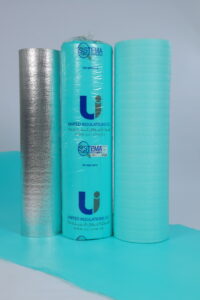
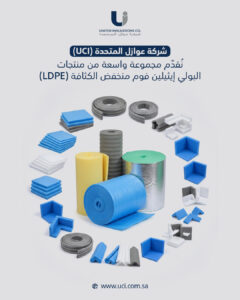
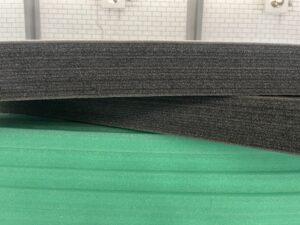
Polyethylene foam is used in a wide range of protective packaging applications because its properties make it suitable for cushioning, separation, and surface protection across different use cases. Key characteristics of polyethylene foam used in packaging include its lightweight cellular structure, cushioning properties, moisture resistance in many applications, and availability in sheet or roll formats depending on the intended use.
Foam sheets can be used as protective layers or separators, while more customized solutions may be developed when a device requires precise positioning and support.
اختبار التغليف قبل الإنتاج: خطوة لا ينبغي تجاهلها
Even a packaging design that looks ideal on paper should be validated under conditions representative of its intended use. Packaging testing is particularly important for sensitive, high-value products and frequently shipped equipment. The purpose of testing is to determine whether the device remains secure and protected, whether foam thickness and placement are appropriate, and whether the outer package and cushioning system function effectively together.
ما الذي يجب فحصه؟
Useful evaluation points include product stability inside the package, the condition of support areas, clearance around sensitive components, and the product’s condition after representative handling or defined packaging tests. For products requiring a higher level of validation, appropriate packaging test protocols can be selected based on the product and distribution environment rather than relying only on informal trial and error.
النموذج الأولي قبل الإنتاج الكمي
Creating a packaging prototype before mass production is a practical approach, particularly for custom foam solutions. A prototype allows you to review dimensions, product insertion and removal, stability, pressure points, and accessory compartments before finalizing the design.
أخطاء شائعة عند اختيار فوم تغليف الأجهزة
1. اختيار الفوم بناءً على السعر فقط
Reducing packaging material costs may initially appear economical, but if it increases product damage or returns, the total cost can become significantly higher. Packaging cost should be considered in relation to product value, damage risk, replacement expenses, reshipping, and rework.
2. افتراض أن السماكة الأكبر هي الأفضل دائمًا
Adding thickness without evaluating the packaging system can increase package size and shipping costs without delivering an equivalent improvement in protection. The goal is to select the
appropriate thickness for the application, not simply the thickest option available.
3. اختيار الكثافة دون النظر إلى وزن الجهاز
Foam should operate within an appropriate loading range. Lightweight and heavy products do not interact with cushioning material in the same way. Product weight, contact area, and foam properties should be evaluated together.
4. تجاهل نقاط الضعف
A product’s main enclosure may be strong while its screen, lens, connectors, or other components remain vulnerable. Good packaging provides clearance around vulnerable areas and supports the product using stronger structural points.
5. عدم اختبار العبوة
Approving packaging without validation can allow design problems to appear only after shipping begins, when redesign and product damage become more expensive. Prototyping and testing can identify potential problems before scaling into full production.
يمكن تلخيص عملية تصميم فوم حماية الأجهزة في مجموعة خطوات عملية تبدأ من فهم المنتج وتنتهي باختبار الحل قبل اعتماده.
Designing an effective
protective foam packaging system can be approached as a structured process that starts with understanding the product and ends with validating the final packaging solution.
الخطوة الأولى: جمع بيانات الجهاز
حدد الوزن والأبعاد والشكل ومركز الثقل والأجزاء الحساسة ونقاط التحميل الآمنة.
الخطوة الثانية: تحليل رحلة الشحن
اسأل: كيف سيتم نقل المنتج؟ وكم مرة ستتم مناولته؟ وهل سيُنقل محليًا أم لمسافات طويلة؟ وهل سيتم تكديس العبوات؟
الخطوة الثالثة: تحديد مستوى الحماية المطلوب
الجهاز مرتفع القيمة أو شديد الحساسية قد يحتاج إلى تصميم أكثر دقة من منتج قوي منخفض الحساسية للصدمات.
الخطوة الرابعة: اختيار نوع الفوم والسماكة
بعد تحديد المخاطر، يتم اختيار مادة الفوم وخصائصها والسماكة المناسبة بحيث توفر الدعم والتوسيد المطلوبين.
الخطوة الخامسة: تحديد نقاط التثبيت
ينبغي أن تتركز نقاط التثبيت على المناطق القادرة على تحمل الحمل، مع تجنب الضغط على الأجزاء الحساسة.
الخطوة السادسة: إنشاء نموذج واختباره
قبل الإنتاج بكميات كبيرة، يمكن إنشاء نموذج أولي ومراجعته وإجراء الاختبارات المناسبة لتحديد نقاط التحسين.
كيف يساعد التغليف المناسب في خفض تكلفة التلف؟
The cost of product damage extends beyond the value of the device itself. It can include replacement, reshipping, customer support, return inspection, repackaging, delivery delays, and the impact on customer experience. This is why investing in properly designed
device packaging foam can be more cost-effective than relying on low-cost packaging that does not match the actual shipping risks. For businesses shipping at scale, even a modest reduction in damage rates can influence total operating costs, particularly when products are valuable or difficult to replace.
عوازل المتحدة: حلول فوم للتغليف والحماية
شركة عوازل المتحدة is a Saudi manufacturer specializing in insulation and foam products, providing
البولي إيثيلين فوم منخفض الكثافة (LDPE Foam) solutions for a range of insulation, protection, and packaging applications. UCI focuses on delivering foam products manufactured to controlled standards for industrial and commercial applications, supporting a variety of protection, cushioning, and packaging requirements. The company also holds
شهادة ISO 9001 لنظام إدارة الجودة, reflecting its focus on process management, quality, and continuous improvement. Its product portfolio includes thermal insulation solutions, low-density polyethylene foam products, and
protective packaging foam designed for cushioning and surface protection during transportation and storage according to application requirements.
فوم تغليف الأجهزة ليس منتجًا واحدًا يناسب الجميع
The best packaging solution is not necessarily the thickest or densest foam available. It is the solution that matches the product’s weight, geometry, sensitivity, and distribution conditions. Effective packaging starts with understanding the device and its shipping risks, followed by selecting the appropriate foam, support points, and thickness, and finally validating the package before implementation. This approach helps create a better balance between
product protection, package size, material consumption, and transportation costs.
اطلب حل تغليف مخصصًا يحمي منتجاتك أثناء النقل والتخزين
If you are looking for
device packaging foam or protective solutions for products and equipment during transportation and storage, accurately defining your product requirements is the first step toward an effective solution. Share key product details—such as dimensions, weight, intended use, and packaging requirements—with the
شركة عوازل المتحدة team to help determine a suitable solution for your application.
اطلب حل تغليف مخصصًا يحمي منتجاتك أثناء النقل والتخزين. ما أفضل فوم لتغليف الأجهزة؟
The best foam for device packaging depends on the product’s weight, sensitivity, shape, and shipping conditions.
Polyethylene foam is widely used in protective packaging for cushioning, separation, and surface protection, but the appropriate thickness, density, and design should be selected for the specific application.
هل تكفي طبقة واحدة من الفوم لحماية الجهاز؟
ليس دائمًا. يعتمد عدد الطبقات وسماكتها على وزن الجهاز ومستوى حساسيته وشكل العبوة ومخاطر النقل. بعض المنتجات قد تحتاج إلى حماية من عدة جهات أو نقاط تثبيت مخصصة بدل الاعتماد على طبقة واحدة.
متى أحتاج تصميم فوم مخصصًا؟
يكون التصميم المخصص مفيدًا عند تغليف أجهزة مرتفعة القيمة أو غير منتظمة الشكل أو تحتوي على أجزاء حساسة وملحقات متعددة، أو عندما تكون هناك حاجة إلى تثبيت المنتج في وضع محدد وتقليل حركته داخل العبوة.
هل الفوم الأكثر كثافة يحمي الجهاز بشكل أفضل؟
ليس بالضرورة. تعتمد الحماية على توافق خصائص الفوم مع وزن الجهاز ومساحة التلامس والسماكة وظروف الصدمة. الفوم شديد الصلابة قد لا يوفر الانضغاط المطلوب لبعض المنتجات، بينما قد يكون الفوم اللين جدًا غير مناسب للأحمال الثقيلة.
كيف أحدد سماكة فوم تغليف الأجهزة؟
يجب تحديد السماكة بناءً على وزن المنتج وحساسيته وخصائص الفوم وظروف النقل ومساحة التلامس. ويُفضل التحقق من التصميم عن طريق نموذج أولي واختبارات مناسبة قبل الإنتاج الكمي، خاصة للمنتجات الحساسة.
هل فوم البولي إيثيلين مناسب للأجهزة الإلكترونية؟
يمكن استخدام فوم البولي إيثيلين في العديد من تطبيقات تغليف الأجهزة، خصوصًا لأغراض التوسيد والفصل وحماية الأسطح. لكن الأجهزة الإلكترونية التي لديها متطلبات خاصة، مثل التحكم في الكهرباء الساكنة، قد تحتاج إلى مواد أو مواصفات إضافية مخصصة لهذا الغرض.
ما الفرق بين السماكة والكثافة في فوم التغليف؟
السماكة تشير إلى البعد الفعلي لطبقة الفوم وتؤثر في المسافة المتاحة للانضغاط، بينما تشير الكثافة إلى كمية المادة الموجودة في حجم معين من الفوم. كلاهما مهم، لكن لا يمكن الاعتماد على أحدهما وحده لتحديد مستوى الحماية.
هل يجب اختبار التغليف قبل الإنتاج؟
نعم، خصوصًا للأجهزة الحساسة أو مرتفعة القيمة. يساعد اختبار النموذج الأولي على اكتشاف الحركة غير المرغوبة ونقاط الضغط ومشكلات السماكة أو التثبيت قبل إنتاج كميات كبيرة.
كيف يمكن تقليل تلف الأجهزة أثناء الشحن؟
يبدأ ذلك بتثبيت المنتج جيدًا، واختيار فوم مناسب للوزن والحساسية، وحماية الأجزاء البارزة، وتقليل الفراغات غير الضرورية، واستخدام عبوة خارجية مناسبة، ثم اختبار نظام التغليف قبل اعتماده.
كيف تختار فوم تغليف الأجهزة؟ Choose
device packaging foam based on the product’s weight, shape, shock sensitivity, contact area, handling conditions, and shipping environment. Foam thickness and properties should provide sufficient support and cushioning, and the complete packaging system should be validated before mass production, particularly for sensitive or high-value equipment. Effective
device packaging foam is not defined by how much foam is used, but by how well the solution matches the product. Weight, geometry, sensitivity, contact points, and distribution conditions all influence foam thickness, properties, and placement. For high-value devices and equipment, moving from simply “filling a box with foam” to designing an
integrated protective packaging system can help reduce damage risk and improve packaging efficiency. Start by analyzing your product, identifying the risks it may face during transportation and storage, selecting an appropriate packaging solution, and validating it before production. This turns foam into a functional part of your product protection strategy rather than simply another material inside the box.
اطلب من عوازل المتحدة حل تغليف مخصصًا يحمي منتجاتك أثناء النقل والتخزين.