Electrical equipment protection during transportation is one of the most critical challenges in supply chains, especially in energy and infrastructure projects. These items are not ordinary goods; they are highly sensitive systems that can be affected by even minor shocks or improper handling.
Electrical panels, transformers, and smart systems are extremely high-value assets. Any damage can lead to significant financial losses and project delays.
Even minor scratches or vibrations can affect performance. Some failures are not visible immediately but cause operational issues after installation.
Because equipment is outside controlled environments, it becomes exposed to vibration, humidity, and improper handling, making transportation one of the most sensitive phases.
In many projects, replacing a single electrical panel may cost more than a full packaging system, making protection a smart financial investment.
Electrical equipment is exposed to multiple risks during transport that affect its quality and performance.

Transport vibrations can loosen internal components or damage sensitive circuits.
Dropping is one of the most common causes of damage during handling.
Humidity can cause corrosion and internal electronic damage.
Incorrect stacking can create direct pressure on sensitive equipment.
Equipment may appear intact externally while internal vibrations gradually damage sensitive components.
Power companies require strict packaging standards to ensure safe operation and reduce risks.
Electrical equipment represents a major investment, requiring strict protection standards.
Undetected damage during transport may appear later and affect operations.
Public and private projects impose strict packaging requirements.
Proper protection reduces warranty claims and replacements.
Every packaging specification contributes to project success and operational stability.
Highly sensitive due to internal circuitry.
Require high-level protection due to weight and value.
Sensitive devices affected by vibration.
Require precision and stability.
Easily damaged by pressure or bending.
Depending on weight, sensitivity, and application.
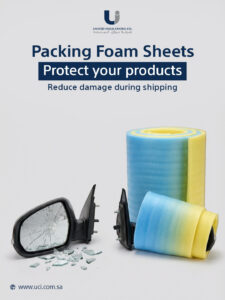
Protective foam is one of the most widely used industrial solutions.
Reduces impact during transportation.
Prevents contact between sensitive parts.
Maintains surface integrity without scratches.
Some foam types reduce moisture impact.
Because it combines light weight, efficiency, and cost-effectiveness.
Corners are the first point of impact.
Spreads impact force evenly.
Protects structural integrity.
Maintains stability during storage.
Without: high damage risk – With: significantly reduced damage.
Larger items require stronger protection.
Sensitive equipment needs higher-density foam.
Long distances require enhanced protection.
Environment determines packaging type.
Damage causes project delays.
Higher damaged product returns.
Unexpected financial costs.
Direct impact on reputation.
Reduces profit margins and increases operational costs.
Strict internal transport standards.
Require certified specifications.
Standardized packaging requirements.
Now part of contracts.
To ensure quality and reduce operational risk.
United Insulation Company
Tailored solutions per project.
For panels and transformers protection.
Serving government-scale projects.
Helping select optimal specifications.
Because they reduce losses and improve efficiency.
High damage rates during transport.
Use of foam and corner protection systems.
Significant reduction in damage and improved logistics.
Protection is not optional—it is essential.
Yes, they are essential because they protect corners from breakage and distribute impact forces.
Vibration can cause internal damage to sensitive components that may not be visible immediately.
High-density foam and shock-absorbing materials are the best packaging options for sensitive equipment.
Yes, foam can significantly reduce damage rates, especially in large-scale projects.
Why is protection part of quality?
The real return on investment in packaging
Reducing losses and increasing customer satisfaction.
Next step
Adopt a professional protection system for every electrical project.
 Furniture Wrapping Foam: Effective Protection During Transportation in Saudi Arabia
  Why Do Electrical Companies Rely on Foam Corners? The Solution That Significantly Reduces Cable Damage
  Benefits of Packaging Foam in Protecting Industrial Products
  Wall Protection Panels in Sports Facilities: Safety or an Extra Cost?