Table of Contents
ToggleIn recent years, sound insulation in buildings has become one of the most important factors affecting the quality of life in residential and commercial projects. Users no longer look only for attractive design or prime location; they now expect a quiet and comfortable environment free from noise.
In fact, several real estate studies indicate that indoor noise is one of the main reasons behind tenant complaints in modern buildings. As a result, noise insulation has become an essential part of modern architectural planning.
Noise becomes a real issue when it occurs repeatedly and affects comfort, concentration, and sleep. In multi-story buildings, sounds easily travel through floors, walls, and ceilings.
The most common disturbing noises include:
In the past, users accepted a certain level of noise in buildings. Today, expectations have changed significantly, especially in premium residential projects, hotels, and modern offices.
Tenants and buyers now look for:
Interestingly, noise rarely appears as a visible flaw during property purchase, yet it often becomes a major complaint after occupancy.
This is why sound insulation in buildings has become a critical factor in improving user experience and increasing property value in the long term.
To understand the importance of sound insulation in buildings, we must first identify the most common noise sources in residential and commercial projects.
Floors are one of the main paths through which sound travels, particularly in multi-story buildings.
Noise generated from:
can easily travel to lower floors if proper insulation is not installed.
Uninsulated walls allow sound to travel easily between apartments or offices, reducing acoustic privacy.
In some cases, noise travels through ceilings due to structural vibrations within the building.
Engineering studies indicate that floors are the largest source of sound transmission inside residential buildings.
This is why floor insulation systems have become a key component of modern sound insulation in buildings solutions.
To understand the role of sound insulation in buildings, we must distinguish between two main sound control methods.
There is a difference between:
Sound insulation mainly focuses on blocking sound transmission.
Impact sounds such as footsteps travel as vibrations through floors.
Using foam layers under flooring helps absorb these vibrations before they spread.
Floor insulation plays a major role in improving sound insulation in buildings, particularly in residential and hospitality projects.
Carpet underlay is a foam layer placed under carpets to reduce sound and vibration transmission.
Benefits include:
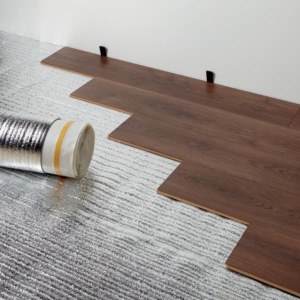
Wooden floors require specialized insulation layers to reduce movement noise.
Parquet underlay helps:
Installing foam layers beneath flooring can significantly reduce sound transmission.
This makes them one of the most important components of sound insulation in buildings.
The impact of sound insulation in buildings extends beyond comfort and directly affects property market value.
Buildings with poor sound insulation experience higher complaint rates from residents.
Proper insulation significantly reduces such issues.
Users living in quiet environments are more satisfied and likely to stay longer.
Properties with better insulation achieve:
Despite the importance of sound insulation in buildings, several mistakes can reduce its efficiency.
Failing to install insulation under floors allows sound to travel easily.
Failing to install insulation under floors allows sound to travel easily.
Even the best materials lose efficiency if installed incorrectly.
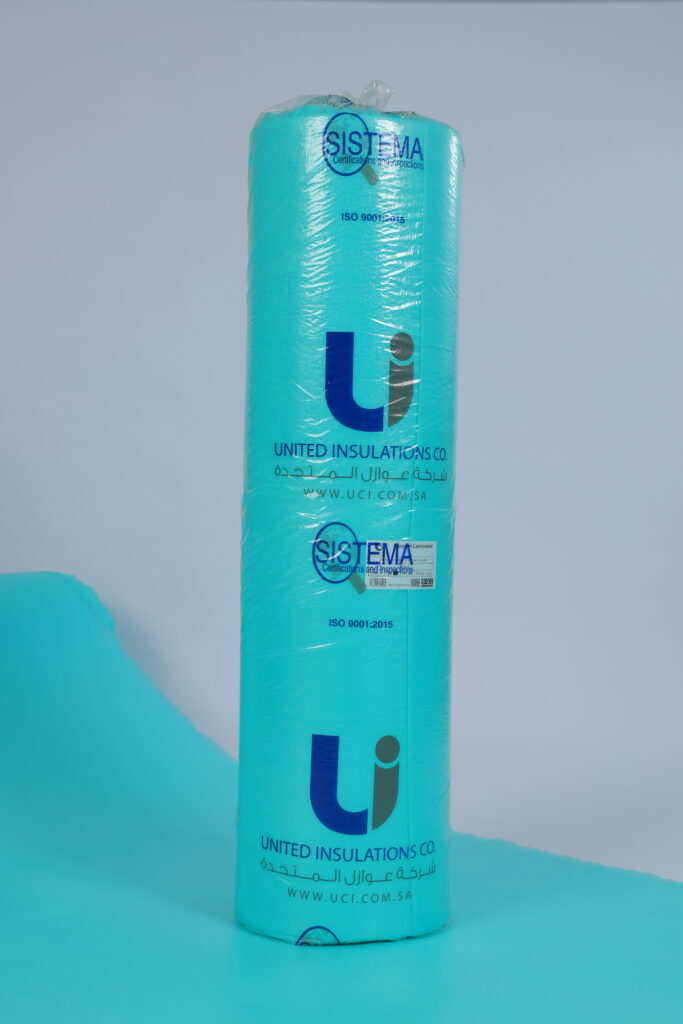
United Insulation Company (UCI) offers advanced solutions designed to improve sound insulation in buildings.
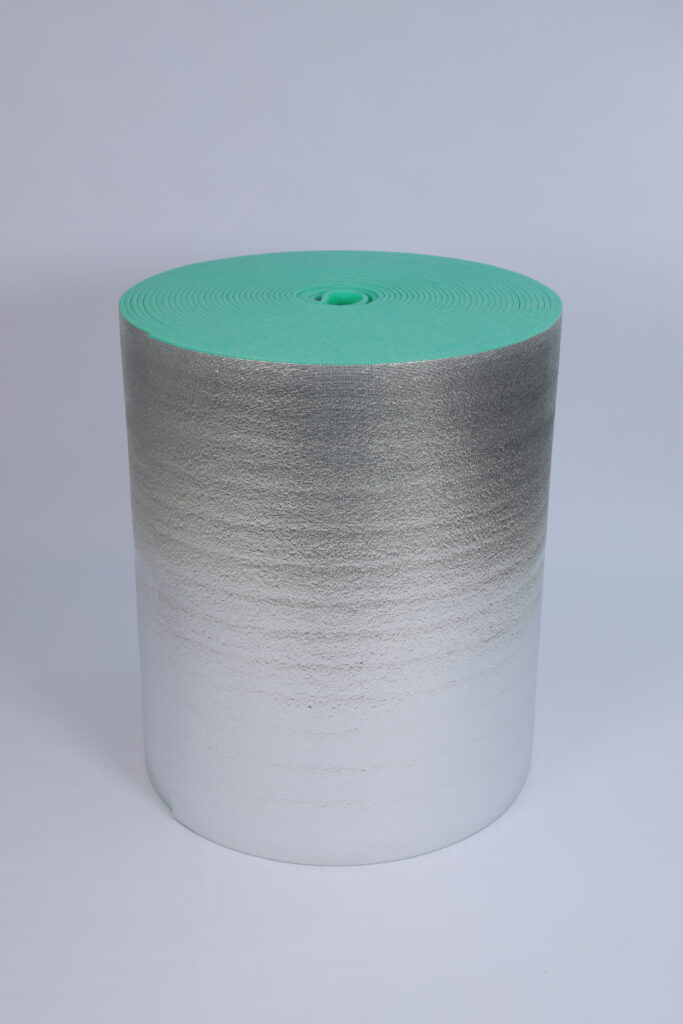
The company manufactures high-quality LDPE foam products according to international standards.
These products are designed to enhance both thermal and acoustic insulation
The company provides technical support for contractors and developers to ensure correct application.
Well-designed solutions deliver:
Sound insulation cannot eliminate noise completely, but it significantly reduces transmission.
Foam layers such as carpet and parquet underlays are among the best floor insulation solutions.
Yes, it reduces tenant complaints and improves quality of life.
Results appear immediately after proper installation.
The added cost is usually small compared to long-term benefits.
In modern real estate development, sound insulation in buildings is no longer a luxury but a key element of successful project design.
Buildings that provide quiet environments achieve:
That is why United Insulation Company (UCI) offers innovative solutions that help developers achieve superior project quality.
United Insulations Company (UCI) is a leading Saudi company specialized in manufacturing and supplying thermal and acoustic insulation solutions, as well as low-density foam products. The company is committed to the highest standards of quality and sustainability to support construction and industrial projects within the Kingdom and beyond.
Third Industrial City, P.O. Box: 22766 Jeddah-6838, Saudi Arabia
Sunday - Thursday 8AM : 5PM