Table of Contents
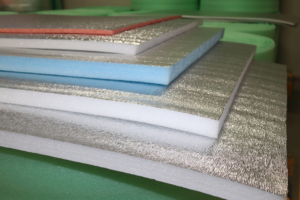
ToggleIn recent years, the Saudi market has witnessed significant growth in the use of types of foam across various sectors, from residential and commercial buildings to industrial projects and protective packaging solutions. Foam is no longer a secondary material; it has become a core component in improving energy efficiency, reducing noise, and protecting products and infrastructure.
This diversity aligns with Saudi Arabia’s national direction toward sustainability and enhanced construction quality, pushing insulation companies to develop advanced foam solutions that meet global standards—led by United Insulation Company (UCI).
These characteristics make foam insulation types the preferred solution in modern projects.
Saudi insulation companies play a key role in localizing foam manufacturing by adhering to national and international standards while delivering solutions aligned with Vision 2030. UCI stands as a leading example, offering locally manufactured products with precise specifications and reliable quality.
Polyethylene foam is one of the most widely used foam types in the Saudi market. Made from low-density polyethylene (LDPE), it features a closed-cell structure that provides high resistance to moisture and heat.
Polyethylene foam is used in:
Polyurethane foam is among the most powerful thermal insulation foams, offering high R-values that significantly reduce energy loss.
Despite its efficiency, polyurethane foam is more sensitive to moisture and less recyclable compared to polyethylene foam.
Soundproof foam types include:
Acoustic foam absorbs sound waves rather than reflecting them, reducing echo and noise.
Foam addresses internal echo, while structural insulation prevents sound transmission between spaces.
Polyethylene foam excels in flexibility and versatility.
In a market full of options, choosing the right foam is not based on price alone, but on quality, reliability, and durability. This is where United Insulation Company (UCI) stands out as a leading Saudi manufacturer, offering polyethylene foam that meets the needs of residential, commercial, and industrial projects alike.
UCI ensures that all polyethylene foam products comply with Saudi Standards, Metrology and Quality Organization (SASO) requirements, alongside global quality systems such as ISO 9001.
This certification guarantees:
Making UCI a trusted choice for contractors, developers, and construction companies.
With Saudi Arabia’s growing focus on sustainability, UCI’s polyethylene foam is a smart choice for environmentally responsible projects. It features:
Making it suitable for green building standards and Vision 2030 initiatives.
UCI understands that every project has unique requirements. Therefore, its polyethylene foam is available in:
This flexibility allows engineers and designers to choose the ideal solution without compromising quality.
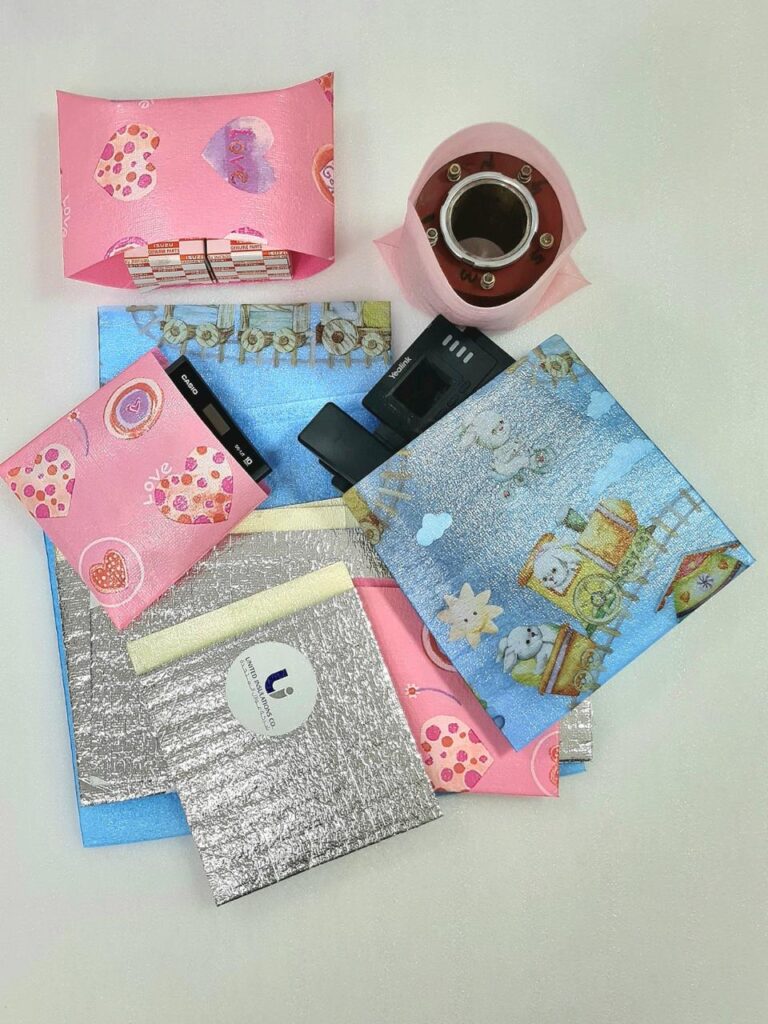
One of the strongest advantages of UCI’s polyethylene foam is its versatility, as it is used in manufacturing a wide range of products, including:
This versatility makes it a cost-effective and practical solution for businesses seeking one material for multiple applications.
The foam industry in Saudi Arabia is experiencing rapid development driven by urban expansion, higher energy-efficiency standards, and the national shift toward sustainability. Competition is no longer based solely on price or volume, but rather on innovation, environmental impact, and integration with modern construction technologies—a direction clearly reflected in the advanced foam solutions offered by leading local companies such as UCI.
Green foam has become one of the most prominent trends in the Saudi market, as government entities and real estate developers seek insulation and packaging materials that reduce carbon footprint and support sustainability concepts. This type of foam is characterized by:
UCI’s polyethylene foam represents a practical example of this trend, combining high performance with environmental responsibility.
With rising energy costs and increased awareness of building efficiency, the Saudi market is shifting toward smart insulation solutions that go beyond heat resistance to enhance overall building performance. This shift includes:
Advanced foam solutions play a crucial role in achieving this balance between operational efficiency and sustainability.
Saudi Vision 2030 supports the shift toward modern construction methods, such as prefabricated buildings, smart building systems, and advanced insulation technologies. Within this framework, foam has become an integral part of construction systems, integrated with:
National companies like UCI contribute to this transformation by offering locally manufactured foam products that support industrial self-sufficiency and enhance the quality of future projects.
The choice depends on project requirements, but Polyurethane Foam (PU) generally provides the highest thermal performance. If flexibility, water resistance, and recyclability are important, Polyethylene Foam (PE) is an excellent option for residential and industrial buildings.
Yes, especially Polyethylene Foam, which provides full protection for sensitive products during transport and storage, reducing scratches, impacts, and moisture. It is used in foam bags, sheets, and corner protectors for safeguarding delicate equipment and components.
Yes, Polyethylene Foam is highly resistant to water, most mild chemicals, and oils. This makes it suitable for use in warehouses, industrial buildings, and sensitive storage environments without affecting thermal or acoustic performance.
United Insulation Foam stands out due to:
These factors make UCI foam the ideal choice for companies and developers seeking long-term quality and sustainability.
With the wide variety of foam types available in the Saudi market, there is no one-size-fits-all solution. Choosing the right foam depends primarily on application requirements, operating environment, and performance needs—whether for thermal insulation, acoustic insulation, or protective packaging.
Making the right decision at this stage directly impacts project efficiency, reduces operational costs, and extends the lifespan of buildings or products.
To select the most suitable foam, a project must be evaluated from several technical and operational aspects, including:
Consulting a specialized company like UCI ensures accurate assessment and a tailored foam solution that balances quality and cost effectively.
United Insulation Company (UCI) holds a strong position in the Saudi market due to its industrial expertise, commitment to quality, and locally manufactured, integrated foam solutions. Beyond supplying products, UCI delivers well-engineered solutions tailored to project needs.
UCI stands out through:
All of this positions UCI as the ideal partner for companies, contractors, and developers seeking reliable, long-term insulation solutions.
United Insulations Company (UCI) is a leading Saudi company specialized in manufacturing and supplying thermal and acoustic insulation solutions, as well as low-density foam products. The company is committed to the highest standards of quality and sustainability to support construction and industrial projects within the Kingdom and beyond.
Third Industrial City, P.O. Box: 22766 Jeddah-6838, Saudi Arabia
Sunday - Thursday 8AM : 5PM