Thermal Insulation and Energy Saving in Factories
Table of Contents
Toggle
With the continuous rise in operational and energy costs, thermal insulation in factories has become one of the most critical strategic solutions for industrial facilities aiming to achieve energy savings and improve overall operational efficiency.
Insulation is no longer an optional engineering add-on—it is a direct investment that impacts profitability, sustainability, and the operational lifespan of industrial buildings.
At United Insulation Company (UCI), we believe that smart factory insulation solutions start with understanding real industrial challenges and delivering high-quality insulation products tailored specifically for industrial environments across Saudi Arabia.
Introduction – Why Do Energy Costs Increase in Factories?
Most factories suffer from rising electricity bills due to heavy usage of HVAC systems, production lines, and industrial equipment.
However, the hidden factor often overlooked is poor or absent thermal insulation in factories.
Energy efficiency studies indicate that non-insulated industrial facilities can lose 30–40% of total energy consumption—an amount significant enough to heavily impact operational costs.
Heat Loss in Industrial Buildings
Metal roofs, hangars, uninsulated walls, and expansion joints are major sources of heat loss or gain.
This inefficiency leads to:
- Continuous HVAC operation
- Increased stress on industrial equipment
- Temperature instability inside factories
- Reduced worker productivity
This is where industrial facility insulation becomes a critical solution.
The Role of Thermal Insulation in Energy Efficiency
Thermal insulation in factories plays a vital role in achieving industrial energy efficiency by reducing heat transfer and maintaining stable operational conditions.
Reducing HVAC Load
Proper insulation leads to:
- Energy consumption reduction of up to 25–40%
- Shorter HVAC operating cycles
- Lower maintenance costs
- Extended system lifespan
This makes energy saving in factories a measurable and achievable outcome
Temperature Stability
Industrial environments require stable temperatures to ensure:
- Product quality
- Equipment safety
- Worker comfort
Thermal insulation in factories prevents external temperature fluctuations—especially in Saudi Arabia’s hot climate.
Best Areas to Apply Insulation in Factories
Maximizing ROI starts with identifying the most energy-loss-prone areas within the facility.
Roofs and Hangars
Metal roofs and hangars are major heat gain sources.
Using hangar insulation made from LDPE foam significantly reduces heat transfer.

Walls and Production Lines
Uninsulated walls and heat-adjacent production lines require tailored insulation solutions to maintain consistent performance.
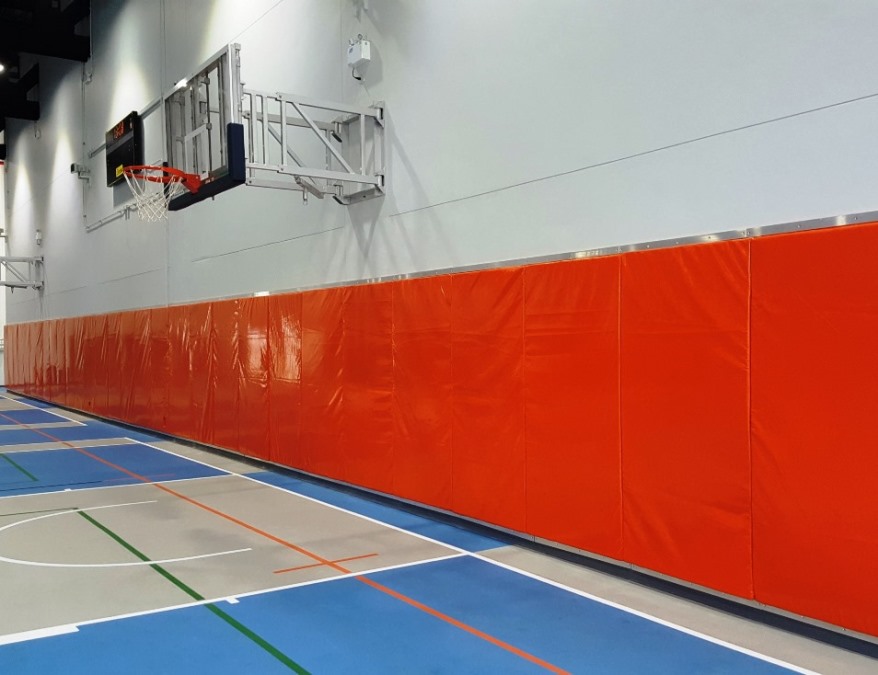
Insulation Products Suitable for Factories
At UCI, we provide a comprehensive range of locally manufactured industrial insulation solutions meeting global quality standards.
Low-Density Polyethylene Foam (LDPE Foam)
LDPE foam is among the most efficient materials for factory insulation due to:
- Excellent thermal and moisture resistance
- Lightweight and easy installation
- Long lifespan
- Compatibility with large industrial projects
Multi-Layer Insulation Systems
Composite insulation systems are ideal for high-thermal-load factories, combining:
- Insulation foam
- Protective layers
- Expansion joint solutions
Quality Certifications – ISO 9001
UCI’s ISO 9001 certification reflects our commitment to quality management, continuous improvement, and customer satisfaction across all operations.
Frequently Asked Questions (FAQ)
Yes. Thermal insulation in factories significantly lowers electricity consumption by reducing HVAC load—savings can reach up to 40%.
It depends on factory requirements, but LDPE foam insulation is one of the most efficient and widely used solutions in industrial environments.
Conclusion – Insulation Is a Direct Investment in Cost Reduction
In the industrial sector, every decision must deliver measurable returns.
Investing in thermal insulation for factories is not an added cost—it is a strategic move that results in:
- Lower energy consumption
- Improved operational efficiency
- Extended building and equipment lifespan
- Enhanced sustainability aligned with Vision 2030
At UCI, we support you from assessment to execution with reliable, locally manufactured industrial insulation solutions.
Related posts:
 Thermal Insulation for Warehouses – Practical Solutions to Reduce Energy Loss
 Industrial Insulation in Saudi Arabia – Advanced Energy Efficiency Solutions for Modern Projects
 Thermal Insulation in Buildings – Types and Best Materials Used in Saudi Arabia
 Thermal Insulation for Concrete Roofs – Best Methods and Materials