Modern agricultural projects require integrated solutions that go beyond water supply and irrigation systems to protect the infrastructure on which these projects depend. Protection Boards for agricultural projects play an important role in waterproofing systems, particularly in irrigation ponds, agricultural water tanks, irrigation channels, and modern greenhouse facilities.
A Protection Board does not replace the waterproofing system. Instead, it acts as a supporting layer designed to protect the waterproofing membrane from factors that may cause punctures, tears, or performance deterioration over time. Therefore, selecting the right protection material and installing it correctly can be an essential part of designing a more efficient and sustainable agricultural project.
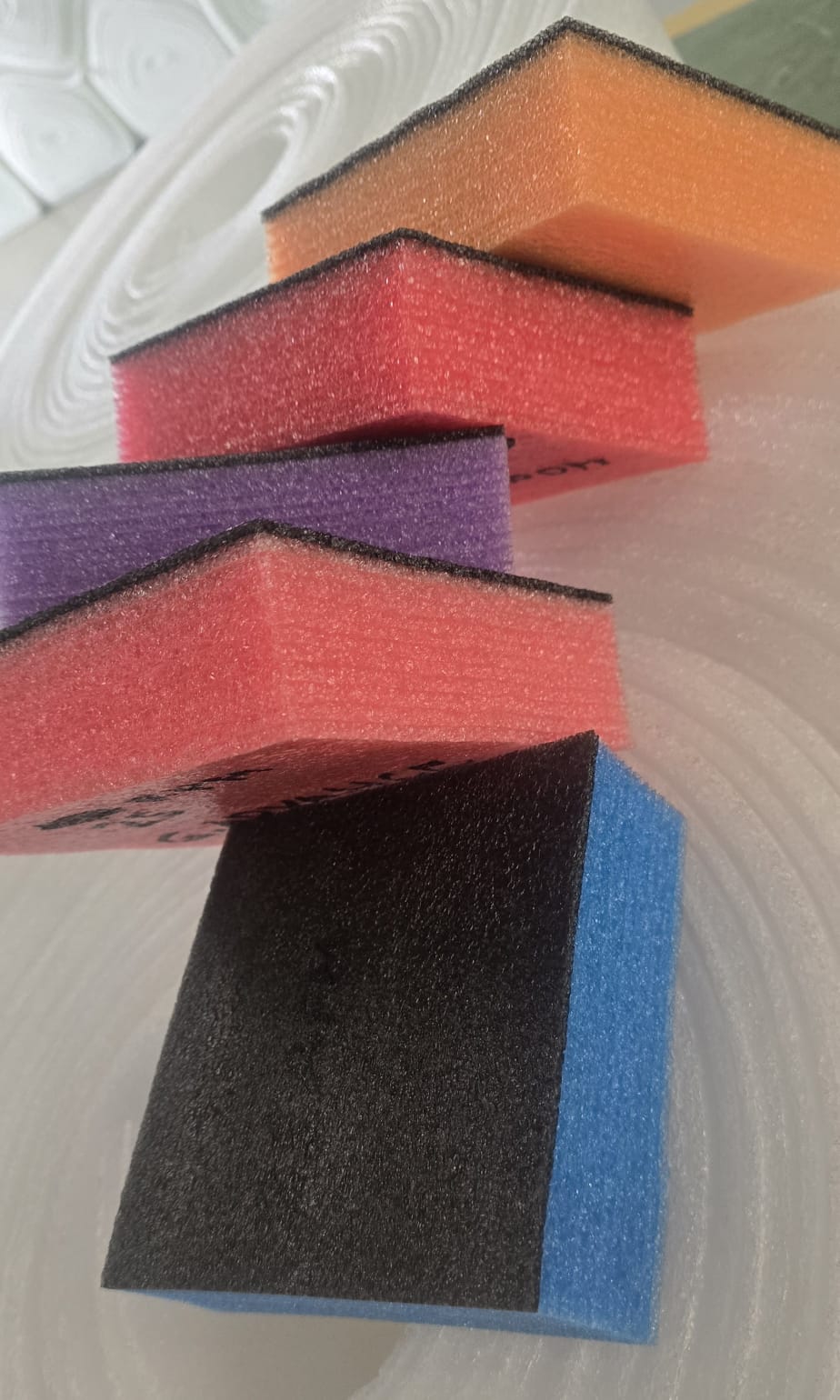
Saudi Arabia’s agricultural sector is increasingly adopting protected agriculture, modern greenhouse technologies, advanced irrigation systems, and water storage and collection facilities. As these technologies continue to develop, protecting water resources and the infrastructure supporting them has become an important factor in improving agricultural efficiency and reducing operational losses.
Many modern agricultural projects rely on waterproofing membranes and insulation materials to prevent water from penetrating the surrounding soil or structural layers. However, despite their importance, these membranes can be vulnerable to damage during installation or operation if they are not adequately protected.
This is where Protection Board for greenhouse and agricultural projects becomes valuable. It provides an additional protective layer that helps reduce the risk of waterproofing damage caused by friction, pressure, equipment movement, or sharp objects located above or near the waterproofing layer.
Agricultural facilities differ from many conventional applications because they are continuously exposed to water. Irrigation ponds, tanks, and channels may operate for long periods in wet environments, while greenhouses are exposed to frequent irrigation cycles and elevated humidity levels.
Water leakage is therefore one of the key issues that should be addressed proactively. Damaged waterproofing may result in the loss of stored or transported water and can also affect surrounding soil or structural layers, depending on the site conditions and project design.
Protecting waterproofing is therefore not merely an optional finishing step. It is part of the risk-management strategy for projects that depend heavily on continuous water use.
Waterproofing systems in agricultural projects can face operating conditions that differ from conventional buildings. In addition to water, certain areas may be exposed to liquid fertilizers or agricultural solutions, making material selection a technical consideration that should be evaluated according to the intended application.
A suitable protection layer helps reduce the waterproofing membrane’s exposure to mechanical stresses that may occur during installation, maintenance, or operation. However, the protection material should always be evaluated for compatibility with the waterproofing system and the chemicals expected in the project before approval.
Greenhouses can experience significant temperature variations between daytime and nighttime, in addition to high temperatures during the Saudi summer. Such conditions can increase the stresses placed on materials installed within or around the facility.
When selecting Protection Boards for modern agricultural projects, it is therefore important to consider the material’s ability to maintain its properties under expected operating conditions rather than evaluating its performance only under ideal circumstances.
A small amount of water loss caused by a minor leak may appear insignificant, but the impact becomes more important when leakage occurs continuously or in a large project with substantial water requirements.
Water leakage can result in unwanted saturation of certain soil layers or affect areas surrounding the facility, depending on soil conditions, drainage systems, and project design. Preventing waterproofing damage can therefore help reduce one potential source of risk.
Irrigation ponds and agricultural water tanks are used to store and manage water according to project requirements. In many applications, waterproofing systems are installed to help prevent leakage.
However, waterproofing membranes can be damaged by gravel, tools, installation activities, or movement over the surface. A Protection Board acts as a protective barrier that helps reduce the membrane’s exposure to such impacts.
Its primary value lies in creating a separation layer between the waterproofing membrane and external factors, helping preserve system integrity and reducing the likelihood of premature repairs.
Irrigation channels are an important part of transporting water between different areas of an agricultural project. Waterproofing layers inside these channels may be exposed to friction, pressure, or movement during construction and maintenance activities.
Using an appropriate protection layer can reduce direct contact between the waterproofing and potential sources of friction, particularly in areas subject to repeated work or where additional layers are installed over the membrane.
The purpose of a Protection Board is not limited to preventing immediate damage. It can also contribute to maintaining the waterproofing system’s performance for a longer period. Reducing mechanical exposure can help minimize certain causes of premature deterioration.
For large agricultural projects, protecting infrastructure components can positively affect maintenance costs, operational continuity, and water-resource management.
Protection Boards for agricultural projects can be used in a range of applications involving waterproofing systems or requiring protection against loads and friction. The final application depends on the project design, waterproofing system, and site conditions.
Irrigation collection ponds require suitable waterproofing systems to help prevent leakage and retain stored water. A protection layer can be used to protect the waterproofing system from mechanical damage during construction or operation, subject to the approved design.
In agricultural water tanks, a protection board may form part of a multilayer system designed to protect waterproofing from pressure, friction, and external factors.
Product selection should be based on the tank configuration, waterproofing type, temperature conditions, surrounding materials, and project specifications.
Greenhouse flooring systems vary from project to project. Certain applications may require additional protection for layers beneath the floor, particularly in areas exposed to equipment movement or repeated maintenance activities.
An appropriate protection layer can help reduce direct friction and protect waterproofing from certain forms of damage associated with daily operations.
In large-scale irrigation projects, water distribution channels may extend over long distances between production areas. Protecting waterproofing layers from damage can therefore be important for maintaining system performance.
There is no single protection board suitable for every agricultural project. The correct choice depends on factors such as waterproofing type, installation location, expected loads, chemical exposure, temperature conditions, and installation method.
Projects involving fertilizers or agricultural solutions require materials that have been evaluated for compatibility with the operating environment. It should not be assumed that all protection materials offer the same level of chemical resistance.
The product’s technical specifications should therefore be reviewed and compared with the actual substances used in the project before procurement or approval.
In the Saudi environment, temperature can be an important consideration when selecting materials for agricultural projects. The protection layer should have properties suitable for the expected operating conditions.
This includes evaluating the temperature range, layer location, direct solar exposure, and whether the protection layer is installed above or below ground.
Agricultural or maintenance equipment may operate in certain project areas, creating additional loads and friction on underlying layers.
The protection board’s properties should therefore correspond to the expected level of use. In applications involving significant loads, specifications should be determined in coordination with the project’s engineer or consultant.
A Protection Board does not itself waterproof a structure if the underlying waterproofing system is improperly designed or installed. However, it helps protect the waterproofing membrane from mechanical damage that could create weak points in the system.
This is particularly important in agricultural projects that store or transport significant volumes of water, as maintaining waterproofing integrity is part of effective water management.
Modern irrigation systems require infrastructure capable of performing efficiently over the long term. Protecting system components from premature damage can help reduce unplanned repairs and replacements.
Protection Boards provide a preventive solution that can be incorporated into the design from the beginning rather than waiting for problems to appear and addressing their consequences afterward.
Sustainability in agriculture requires integrated management of water, resources, and infrastructure. Measures that help protect water systems and reduce unplanned maintenance can therefore support long-term project sustainability.
Large-scale production farms integrate multiple components, including water tanks, collection ponds, irrigation networks, distribution channels, and storage areas. Each component requires technical consideration appropriate to its function and operating conditions.
Protection Boards for agricultural projects can form part of solutions designed to protect waterproofing systems in such facilities, particularly where additional mechanical protection is required.
Greenhouse projects require control of several factors, including water, humidity, and temperature. As protected agriculture expands, selecting materials suitable for both the internal and external project environment becomes increasingly important.
This is where Protection Board solutions for greenhouses can play a role in protecting waterproofing layers in specific project areas according to the engineering design.
Large agricultural developments may connect irrigation systems with water treatment, desalination, and storage facilities. Such infrastructure requires precise material specifications, particularly when waterproofing systems are part of water-storage structures.
Protection board selection should be determined according to the facility type, waterproofing system, consultant requirements, operating conditions, and project-specific technical specifications.
Selecting a protection board without evaluating project requirements can lead to results that do not achieve the intended objective. One of the most common mistakes is treating protection boards as generic products suitable for every application.
Price may be an important factor in any project, but it should not be the only consideration. Technical properties, expected service life, compatibility with the waterproofing system, and application requirements should also be evaluated.
If an area is exposed to equipment movement or mechanical loads, the protection board should be selected according to those conditions.
A key mistake is using materials that are incompatible with one another. The relationship between the waterproofing membrane, protection board, and other system layers should therefore be evaluated.
Even high-quality products may not deliver their expected performance if they are not installed according to manufacturer instructions, drawings, and approved specifications.
Involving the technical consultant early is preferable to attempting to add protection after the waterproofing system has already been installed. Early coordination helps determine suitable thicknesses, materials, and installation methods.
Selecting the right Protection Board should begin with understanding the project rather than simply choosing a product. The following practical steps can help procurement teams, consultants, and contractors identify a suitable solution.
Is the application for a collection pond, water tank, irrigation channel, greenhouse floor, or another facility?
Identify the waterproofing membrane or system being used and verify compatibility with the proposed protection board.
The following conditions should be evaluated:
A product should not be approved before reviewing its technical data and comparing it with the project requirements and consultant specifications.
Early coordination helps ensure that the selected product is compatible with the installation method and the overall layer sequence.
United Insulation Company (UCI) provides specialized insulation and protection solutions, with a focus on manufacturing quality, precision, and meeting the requirements of different projects.
The value of the right solution begins with understanding the application and then determining the required product characteristics according to project conditions, rather than using one product for every situation.
When using Protection Board in an agricultural environment, priority should be given to selecting a material suitable for the application, including continuous moisture, friction, operating conditions, and potential exposure to agricultural substances.
UCI provides solutions that can be evaluated for agricultural projects according to technical requirements. The application, waterproofing system, and operating conditions should be defined before final specifications are approved.
Agricultural consulting offices require accurate technical information when preparing specifications or evaluating proposed materials. Technical support and coordination with the supplier are therefore important parts of the selection process.
Project requirements can be evaluated based on application, waterproofing system, loads, and environmental conditions before identifying a suitable solution based on technical data.
Government projects and major agricultural investments require a high level of organization in specifications, procurement, and quality. Working with a specialized supplier can help streamline product evaluation, approval, and supply according to project requirements.
UCI’s solutions are designed to serve different market requirements, from contractors and consultants to investors and large agricultural developments, with a focus on reliable insulation and protection solutions.
Protection Boards for agricultural projects are an important component of waterproofing protection systems used in irrigation, greenhouse, water storage, and water collection facilities. They do not replace waterproofing; instead, they work alongside it to reduce mechanical damage risks and help maintain system performance.
As modern agriculture expands and efficient irrigation systems become increasingly important, protecting water infrastructure has become part of strategic agricultural project design. Investing in appropriate protection from the beginning can help reduce unplanned maintenance risks and support operational continuity.
If you are developing an agricultural project, modern greenhouse, or water collection and storage system, the protection board should be selected based on a comprehensive technical assessment covering the waterproofing system, operating conditions, loads, and surrounding materials.
Contact United Insulation Company to discuss your agricultural project’s requirements and identify a suitable solution based on its technical specifications.
Chemical resistance depends on the protection board’s formulation and technical specifications. The product data should therefore be reviewed to verify compatibility with the fertilizers or chemicals used in the project before approval.
Protection Board acts as a separating and protective layer between the waterproofing membrane and potential mechanical stresses such as friction, pressure, and certain types of construction or operational damage. This can help reduce the risk of membrane damage.
Protection Board can be used in certain greenhouse applications where waterproofing layers require additional mechanical protection. Suitability depends on the greenhouse design, protection layer location, waterproofing system, and operating conditions.
It can contribute indirectly by protecting the waterproofing system from certain types of mechanical damage that could create weak points and leakage. Complete leak prevention, however, depends on the design and installation of the overall waterproofing system.
Project requirements can be evaluated for both government and private developments, with solutions provided according to the required technical specifications, including agricultural investments and projects requiring specialized waterproofing and protection systems.
Waterproofing is the layer or system responsible for limiting water penetration, while Protection Board is a protective layer designed to help shield the waterproofing from mechanical or operational factors. The two serve different but complementary functions.
It can be used in certain irrigation-channel designs where additional waterproofing protection is required. The application method and material properties should be determined according to the channel design, waterproofing system, and expected loads.
Key factors include the waterproofing type, temperature, moisture, loads, friction, equipment movement, potential chemical exposure, and installation method. The product’s technical specifications should also be reviewed before approval.