When designing a residential or commercial project, choosing the right Parquet Underlay vs Carpet Underlay is crucial to ensure user comfort and building efficiency. A solution suitable for a residential apartment may not meet the demands of a busy commercial complex due to differences in usage and performance requirements.
Residential projects usually have a limited number of occupants and low foot traffic, while commercial projects face high foot traffic. Each type requires selecting an underlay that suits its actual usage.
When designing a residential or commercial project, choosing the right Parquet Underlay vs Carpet Underlay is crucial to ensure user comfort and building efficiency. A solution suitable for a residential apartment may not meet the demands of a busy commercial complex due to differences in usage and performance requirements.
In residential projects, acoustic and thermal comfort is prioritized, whereas in commercial projects, durability and long-term wear resistance are key. Choosing an unsuitable underlay may lead to issues such as floor vibrations or rapid foam wear.
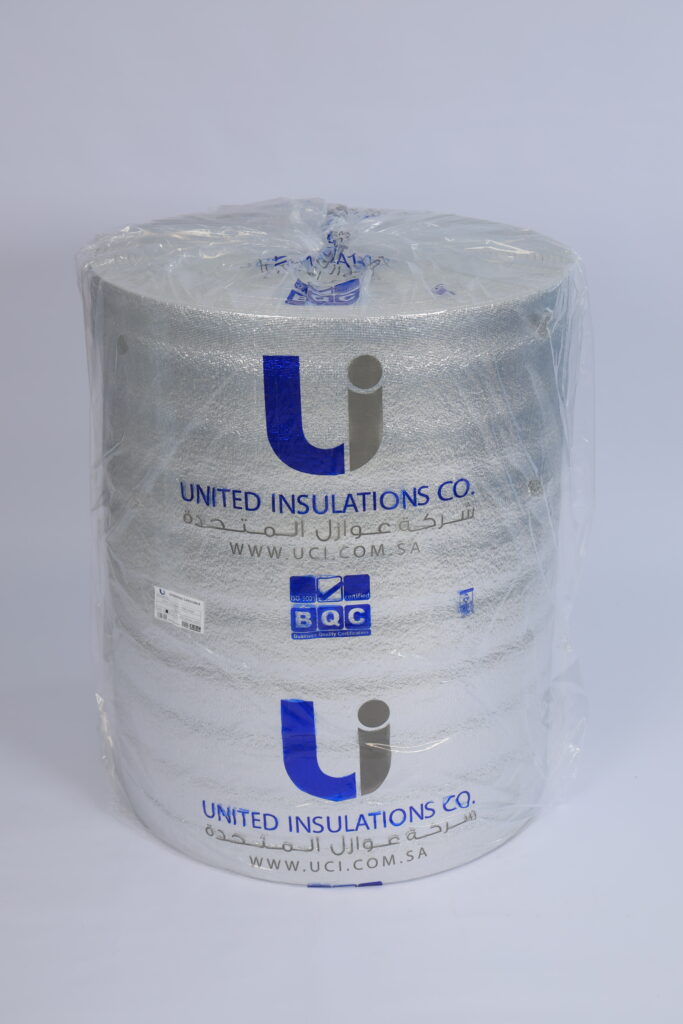
Proper underlay ensures a comfortable walking surface and reduces hardness perception. Carpet Underlay adds extra softness beneath carpets, making homes warmer and more comfortable.
Parquet Underlay vs Carpet Underlay reduces sound transmission between floors, maintaining privacy and minimizing noise, especially in multi-story apartments.
Choosing high-quality materials like LDPE Foam ensures long-lasting performance, protecting floors from moisture and cracks, and extending their lifespan.
Commercial buildings like offices and hotels require underlays that withstand constant pressure and heavy foot traffic. Strong Parquet Underlay is designed to handle intense use.
Commercial floors experience greater wear than residential ones. High-quality underlays reduce maintenance needs and ensure consistent floor performance over time.
.
Effective underlays minimize vibrations or noise issues that may affect clients’ or employees’ experience. Investing in the right underlay enhances satisfaction and reduces complaints.
Carpet Underlay: enhances comfort and reduces sound, ideal for residential spaces.
Parquet Underlay: provides strong support for wooden floors, moisture and wear-resistant, suitable for commercial projects.
Parquet underlay may cost more than carpet underlay, but long-term investment in commercial projects reduces maintenance and floor replacement frequency.
.

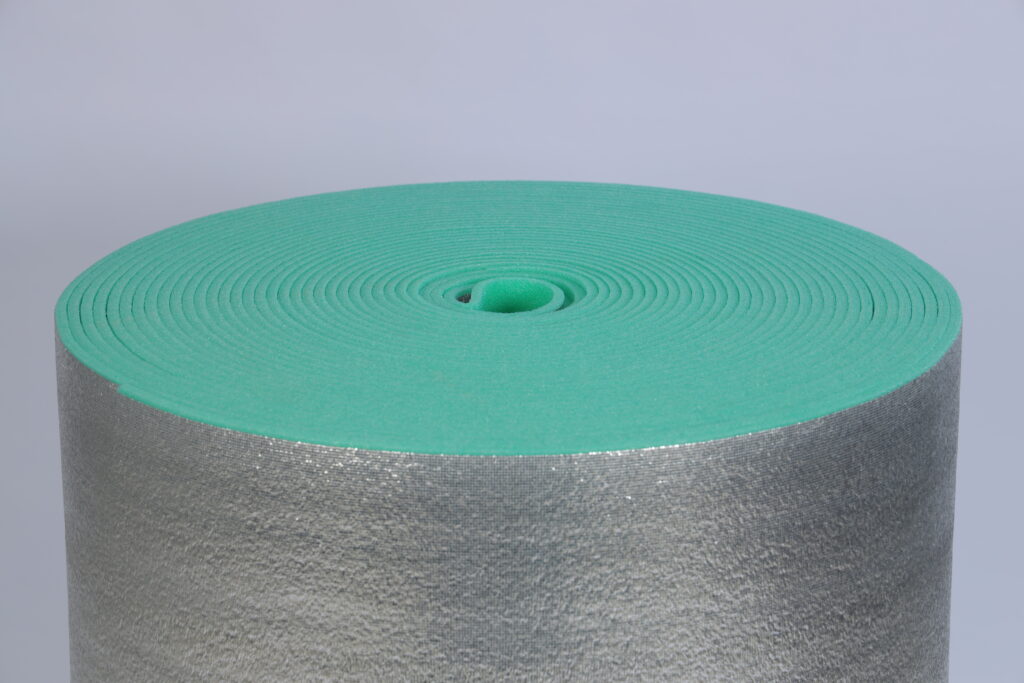
Using the same underlay for all projects leads to performance and comfort issues. Selection must match project type and requirements.
Ignoring foot traffic or floor type results in wrong underlay selection, increasing long-term costs.
Selecting the right Parquet Underlay vs Carpet Underlay depends on project nature and usage. Residential projects prioritize comfort and sound, while commercial projects focus on durability and long-term performance. Investing in the right solution protects floors, enhances satisfaction, and reduces long-term costs.Ignoring foot traffic or floor type results in wrong underlay selection, increasing long-term costs.
Can Parquet Underlay be used in commercial projects?
Yes, it is designed to withstand heavy traffic and continuous pressure, extending floor life.
When is Carpet Underlay the best choice?
In residential projects where comfort and sound insulation are priorities, such as apartments and villas.
Does the thickness vary between residential and commercial?
Yes, commercial projects often require thicker underlays to withstand heavy traffic.
How does the underlay affect project cost?
Choosing high-quality underlay reduces maintenance and floor replacement, saving long-term costs.
Does underlay affect floor height?
Yes, but the difference is usually minor and can be adjusted during installation for optimal performance.
What is the most common mistake in projects?
Generalizing the solution and using the same underlay for all projects without considering usage.
Get a consultation to choose the right underlay
 Carpet Underlay – The Difference Between Commercial and Standard Quality in Flooring
 How Does an Engineer Choose the Right Parquet and Carpet Underlay for a Project?
 Parquet Underlay – The Hidden Factor That Defines the Quality of Modern Flooring Projects
 Parquet Underlay in Real Estate Projects – A Small Decision with a Big Return