Many industrial and construction projects experience product damage during transportation or storage despite allocating sufficient budgets for packaging. In most cases, the issue is not the quality of the product itself, but rather inadequate packaging specifications defined within the project requirements.
The issue often becomes visible once shipments arrive at the project site. Scratches, cracks, impact damage, or moisture-related defects start to appear, revealing that the packaging specifications outlined in the tender document were insufficient to protect the products.
Insufficient packaging specifications can result in:
Ultimately, these issues directly impact project profitability.
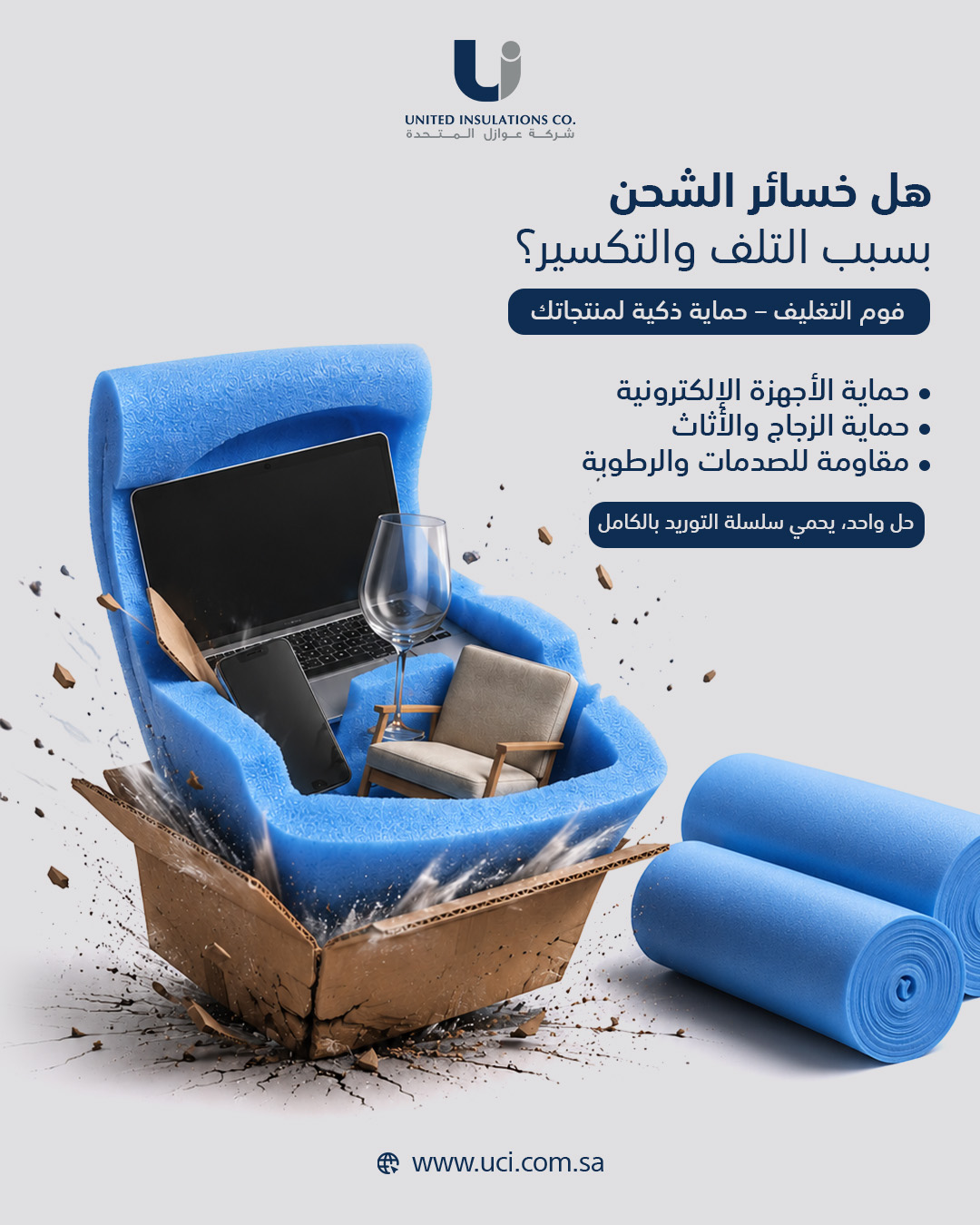
Many organizations focus on purchasing packaging materials at the lowest cost. However, the real objective is complete product protection. Foam sheets, protective corners, and cushioning materials should be considered part of a comprehensive risk management strategy rather than simple procurement items.
Many project specifications simply state “foam packaging” without defining thickness, density, impact resistance, or moisture resistance. These seemingly minor details determine the actual level of protection provided.
Project packaging specifications are a set of technical requirements that define packaging materials, performance characteristics, and protection standards to ensure product safety throughout the supply chain.
Technical specifications help reduce the risk of damage caused by:
Every project includes operational and logistical risks. Well-defined packaging specifications significantly reduce transportation and storage risks, helping maintain project quality and timelines.
While packaging materials may seem like an additional expense, they are actually an investment that reduces:
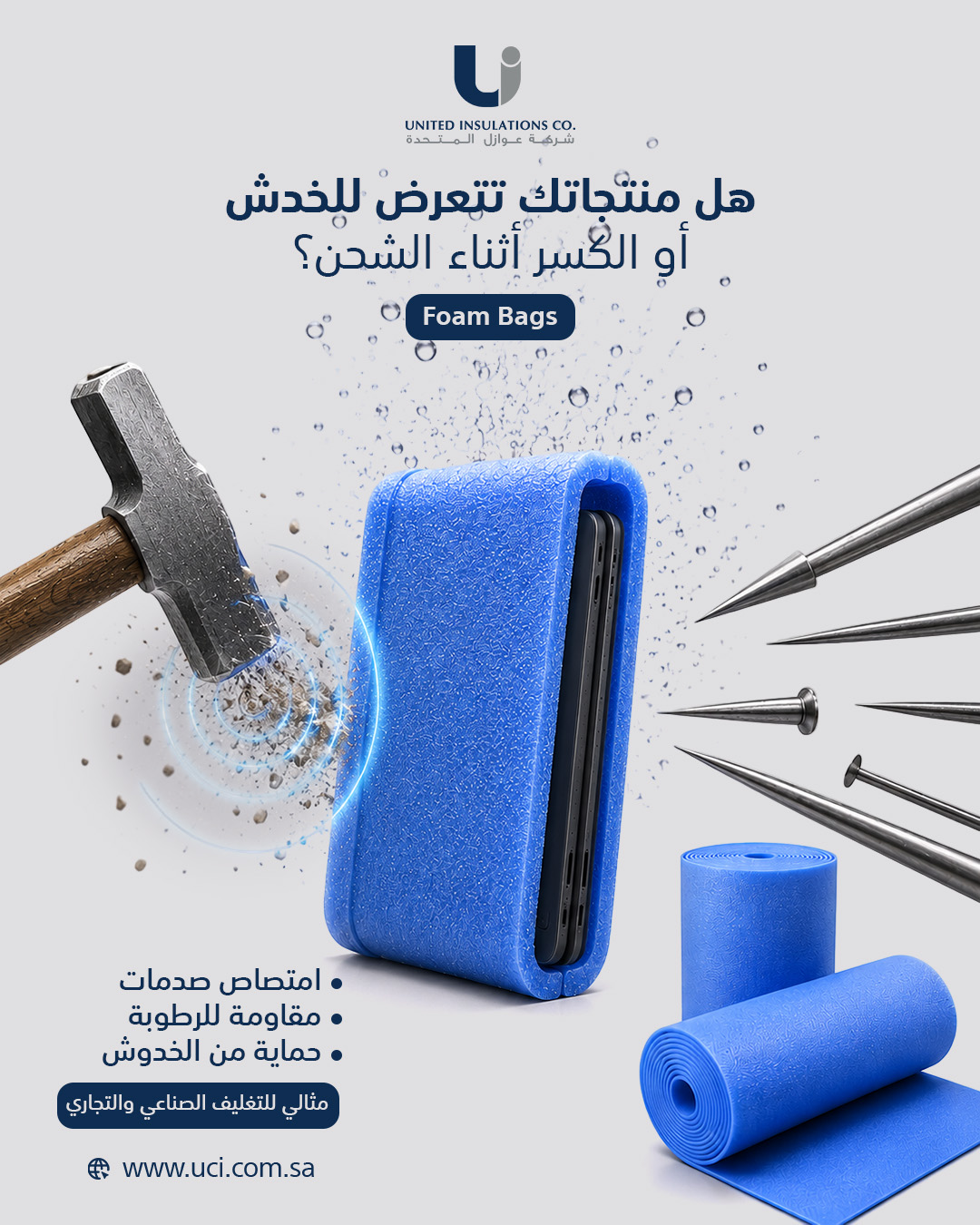
Transportation damage is one of the most common issues in industrial projects. In many cases, it results from selecting unsuitable packaging foam or failing to specify the required density and thickness.
Every replacement creates additional expenses, including transportation, warehousing, labor, and customer service costs.
Products damaged due to inadequate packaging often lead to warranty claims, even when the product itself is manufactured correctly.
Damaged equipment or materials can delay installation and commissioning activities, impacting the overall project schedule.
Losses caused by poor packaging often exceed the cost of packaging materials many times over. This makes accurate packaging specifications one of the most effective cost-control tools in modern projects.
United Insulation (UCI) is a Saudi manufacturer specializing in Low-Density Polyethylene (LDPE) Foam products and advanced packaging protection solutions. The company operates according to international quality standards and is certified under ISO 9001 Quality Management Systems, ensuring reliable solutions for industrial, commercial, and residential projects.
A specification document serves as the primary reference suppliers use when preparing technical and commercial proposals. Any missing packaging requirements can lead to inconsistent material quality and increased risk of product damage during transportation and storage.
Tender documents should clearly define the required packaging material. Simply specifying “foam packaging” is not enough to ensure the desired level of protection.
Low-Density Polyethylene (LDPE) Foam is one of the most widely used materials for industrial products, electrical equipment, and furniture packaging due to its flexibility, shock absorption properties, and moisture resistance.
Foam corners are designed to protect vulnerable edges and corners from impact, scratches, and breakage during handling and transportation.
Foam sheets are commonly used as cushioning layers between products or between the product and the outer packaging to minimize friction and impact damage.
Thickness is one of the most critical specifications and should be selected according to the product’s weight, dimensions, and sensitivity.
Common examples:
Density determines the foam’s ability to absorb impacts and withstand compression.
Higher density generally provides:
Specifications should define minimum impact resistance requirements, particularly when packaging electrical equipment or sensitive products.
Products are frequently exposed to varying humidity levels during storage and transportation, making moisture resistance a critical packaging requirement.
Specifying only “foam packaging” leaves room for suppliers to provide products with vastly different performance characteristics and quality levels.
Specifications should include:
The required thickness depends on the product type and the level of protection needed.
| Product Type | Recommended Thickness |
|---|---|
| Lightweight Products | 2-3 mm |
| Furniture | 5-10 mm |
| Industrial Equipment | 10-20 mm |
Density should be specified using measurable technical values to ensure consistency among suppliers.
Foam sheets should protect sensitive surfaces from abrasion and scratches during transportation.
For projects involving long-term storage or maritime transportation, moisture resistance becomes essential.
Low-Density Polyethylene (LDPE) Foam with a thickness of 10 mm and a minimum density of 30 kg/m³, offering moisture resistance and impact protection for industrial equipment packaging.
Foam corners become essential whenever products have exposed edges vulnerable to damage.
Glass and furniture are among the most damage-prone products during transportation, particularly at the corners.
Foam corners provide an additional layer of protection for sensitive electrical panel edges.
High-value industrial equipment requires enhanced protection during transportation and warehousing.
Specifications should include:
These internal links improve user navigation, strengthen topical authority, and support SEO performance.
Electrical and electromechanical projects are among the most sensitive in terms of transportation and storage due to their delicate and easily damageable components.
Electrical panels require multi-layer packaging that includes internal foam and corner protection to reduce vibration and impact effects.
Transformers require high-density foam to ensure stability during transport and prevent any internal movement inside the packaging box.
Cables require packaging that prevents tangling and excessive bending, which could damage performance.
Appropriate thickness foam should be used to prevent scratches during handling and storage.
Corners are the most vulnerable parts of furniture, making foam corners essential in packaging design.
Multiple foam layers are used to separate surfaces and prevent direct friction between items.
Improving packaging specifications significantly reduces return rates by minimizing damage and scratches.
Suppliers should hold certifications such as ISO 9001 to ensure compliance with quality standards.
Testing includes density measurement, compression resistance, and shock absorption before approval.
These certificates confirm that the product meets the technical specifications stated in the tender document.
Samples should be tested practically before final supplier approval.
Choosing the cheapest packaging material often leads to higher long-term losses.
Density is the primary factor determining protection quality.
Failing to specify this factor leads to damage of sensitive products.
Using irrelevant specifications copied from other projects results in poor outcomes.
Because they lack precise technical details such as density, thickness, and real performance standards.
The company provides detailed technical data to help prepare accurate tender specifications.
Samples help evaluate performance before final material approval.
Collaboration with consultants ensures technical accuracy in specifications.
Providing consultation to select suitable materials based on project type.
Because correct specification decisions reduce total cost and prevent future losses.
Product damage exceeded 18% due to low-quality foam usage.
Damage rates dropped to below 4% within the first three months.
Accurate packaging specifications are not an extra cost but a direct investment in reducing losses and improving efficiency.
Because the tender document defines the final quality level of packaging materials used in the project.
Through precise definition of foam materials, thickness, density, and protective corners.
Because a reliable supplier ensures specifications are implemented without quality reduction or material substitution.
Start by reviewing your current tender documents, identify weaknesses in packaging specifications, and consult a specialized provider to improve them.