Table of Contents
ToggleEven with premium concrete mixes and high execution standards, expansion joints in construction remain a critical yet often overlooked factor. Cracks don’t always indicate weak concrete; they are often the natural result of unaccounted material movement.
All construction materials expand and contract over time. Concrete, steel, and even flooring systems respond to environmental changes.
In regions like Saudi Arabia, extreme temperature fluctuations cause continuous expansion and contraction cycles.
Cracks are not the core problem—they are a symptom of missing solutions like properly designed expansion joints.
Cracks are not the core problem—they are a symptom of missing solutions like properly designed expansion joints.
Insulation blocks heat or sound, while expansion joints manage structural movement.
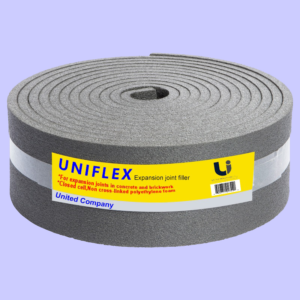
Used in concrete slabs to reduce cracking caused by continuous movement.
Prevent stress transfer between wall sections.
Essential in large spans to avoid structural deformation.
Essential in large spans to avoid structural deformation.
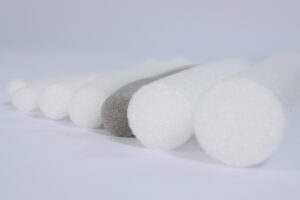
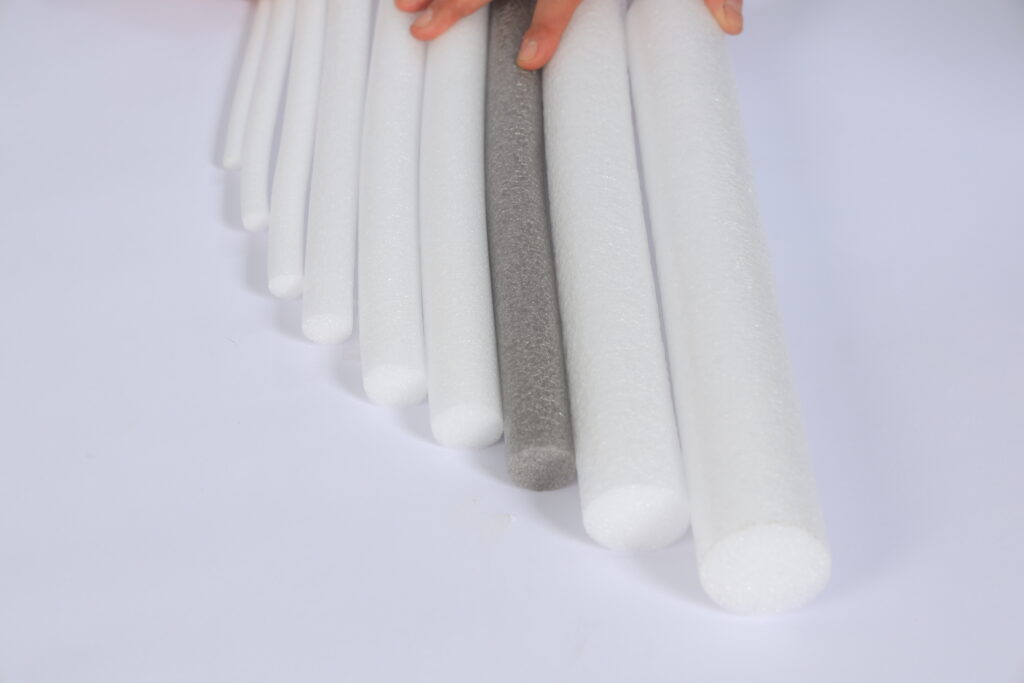
Backer Rod acts as a barrier preventing sealant leakage.
It ensures proper sealant distribution, improving joint insulation efficiency.
Using improper materials leads to joint failure.
Even the best materials fail with poor installation.
UCI provides high-quality foam expansion joints ensuring flexibility and durability.
Backer Rod products are engineered for long-term performance.
Yes, especially for large or temperature-sensitive projects.
During design or early construction stages.
Depends on location and application.v
They significantly reduce but don’t eliminate cracks entirely.
Yes, but with higher cost and lower efficiency.
Ultimately, expansion joints in construction are among the most critical unseen protection elements. Ignoring them leads to costly issues, while investing in them ensures long-term sustainability and performance.
United Insulations Company (UCI) is a leading Saudi company specialized in manufacturing and supplying thermal and acoustic insulation solutions, as well as low-density foam products. The company is committed to the highest standards of quality and sustainability to support construction and industrial projects within the Kingdom and beyond.
Third Industrial City, P.O. Box: 22766 Jeddah-6838, Saudi Arabia
Sunday - Thursday 8AM : 5PM