Installing parquet floors may seem straightforward, but in reality, common mistakes in parquet underlay installation can significantly shorten floor longevity. Even when using high-quality parquet, neglecting proper underlay procedures can cause squeaking, cracking, and material wear. In this article, we reveal the most critical errors and how to avoid them, ensuring long-term investment in your residential or commercial projects.
One of the main reasons for floor failure is improper underlay installation. Floors installed without proper joint sealing or disregarding underlay guidelines face long-term issues.
Some teams rush installation without following the parquet underlay manufacturer’s instructions, resulting in floor insulation failure, even if the parquet itself is high quality.
Problems may appear months after installation, such as squeaking or floor cracking, often caused by initial errors in underlay installation that went unnoticed.
The underlay aims to provide thermal and acoustic stability for the floor while reducing effects from moisture or temperature changes. Using an unsuitable underlay can cause issues even with excellent parquet.
The right underlay maintains floor stability and prevents wooden panels from moving, reducing the risk of parquet cracking or unwanted noises.
Even the best parquet cannot compensate for poor underlay installation. Floors will experience long-term issues if the underlay is not high-quality and properly installed.
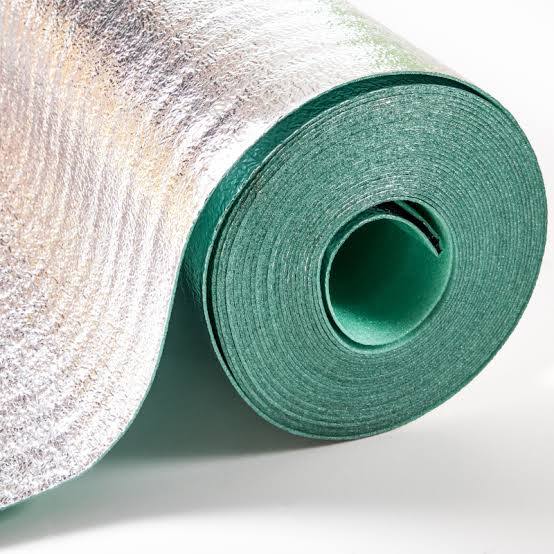
The subfloor must be level before placing the underlay. Any slope or unevenness results in floor insulation failure and parquet instability.
Moisture beneath the floor causes serious issues like cracking and mold. Address any moisture before installing Parquet Underlay.
Choosing the wrong underlay thickness affects thermal and acoustic performance and increases the risk of floor insulation failure.
Even before laying the underlay, errors in assessment and measurements lead to problems that are difficult to fix after installation.
Failure to secure underlay joints leaves gaps that cause wooden panels to move and produce squeaking sounds.
Any gaps between underlay layers or incorrect overlaps reduce insulation effectiveness and accelerate floor wear.
Installing the underlay in the wrong direction can reduce floor stability and thermal performance.
The floor becomes less resistant to moisture and impacts, squeaks appear quickly, increasing long-term maintenance costs.
Placing furniture or heavy traffic before drying or final fixing causes floor distortion and insulation failure.
Skipping underlay and acoustic testing post-installation prevents early error detection, resulting in worsening floor issues.
Floors require ongoing care, and neglecting maintenance instructions increases the risk of parquet damage and underlay failure.
Small problems turn into major failures, like floor peeling or bubbles, increasing costs and reducing floor lifespan.
Having a qualified engineer or supervisor ensures parquet underlay installation is done correctly and minimizes risks.
Using certified products like Parquet Underlay from UCI ensures high quality and sustainable performance.
Post-installation performance testing detects issues early, ensuring floor stability and insulation efficiency.
Using certified products like Parquet Underlay from UCI ensures high quality and sustainable performance.
A professional supplier provides technical support and guidance during and after installation, significantly reducing the chances of parquet underlay installation errors.

Can Parquet Underlay Be Reused?
It is generally not recommended to reuse underlay as it loses flexibility and effectiveness after initial installation
What Error Most Often Causes Floor Squeaks?
Loose joints between underlay layers most commonly cause squeaking.
No, improper thickness may affect thermal performance and floor stability.
When Should the Underlay Be Replaced?
Replace underlay when cracks, loss of flexibility, or damage are observed after years of use.
Does Moisture Affect Installation?
Yes, untreated moisture causes insulation failure and floor deformation.
How Do I Ensure Successful Installation?
Ensure success by following instructions, testing performance, and using certified products.
Following proper procedures and correct installation reduces costly maintenance and extends floor life.
A high-quality, correctly installed underlay protects the floor from moisture, noise, and wear, ensuring long-lasting performance.
 Thickness and Density in Parquet Underlay – How Do They Affect Performance?
 Carpet Underlay – Comfort and Elegance Start from the Floor
Parquet Underlay – The Hidden Factor That Defines the Quality of Modern Flooring Projects
Carpet Underlay – Comfort and Elegance Start from the Floor
Parquet Underlay – The Hidden Factor That Defines the Quality of Modern Flooring Projects
 Parquet Underlay in Real Estate Projects – A Small Decision with a Big Return