Carpet Underlay – The Difference Between Commercial and Standard Quality in Flooring
Table of Contents
ToggleIntroduction – Why Does Carpet Fail Despite Its Attractive Look?
In many projects, carpets look fresh and attractive at first, but soon issues arise in comfort, sound, and durability. Often, the problem isn’t the carpet itself, but the carpet underlay beneath it. Choosing a low-quality underlay can reduce carpet performance, shorten its lifespan, increase noise, and decrease overall user comfort.
Comfort and Noise Complaints in Projects
Many commercial and residential buildings face complaints about hard floors and high noise levels. Buildings using low-density underlay suffer from uneven pressure distribution and easy transmission of sound and vibration.
The Invisible Role of Underlay in Performance
The underlay is the invisible element that bears daily pressure and balances load distribution on the floor. It protects the carpet from premature wear and enhances acoustic and thermal comfort in the space.
The Gap Between Final Look and Actual Performance
A carpet may look visually elegant and coordinated, but its actual performance heavily depends on the underlay. High-quality underlay ensures carpet stability, shock absorption, and noise reduction, while standard underlay leads to rapid performance deterioration
What is Carpet Underlay and Why Is It Essential?
The Function of Underlay Beneath the Carpet
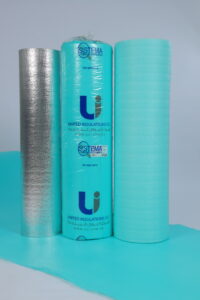
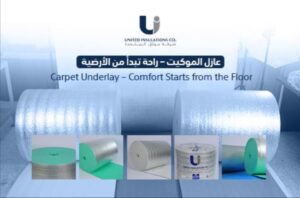
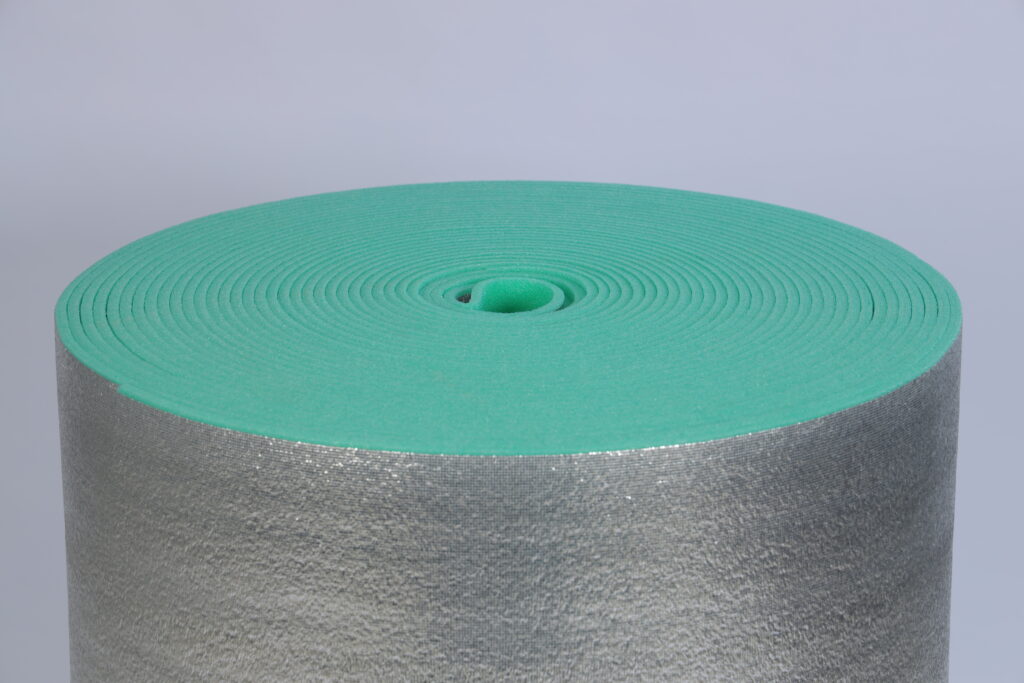
Underlay is a layer of foam or flexible material placed between the floor and carpet to provide additional support and improve walking experience. It helps distribute pressure and reduces direct impact on the carpet.
Absorbing Pressure, Sound, and Vibration
Carpet underlay absorbs shocks from daily movement and reduces sound and vibration transmission to lower floors, enhancing comfort for users in commercial buildings, hotels, and offices.
Protecting the Carpet from Premature Wear
Without proper underlay, the carpet bears direct usage pressure, leading to deformities, loss of softness, and shortened carpet lifespan.
The Difference Between Commercial and Standard Underlay
Material and Density Differences
Commercial underlay uses high-density foam and durable materials capable of withstanding heavy use, while standard underlay is usually lower in density and less pressure-resistant.
Performance Under Heavy Use
In high-traffic areas like hotels and offices, commercial underlay maintains floor shape and reduces wear, while standard underlay quickly loses elasticity.
Lifespan of Each Type
- Commercial underlay: 8–12 years depending on usage and density
- Standard underlay: only 3–5 years
Why Cheaper Price Costs More in the Long Run
Choosing cheap underlay may seem cost-effective but leads to faster carpet replacement and higher maintenance costs. Investing in commercial underlay provides longer comfort and carpet longevity.
Impact of Underlay Quality on User Comfort
Why Cheaper Price Costs More in the Long Run
High-quality underlay reduces noise and increases walking comfort, essential for offices and hotels requiring a quiet and pleasant environment for visitors and staff.
Residential Buildings
In homes, underlay adds extra comfort, reduces pressure on furniture, and enhances sound insulation between floors.
Reducing Fatigue and Noise
Walking on floors with proper underlay reduces foot and joint fatigue, improving the overall experience of using the space.
How to Choose the Right Carpet Underlay?
Based on Usage Type
- Residential buildings: low to medium density
- Hotels: high density to withstand constant pressure
- Offices: medium to high for noise reduction and comfort
Based on Traffic Density
- High-traffic areas require high-density commercial underlay
- Low-traffic areas can use standard or medium-density underlay
Common Mistakes in Selection
- Choosing the cheapest underlay without considering density
- Ignoring expected usage and pressure
- Not considering the underlay’s expected lifespan
Carpet Underlay from United Insulation (UCI)
Commercial Solutions for Projects
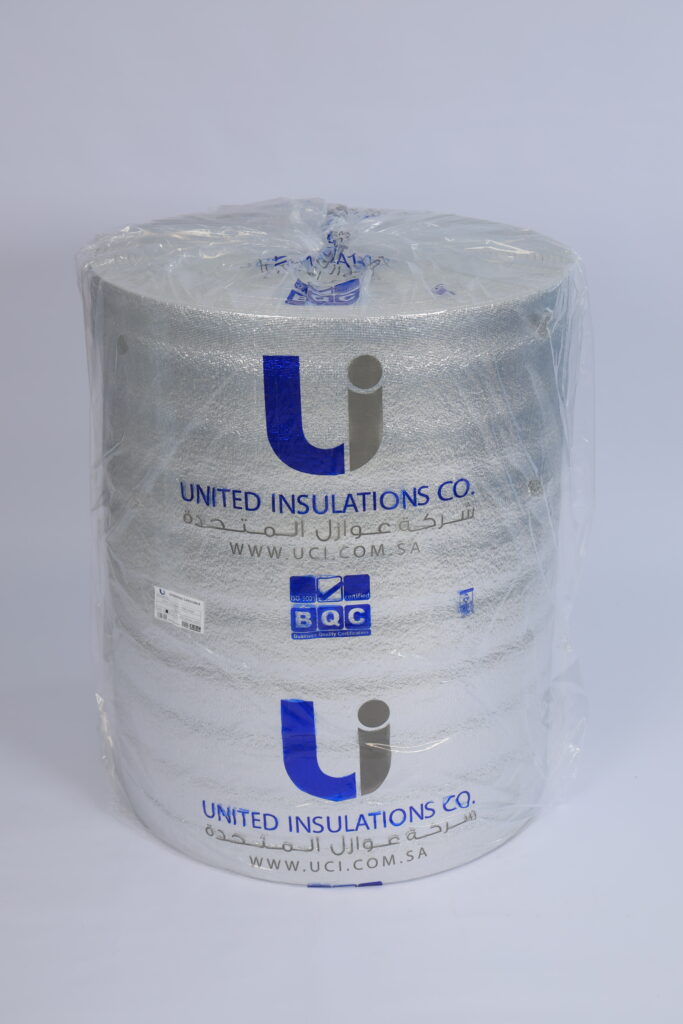
We offer a wide range of carpet underlay for projects, with thickness and density suitable for all building types, ensuring high performance and long-lasting durability.
Multiple Thickness Options
United Insulation provides different thicknesses suitable for carpets in hotels, offices, and residential buildings, ensuring even pressure distribution.
Multiple Thickness Options
Our team provides specialized consultations to determine the best underlay type per project, offering guidance on installation and maintenance.
What is the Difference Between Commercial and Standard Carpet Underlay?
Commercial underlay is higher in density, withstands more pressure, and extends carpet lifespan. Standard underlay is lower in density and wears out faster.
Does Underlay Affect Carpet Lifespan?
Yes, good underlay reduces friction and wear, extending carpet life and maintaining its appearance.
Does Underlay Reduce Noise?
Absolutely, underlay absorbs sound and vibrations, creating a quieter environment in residential and commercial buildings.
What is the Recommended Thickness for Hotels?
High-density underlay with a thickness of 6–12mm is recommended to ensure comfort and durability in high-traffic hotel areas.
Can It Be Used in Offices?
Yes, the appropriate underlay reduces noise and provides extra comfort for employees and visitors.
When Should Underlay Be Replaced?
When foam wear, loss of elasticity, or increased noise is noticed, underlay should be replaced to ensure continued performance.
Comfortable Flooring Starts from the Base
Choosing the right carpet underlay is the first step to achieving comfortable, quiet, and long-lasting flooring.
Conclusion
Good underlay is the secret to a carpet’s true performance in any project. Investing in commercial carpet underlay provides comfort, reduces noise, and extends carpet life. Whether you’re a project owner, engineer, or contractor, choosing the right underlay is the foundation for the perfect floor.
FAQs
- Commercial underlay is denser and more durable; standard underlay is lower in density and wears out faster.
- Yes, it reduces friction and wear, extending carpet life.
- 6–12mm with high density.
Yes, to reduce noise and increase comfort.
- When elasticity is lost or noise increases.
- Yes, it absorbs sound and vibrations for a quieter environment.