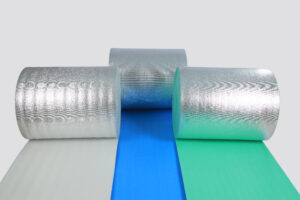
In modern hospitality and workplace environments, user experience has become a critical success factor. While design, furniture, and lighting often take center stage, one essential element is frequently overlooked: carpet underlay for hotels and offices.
Studies in facility management show that over 60% of guest and employee complaints are related to noise and discomfort caused by flooring systems. This is where carpet underlay plays a strategic role, enhancing comfort, reducing noise, and improving long-term performance.
Hotels and offices experience constant movement—guests, staff, carts, and daily operations—all contributing to sound transmission through floors.
Many projects focus solely on carpet aesthetics, neglecting the underlay beneath. Without proper commercial carpet underlay, flooring becomes a source of noise rather than comfort.
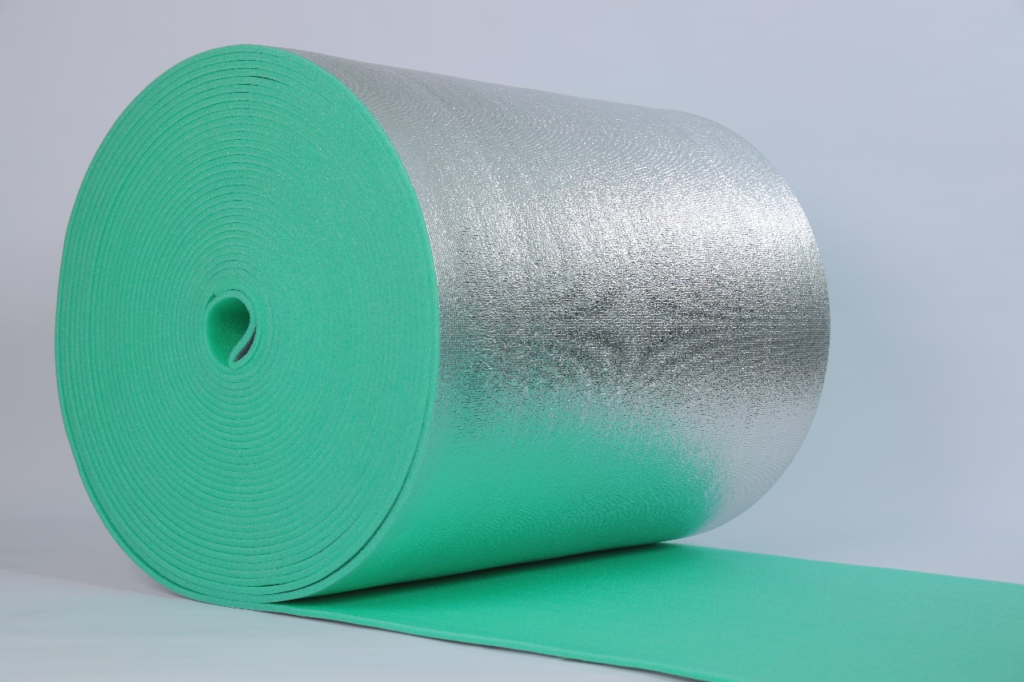
A high-quality acoustic flooring underlay absorbs impact sound, reducing noise transfer between rooms and floors.
Underlay provides cushioning that reduces strain on joints and feet, especially in high-movement environments.
Commercial carpet underlay distributes pressure evenly, extending carpet lifespan and reducing replacement frequency.
Quieter, more comfortable floors directly translate into higher satisfaction rates.
Corridors require high-density underlay to withstand heavy traffic, while guest rooms need balanced comfort and sound insulation.
Hotel underlay must resist long-term compression without losing performance.
Proper underlay significantly reduces vertical sound transmission between floors.

In open-plan offices, acoustic underlay helps minimize distractions.
Reduced noise enhances concentration and productivity.
Quality underlay absorbs impact from constant walking and standing.
Higher traffic requires higher density.
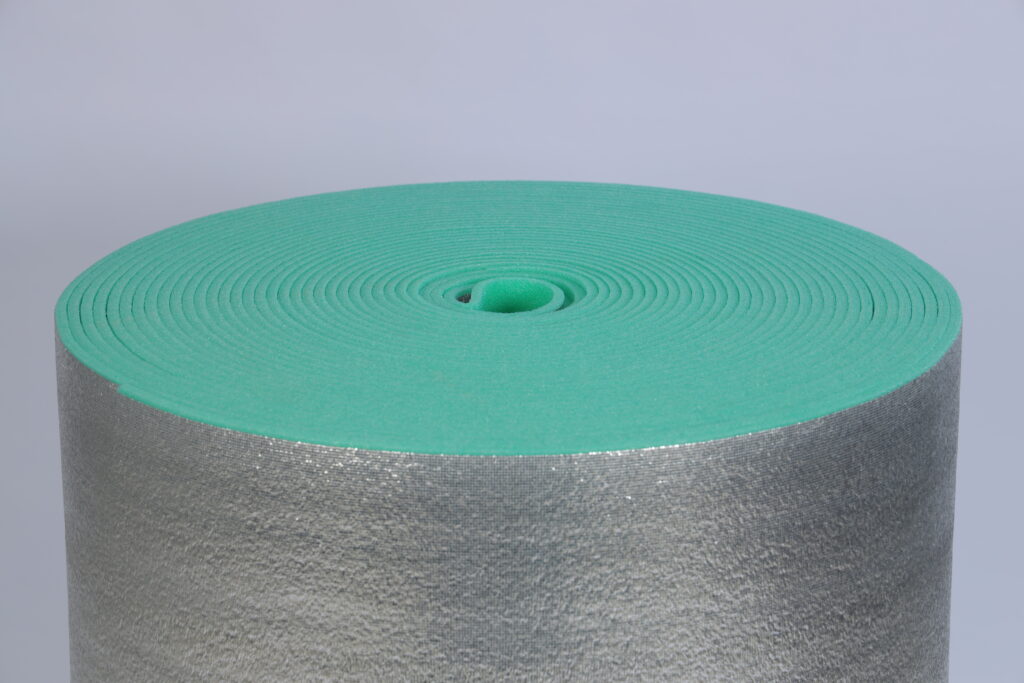
UCI manufactures premium LDPE foam carpet underlay designed for hotels and offices.
Our commercial carpet underlay supports acoustic performance and daily comfort.
Local manufacturing ensures consistent supply for major commercial and governmental projects.
Is carpet underlay necessary in hotels?
Yes, it is essential for comfort, noise control, and durability.
What thickness is best for offices?
Typically 6–10 mm depending on traffic.
Does underlay reduce noise between floors?
Yes, significantly when properly specified.
Does underlay affect floor height?
The impact is minimal and accounted for in design.
When should carpet underlay be replaced?
When it loses elasticity or shows compression.
Is underlay suitable for all carpet types?
Yes, when matched correctly to the carpet type.
It reduces long-term costs and improves overall user experience.
Quietness, comfort, and durability—all start beneath the surface.
Order carpet Underly for projects