Table of Contents
ToggleDams, water channels, reservoirs, pumping stations, and irrigation structures require carefully designed joint systems. These structures are exposed simultaneously to concrete movement, temperature variation, continuous moisture, and water pressure. For this reason, a joint cannot simply be treated as an empty gap between two concrete elements.
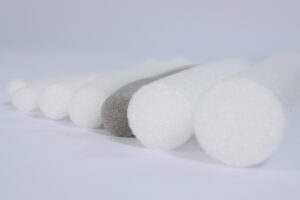
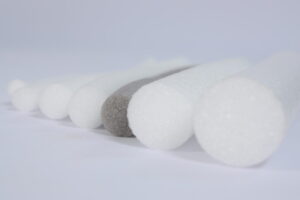
Backer Rod for dams and water channels is an important component of the joint system. It helps control the position and depth of the flexible sealant and supports the intended sealant profile within the joint. When the correct size and type are selected in coordination with the sealant and joint design, it can contribute to more reliable long-term joint performance.
In many water infrastructure projects, joints are not exposed to water only occasionally. They may remain in continuous contact with moisture or water for extended periods. In some locations, hydrostatic pressure or changes in water level can place additional demands on the joint system.
This is why the joint should be treated as a complete engineered system. Joint dimensions, expected concrete movement, sealant type, surface preparation, and the backing material behind the sealant must all work together. Neglecting any of these factors can affect the overall performance of the joint.
Large concrete structures used in dams and channels do not remain completely static throughout their service life. They can expand and contract as temperatures change, while structural movement, loading conditions, and long-term concrete shrinkage may also affect joint behavior.
Properly designed expansion and movement joints help accommodate these changes. This is where an appropriate backing system becomes important: it helps establish the intended sealant dimensions instead of allowing the joint to be filled in an uncontrolled way that may restrict sealant movement.
Dam expansion joints and water-channel joints can operate under more demanding conditions than many conventional applications. These structures may be large, while access to certain joints can be difficult, making future repair work costly and complex.
Any weakness in joint design should therefore be assessed beyond appearance alone. It can affect operational continuity, water management, maintenance requirements, and the long-term reliability of the structure.
Continuous water pressure is one of the most important challenges in water infrastructure. Its effect varies depending on the joint location, depth, water level, and overall structural design.
It is important to understand that Backer Rod is not a standalone waterproofing system designed to replace the specified sealant or waterproofing assembly. Its primary role is to support the geometry of the joint and control sealant depth. Water resistance depends on the complete joint system specified for the project.
Outdoor water structures are exposed to daily and seasonal temperature changes. In regions with significant temperature differences, this can result in repeated movement of concrete elements and joints.
The joint system should therefore be designed to accommodate expected movement without placing unnecessary stress on the sealant. Controlling the width-to-depth relationship according to sealant recommendations and engineering specifications can support better performance.
In some cases, leakage may begin as a relatively small amount of water. However, if the issue continues without proper assessment, its effects can become more significant depending on the location and design of the structure. This may include deterioration around the joint, increased maintenance needs, or effects on adjacent components.
For this reason, addressing joint design and material selection early is generally more practical than dealing with problems after the project has been completed and placed into operation.
Backer Rod for irrigation structures, dams, and water facilities plays an important role in joint systems, particularly when flexible sealants require a controlled depth and profile. Its main value lies in providing support behind the sealant and helping control both sealant volume and joint geometry.
Backer Rod should not be selected independently from the rest of the system. Compatibility between rod diameter, joint width, sealant type, expected movement, and water-exposure conditions is essential when determining whether a solution is suitable for the project.
One of the primary functions of Backer Rod is to establish the depth of the flexible sealant within the joint. Sealant depth can directly influence how the material responds to movement.
If the sealant is too deep, material consumption may increase and movement behavior may change. If the depth is insufficient, the joint may fail to meet the dimensions required by the specified sealing system. The correct approach is to follow the sealant manufacturer’s data, approved drawings, and project specifications rather than applying one universal rule to every project.
A properly selected Backer Rod can help prevent the sealant from bonding to three surfaces in applications where two-sided adhesion is required. The sealant is generally intended to adhere to the two sides of the joint, while the backing material provides support behind it without creating an unwanted rigid bond.
The type of backing material must be compatible with the specified sealant system, as interaction can vary depending on sealant chemistry and project requirements.
Backer Rod helps create a more controlled sealant profile, which can support more consistent stress distribution as the joint moves when the overall system is properly designed and installed.
However, final performance does not depend on Backer Rod alone. Sealant selection, joint-face preparation, cleanliness, installation depth, and workmanship are all essential parts of a successful joint system.
Backer Rod used as part of water infrastructure concrete joint sealing systems can be incorporated into a wide range of structures, provided its use is compatible with the approved joint design and technical specifications.
Common applications may include concrete channels, water reservoirs, pumping stations, and supporting facilities associated with irrigation and water-management networks.
Some water channels are constructed from concrete panels or sections with joints that require a flexible system capable of accommodating movement. Backer Rod can be positioned behind the sealant to help control sealant depth.
Channel conditions should be carefully assessed, including continuous water exposure, expected movement, and joint-cleaning and maintenance procedures before selecting the product type and size.
Large water reservoirs may contain movement or construction joints that require specialized treatment. System selection depends on the reservoir type, joint location, water characteristics, expected pressure, and regulatory requirements.
Backer Rod can form part of the sealing assembly for joints designed to use flexible sealants, but it does not eliminate the need for other components required by the design, such as waterstops, membranes, or protective coatings.
Pumping stations and associated facilities contain concrete elements and service areas that may experience continuous exposure to moisture and water. Backer Rod can be used in suitable joints as part of a sealing system designed around site conditions.
Potential chemical exposure, fluid characteristics, cleaning procedures, and maintenance practices should all be considered. All materials should be checked for compatibility with the intended operating environment.
There is no single Backer Rod type suitable for every dam or water-channel project. Proper selection depends on project specifications, sealant type, installation method, and operating conditions.
However, several key characteristics should be evaluated when selecting Backer Rod for dams and water channels.
The product’s suitability for a wet environment should be evaluated according to the intended application. Closed-cell polyethylene foam materials are commonly used in joint applications because their cellular structure can limit water absorption compared with open-cell materials.
However, final suitability should always be based on actual product data and project requirements rather than relying only on a general material description.
Backer Rod should not be treated as a structural component intended to withstand water pressure in place of the waterproofing and sealing system. It should, however, maintain properties that allow it to perform its intended backing function during installation and service.
This includes selecting an appropriate product structure and density and using installation practices that reduce tearing, damage, or excessive compression during insertion.
In projects involving treated water or fluids containing chemicals, chemical compatibility should never be assumed without technical verification. Backer Rod, sealant, and all other components of the system should be evaluated against substances they may encounter.
Technical compatibility information should be requested from material suppliers, and an engineering review is recommended when exposure conditions are unusual or sensitive.
Selecting expansion joints for water infrastructure does not begin with Backer Rod diameter alone. The process should start with understanding the structure and joint design, followed by selecting the appropriate sealant system and then choosing a compatible backing material and size.
Joint width is one of the most important factors when selecting Backer Rod diameter. In many applications, the rod is selected slightly larger than the joint opening to achieve adequate placement and stability, but the exact allowance should not be chosen arbitrarily.
Variation in joint dimensions across the structure should also be considered, especially in large projects where actual joint widths may not be identical at every location.
Expected water pressure influences the design of the entire joint system. Sealant selection, additional waterproofing measures, and joint detailing must all be suitable for actual service conditions.
Backer Rod is then selected as part of that system to support the sealant geometry rather than serving as the only barrier against water.
For dams and major water structures, coordination with the relevant engineering consultant is essential. The consultant can determine joint type, expected movement, water-resistance requirements, and other structural details.
Backer Rod selection should follow approved drawings and project specifications, particularly in structures associated with public safety or subject to governmental and technical approval requirements.
Some joint problems originate from seemingly simple mistakes in product selection or installation. Avoiding these errors becomes particularly important in water infrastructure because repairs can be more difficult once the facility is operational.
Selecting an unsuitable backing material or installing it incorrectly can compromise the intended sealant geometry, which may affect joint performance over time.
The severity of the risk cannot be generalized without evaluating the project. The consequences of a joint problem may differ significantly between a small channel and a major water structure with critical safety requirements.
When a sealant does not perform within its intended dimensions and detailing, the risk of joint-system failure may increase. This can appear as leakage, sealant deterioration, or a need for earlier maintenance.
Proper diagnosis requires evaluating the entire cause of the problem rather than simply replacing the Backer Rod, as the issue may originate from design, sealant selection, surface preparation, or installation quality.
Repairing a joint in a major water facility may require partial shutdowns, lowering water levels, or arranging specialized equipment and access to the affected location. As a result, corrective work can be significantly more expensive than selecting and installing the right materials from the beginning.
Early technical review can help reduce the likelihood of rework and unexpected costs.
In dams and other high-consequence structures, any joint issue must be evaluated as part of the complete engineering safety system. It would be inaccurate to claim that Backer Rod alone can prevent or cause structural failure.
However, proper joint detailing and compliance with approved specifications are part of responsible engineering practice, especially where structures are responsible for managing significant volumes of water.
United Insulation Company (UCI) provides low-density polyethylene foam solutions, including Backer Rod products used as part of joint-treatment systems, with a focus on manufacturing quality and controlled specifications.
For dams, water channels, and other water infrastructure projects, the appropriate product should be selected according to actual project requirements, approved drawings, and the sealant system being used.
Backer Rod is used to help control sealant depth and provide suitable backing within the joint. The required diameter and specifications can be determined after reviewing joint dimensions and application requirements.
The clearer the available project information—such as joint width, sealant type, and service conditions—the easier it becomes to select an appropriate solution and reduce unnecessary material waste.
Specialized projects require clear information exchange between suppliers, contractors, and consultants. Product data, available sizes, and technical information can help support a review of product suitability against project requirements.
Engineering consultants and contractors can contact the United Insulation team to discuss supply requirements and product specifications based on the scope of their project.
Irrigation projects, channels, and water facilities can benefit from joint solutions selected according to approved specifications. Final supply requirements depend on project quantities, dimensions, product requirements, and required approvals.
For government and large-scale infrastructure projects, providing relevant specifications and drawings can help ensure a more accurate review of product and supply requirements.
Before ordering a product, prepare the following information for the supplier or engineering consultant:
For a more complete understanding of joint systems, you may also explore:
Backer Rod may appear to be a simple component compared with the scale of a dam or water channel, but it performs an important function within the joint system. Its role in controlling sealant depth, supporting joint geometry, and helping prevent unwanted adhesion makes proper selection and installation part of overall construction quality.
There is no single specification suitable for every dam or water-channel project. The correct solution depends on joint width, expected movement, sealant type, water exposure, and approved engineering details.
If you are working on a dam, channel, reservoir, or irrigation project, start by reviewing the complete joint system—not Backer Rod as an isolated product.
Contact us to discuss the joint requirements of your dam or water-channel project.
Share your joint dimensions and technical specifications to support the selection of suitable product requirements.
Request technical consultation for engineering offices specializing in irrigation and water infrastructure.
Request a quotation for Backer Rod supply based on your required sizes and quantities.
Backer Rod can be used in joints exposed to moisture or water when this is compatible with the system design and product data. However, it is not a standalone replacement for a sealant or waterproofing system designed to handle pressure conditions. The complete joint assembly should be evaluated according to project requirements.
Dam and water-channel projects require a broader assessment of water exposure, pressure, movement, and maintenance difficulty. Diameter and material should therefore not be selected solely according to rules commonly used for ordinary building applications.
Compatibility depends on the Backer Rod type, the chemicals involved, their concentration, and the duration of exposure. Chemical compatibility should not be assumed without reviewing technical product data and consulting the supplier or project specialist when necessary.
No. Backer Rod is a supporting component within the joint system. Leakage resistance depends on the sealant, waterproofing assembly, structural detailing, and correct installation of the complete system.
You can contact United Insulation to discuss project supply requirements, specifications, and quantities. For projects with specific technical or approval requirements, it is recommended to provide the relevant drawings and approved specifications.
Joint specifications are determined based on structure type, joint width, expected movement, sealant type, water-exposure conditions, and structural requirements. The appropriate Backer Rod is then selected as part of the overall joint system.
The correct diameter cannot be determined without knowing the actual joint width, sealant type, and installation details. In many applications, the product diameter is slightly larger than the joint opening, but the exact sizing should follow system recommendations and approved specifications.
Not necessarily. Joints within the same project may differ in width, movement, water exposure, and sealing requirements. A project may therefore require more than one size or specification depending on the location.
This depends on project size, joint complexity, and sealant-system requirements. For large or critical water projects, joint work should be carried out by qualified teams following product instructions, approved specifications, and the project’s quality-control procedures.
United Insulations Company (UCI) is a leading Saudi company specialized in manufacturing and supplying thermal and acoustic insulation solutions, as well as low-density foam products. The company is committed to the highest standards of quality and sustainability to support construction and industrial projects within the Kingdom and beyond.
Third Industrial City, P.O. Box: 22766 Jeddah-6838, Saudi Arabia
Sunday - Thursday 8AM : 5PM