Table of Contents
ToggleMany warehouses and cold storage facilities in Saudi Arabia experience significant energy loss due to poor thermal insulation. This increases electricity consumption and reduces cooling system efficiency. With the Kingdom’s extreme climate conditions, effective insulation is no longer optional — it is an operational necessity.
Foam insulation panels for cold storage are among the most effective solutions in modern industrial projects. They help minimize cooling loss, maintain stable temperatures, and reduce stress on refrigeration systems.
Temperatures in some Saudi regions exceed 45°C during summer, placing enormous pressure on cold storage facilities and refrigerated warehouses. When insulation is weak, heat quickly penetrates indoor spaces, forcing cooling systems to operate continuously.
This excessive energy demand leads to:
Many facilities still rely on outdated or low-efficiency insulation materials that cannot withstand humidity or continuous temperature fluctuations, leading to gradual performance deterioration.
Some traditional insulation materials also absorb moisture, which reduces their thermal resistance and effectiveness.
Cooling loss does not only increase electricity costs — it impacts the entire warehouse operation.
Major losses include:
The efficiency of cold rooms depends heavily on insulation quality. Poor insulation quickly creates operational challenges.
Air leakage is one of the main causes of cooling loss in warehouses. It often occurs due to weak insulation or gaps in walls and ceilings.
Thermal foam insulation panels help solve this issue by creating a protective barrier that prevents cold air leakage and blocks external heat.
The greater the cooling loss, the longer refrigeration systems must operate, leading to significantly higher energy costs.
In large industrial projects, inefficient insulation can become one of the biggest sources of operational waste.
Temperature fluctuations inside cold rooms directly affect the quality of stored products, especially food, pharmaceuticals, and sensitive materials.
Using foam insulation in refrigerated warehouses helps maintain stable temperatures for extended periods.
When temperatures are unstable, products may spoil or lose quality, resulting in direct business losses.
The most affected industries include:
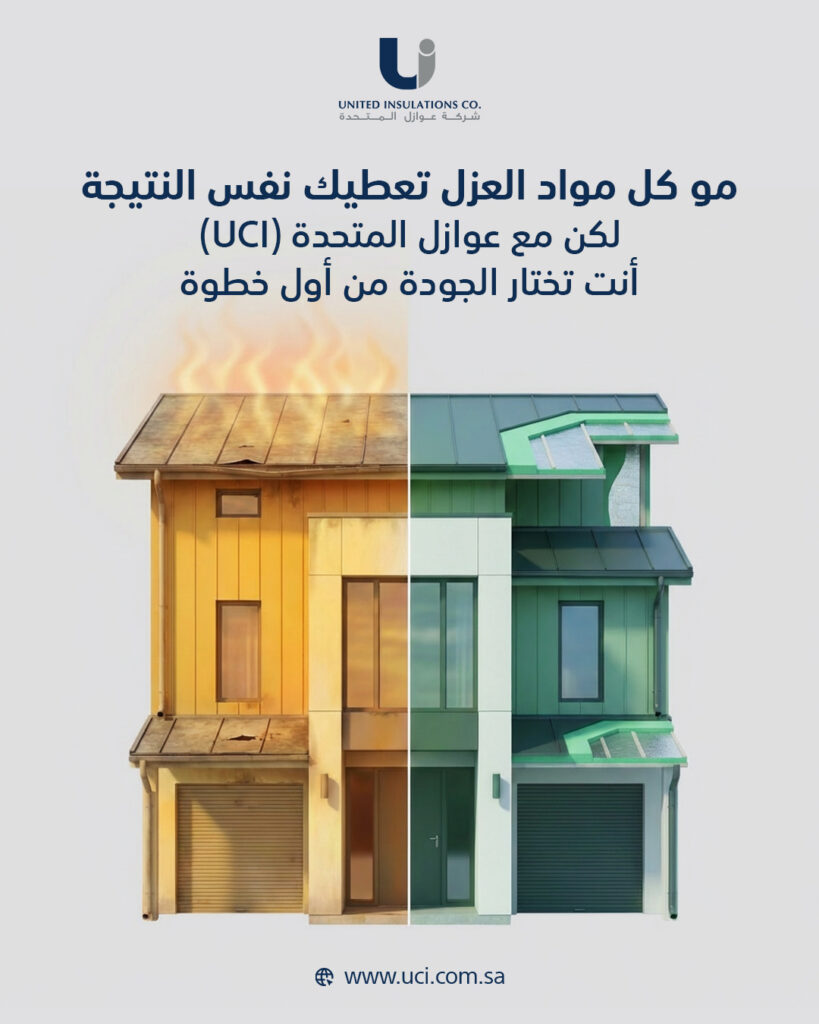
Foam insulation panels for cold storage are modern solutions that provide excellent thermal insulation efficiency, especially in industrial and commercial environments requiring stable temperatures.
LDPE foam panels are lightweight insulation materials known for their ability to reduce heat transfer and resist moisture.
They are widely used in:
Foam panels offer several advantages that make them ideal for cold storage applications:
| Benefit | Feature |
|---|---|
| Reduced cooling loss | Thermal resistance |
| Better durability | Moisture resistance |
| Easier installation | Lightweight |
| Lower maintenance costs | Long lifespan |
Foam panels outperform many traditional insulation materials due to their superior moisture resistance and long-term efficiency.
They also offer an excellent balance between performance, cost, and ease of installation.
Thermal insulation works by reducing heat transfer from outside to inside — something foam panels do very effectively.
Foam panels act as a barrier that blocks heat transfer through walls and ceilings, keeping indoor areas cooler.
The stronger the insulation, the less refrigeration systems need to run continuously.
This helps with:
Effective insulation prevents sudden temperature fluctuations and preserves product quality inside warehouses.
Modern insulation systems can significantly reduce energy consumption, particularly in large industrial facilities.
Foam panels are widely used in projects that require effective thermal insulation and energy efficiency.
Foam panels are extensively used in cold and freezer rooms to maintain stable temperatures and reduce energy consumption.
Modern logistics warehouses rely on advanced insulation systems to protect stored products over long periods.
Certain industries require stable temperatures in production lines to maintain manufacturing quality.
Saudi Arabia is experiencing rapid growth in logistics and storage projects, increasing demand for high-performance insulation solutions.
Selecting the right insulation solution directly impacts cooling efficiency and long-term operational costs.
The required thickness depends on:
Higher-density foam generally provides better resistance to pressure and environmental factors.
In hot or humid environments, moisture-resistant foam panels are essential for long-lasting performance.
Common mistakes include:
Choosing the right insulation material depends on project requirements and operational conditions.
Rock wool offers good fire resistance but may absorb moisture and require more maintenance compared to foam panels.
Foam panels provide better flexibility and moisture resistance than some polystyrene products.
Because it combines:
Good insulation is not just thermal protection — it is a long-term investment that reduces costs and improves operational performance.
Effective insulation reduces refrigeration operating hours, significantly lowering electricity bills.
Less strain on cooling systems means fewer breakdowns and lower maintenance expenses.
Cooling systems perform more efficiently and last longer under lower thermal loads.
Although insulation may require an initial investment, energy savings and lower maintenance costs provide strong long-term ROI.
United Insulation Company provides advanced industrial insulation solutions using high-quality foam products tailored for modern projects in Saudi Arabia.
The company manufactures LDPE foam products according to strict quality standards to ensure efficiency and durability.
The company holds ISO 9001 certification, demonstrating its commitment to quality and reliable performance.
United Insulation supplies insulation solutions for industrial, commercial, and logistics projects of all sizes.
The company’s technical team provides expert consultation to help clients choose the right insulation thickness and density.
Foam insulation panels are considered one of the best options due to their excellent thermal efficiency and moisture resistance.
Yes, foam panels reduce cooling loss, lowering refrigeration operating time and energy consumption.
It depends on required temperatures, warehouse size, and the type of stored products.
Yes, foam is widely used in industrial warehouses and cold rooms because of its high insulation efficiency.
Foam insulation can last for many years when properly installed using high-quality materials.
In Saudi Arabia’s climate, thermal insulation is essential for maintaining efficient warehouse and cold storage operations. Foam insulation panels for cold rooms are among the most effective solutions for reducing cooling loss, lowering energy costs, and improving operational performance.
Investing in quality insulation today means lower operational costs and greater sustainability in the future.
No related posts.
United Insulations Company (UCI) is a leading Saudi company specialized in manufacturing and supplying thermal and acoustic insulation solutions, as well as low-density foam products. The company is committed to the highest standards of quality and sustainability to support construction and industrial projects within the Kingdom and beyond.
Third Industrial City, P.O. Box: 22766 Jeddah-6838, Saudi Arabia
Sunday - Thursday 8AM : 5PM