Expansion Joints for Port and Airport Pavements: Protecting Infrastructure Under Extreme Loads
Port and airport pavements operate under some of the most demanding conditions found in the construction and infrastructure sector. Heavy repetitive loads, temperature fluctuations, moisture, oils, fuel, and continuous equipment movement place constant stress on concrete joints.
For this reason, expansion joints for port pavements should not be treated as a secondary construction detail. They are a critical component of the pavement protection system, helping preserve concrete performance, durability, and operational continuity over the long term.
Ports and airports differ significantly from conventional buildings and concrete structures because of the intensity and frequency of the loads they experience. Their pavements are exposed not only to compression but also to repetitive dynamic loading and continuous environmental and operational changes.
This makes proper joint design, installation, and material selection essential. The joint material must accommodate concrete movement without losing its functional performance or compromising the surrounding pavement.
Port pavements must withstand container trucks, cargo-handling equipment, cranes, and heavy-duty vehicles. Specific pavement sections may experience thousands of load cycles throughout the service life of a facility.
Airports face similar challenges. Aprons, taxiways, and service areas are exposed to aircraft loads, ground-support equipment, and specialized service vehicles. Expansion joint systems must therefore withstand repeated loading without becoming a weak point in the pavement.
Outdoor pavements are continuously exposed to direct sunlight, temperature variations, humidity, rain, wind, and dust. These environmental conditions cause concrete to expand and contract over time.
In coastal environments, humidity and salt exposure can create additional challenges for pavement components and joints. Expansion joint materials must therefore be selected according to the surrounding environment and their ability to maintain performance over time.
The performance of expansion joints for cargo pavements depends not only on vehicle or aircraft weight, but also on traffic frequency, movement speed, stopping and starting points, and load distribution across the pavement.
As traffic intensity and equipment diversity increase, a properly engineered joint system becomes increasingly important to prevent excessive stress concentration around the joint.
Container weights vary depending on cargo type and density, while handling equipment and transport trucks introduce additional loading conditions. Repeated traffic over the pavement subjects joints to continuous mechanical stress.
Therefore, concrete joints for container ports should be designed based on actual operating conditions rather than theoretical load values alone.
Airport aprons and movement areas are subjected to significant aircraft loads, in addition to vehicles used for fueling, maintenance, transportation, and other ground-support operations.
These areas require joint solutions capable of accommodating repeated movement while helping maintain pavement integrity and reducing the risk of cracking or deterioration around joint locations.
One of the major challenges in ports and airports is that operations do not necessarily follow conventional working hours. Trucks, equipment, and service vehicles may operate for extended periods every day.
As a result, joint deterioration can quickly become more than a structural issue. It can become an operational problem affecting traffic flow, maintenance planning, and overall project costs.
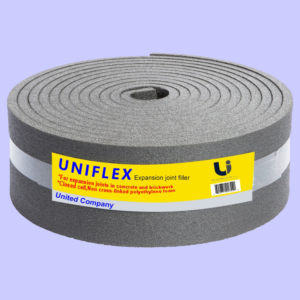
Expansion Joint Sheet acts as a separation material that allows concrete elements to accommodate movement caused by thermal expansion and contraction while maintaining the required joint spacing and separation.
When the appropriate material is selected and installed according to project requirements, the joint system helps reduce unwanted stress transfer to adjacent concrete and supports the long-term serviceability of the pavement.
Concrete expands as temperatures rise and contracts as temperatures fall. In large pavement areas, this movement can become significant if adequate joints are not provided.
An appropriately selected Expansion Joint Sheet for airports and ports creates the necessary separation between concrete sections, helping reduce stress accumulation that may otherwise contribute to cracking or pavement damage.
It is important to distinguish between the function of the joint filler and other structural load-transfer systems. The joint material provides separation and accommodates movement, while load transfer between concrete sections depends on the complete joint design and associated structural components.
For this reason, expansion joints should be selected as part of an integrated engineering system rather than treating the joint sheet as an isolated component of the pavement design.
Joints can become vulnerable points for water or liquid infiltration when they are not properly integrated into an appropriate sealing and protection system.
At airports and ports, surfaces may be exposed to fuel, oils, water, and other operational fluids. Therefore, the Expansion Joint Sheet should work together with a suitable joint sealing system to achieve the required level of protection based on project specifications.
Expansion joints are used across a wide range of concrete pavement areas within ports and airports, particularly where surfaces are exposed to heavy loads, thermal movement, and continuous traffic.
Joint design and material selection vary according to the area’s function, expected loads, environmental conditions, and operational requirements.
Container Loading and Unloading Pavements
Container loading and unloading areas are among the locations most exposed to concentrated loads and repetitive traffic. Trucks and handling equipment operate continuously across these pavements.
Expansion joints in these areas should therefore form part of a pavement system designed to accommodate thermal movement and daily mechanical stress while minimizing deterioration around joint edges.
Container storage areas experience both static and moving loads. Containers may be stacked, while lifting and handling equipment operates repeatedly throughout the area.
This requires careful consideration of joint layout and positioning in relation to the pavement design and anticipated loading conditions.
Runways and taxiways are among the most critical infrastructure components of an airport. Their pavements must perform reliably while minimizing defects that could interfere with operations.
Concrete joints form part of the overall pavement design and construction system, helping accommodate required movement and manage stresses caused by thermal changes and repetitive loading.
Aircraft apron areas experience a combination of aircraft loads, ground-support equipment, and specialized service vehicles.
These surfaces may also be exposed to fuel, oils, and weather conditions, making the selection of joint materials, sealing systems, and protective measures an important engineering decision that must align with project requirements.
تحتاج فواصل التمدد المستخدمة في الموانئ والمطارات إلى خصائص تتناسب مع البيئة التشغيلية شديدة التحمل. ولا يكفي النظر إلى خاصية واحدة مثل المرونة؛ بل يجب تقييم الأداء الميكانيكي والكيميائي والبيئي للمادة ضمن النظام الكامل.
These facilities require joint materials with mechanical properties suitable for their intended application. Repeated loading can place long-term stress on joint materials if they are not appropriate for the operating conditions.
Material selection should be evaluated against the project’s technical specifications, including density, thickness, mechanical properties, and any additional requirements established by the consultant or project owner.
At ports and airports, joints may come into contact with various fluids and chemicals used during daily operations. Chemical compatibility should therefore be reviewed against the substances expected to be present.
It should not be assumed that all joint materials provide the same level of chemical resistance. Product technical data, testing, and project specifications should be reviewed before selection.
For outdoor applications, resistance to ultraviolet exposure and harsh weather conditions becomes an important consideration, particularly in projects requiring long service life and limited maintenance.
Actual site conditions—including temperature, humidity, solar exposure, and dust—should also be considered when determining the appropriate specifications.
قد يؤدي التعامل مع الفاصل باعتباره تفصيلًا بسيطًا إلى نتائج مكلفة. فالفاصل غير المناسب أو سوء التنفيذ قد يخلق نقطة ضعف تظهر آثارها تدريجيًا مع ارتفاع عدد دورات التحميل والحركة.
When the joint system does not accommodate concrete movement and expected loads appropriately, stresses may become concentrated in specific areas, increasing the risk of cracking or joint-edge deterioration.
In continuously operating facilities, damage may progress more quickly because traffic repeatedly passes over the affected area.
The cost of joint deterioration goes beyond the repair itself. In ports and airports, maintenance may require temporary closure of pavement sections or changes to traffic routes.
This can affect operational schedules, logistics, and equipment movement, making preventive design and proper material selection far more valuable than addressing failures after they occur.
The larger and more complex the pavement, the greater the potential cost of repairs. Expenses may include concrete removal, reconstruction, traffic disruption, and specialized equipment.
Selecting an appropriate joint system during the design stage can therefore provide significant long-term economic value.
اختيار فواصل تمدد أرصفة الموانئ لا يعتمد على اسم المنتج فقط، بل على تحليل مجموعة من المتغيرات الهندسية والتشغيلية. ويجب أن تبدأ عملية الاختيار بفهم وظيفة المنطقة وطبيعة الأحمال والظروف البيئية ومتطلبات العمر التشغيلي.
Begin by identifying the types of vehicles and equipment that will operate on the pavement, their approximate loads, load distribution, stopping and starting zones, and expected traffic patterns.
For airports, aircraft type and area function should be considered. For ports, truck types, container-handling equipment, and operational patterns should be evaluated.
The difference between a low-traffic facility and a continuously operating facility can be substantial in terms of performance requirements. Daily traffic cycles and load frequency should therefore be included in the joint assessment.
As loading cycles increase, selecting a joint material and system capable of long-term performance becomes increasingly important.
For port and airport projects, general specifications alone are not enough. Owners, consultants, contractors, and operators should coordinate to ensure that selected materials meet design, operational, and maintenance requirements.
Project drawings, technical specifications, and product documentation should also be reviewed before final approval.
United Insulation Company (UCI) manufactures industrial solutions based on Low-Density Polyethylene Foam (LDPE Foam), with a focus on quality, manufacturing consistency, and meeting project-specific technical requirements.
Its joint-related solutions form part of a broader product portfolio that can serve infrastructure applications requiring reliable separation and protection materials.
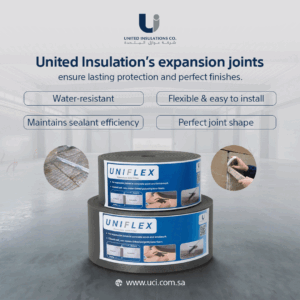
Expansion Joint Sheet is used as a joint separation material in concrete applications, providing a dedicated separation layer that helps accommodate movement between concrete elements according to the joint design.
The appropriate specifications vary by application. Thickness, density, and required properties should therefore be determined according to project requirements and consultant specifications rather than applying a single standard to every project.
Heavy infrastructure projects require clear technical information to help consultants and contractors make informed decisions. This includes reviewing project requirements and matching them with product characteristics appropriate for the intended application.
This approach helps reduce the risk of selecting materials that are not suited to actual operating conditions.
Large infrastructure projects require reliable compliance with specifications, quantities, and delivery schedules. Supplier selection should therefore consider product quality, manufacturing capacity, reliability, and technical support.
United Insulation Company provides industrial products designed to meet project needs while maintaining quality standards and customer requirements.
قبل اعتماد أي مادة فاصل لمشروع ميناء أو مطار، من المفيد مراجعة مجموعة من النقاط الفنية لضمان توافق المنتج مع التطبيق.
تجاهل طبيعة السوائل والمواد الكيميائية
At ports and airports, exposure to fuel, oils, water, and other substances may be part of normal operations. Material compatibility with expected chemicals should therefore be verified.
Failing to Coordinate Joint Design and Installation
Even a high-quality material may fail to deliver the expected performance if it is installed in a way that does not match the project details.
Drawings, specifications, and installation procedures should therefore be coordinated, with field installation monitored accordingly.
Not every area within a port or airport has the same requirements. Loads, environmental exposure, and traffic patterns may vary significantly from one zone to another.
Each application should therefore be evaluated according to its specific function and requirements rather than applying one specification across the entire facility.
The Relationship Between Expansion Joint Sheet, Backer Rod, and Joint Sealants
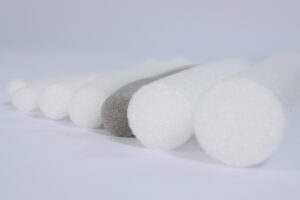
A joint system typically consists of multiple components, each serving a specific function. The Expansion Joint Sheet provides separation and the necessary space for movement, while a Backer Rod may be used to control sealant depth and support the intended joint geometry.
The sealant helps close the joint and protect it from water and fluid penetration. Each component should be selected to work compatibly with the other components and project requirements.
In port and airport infrastructure, material quality is closely connected to operational continuity, maintainability, and reduced downtime risk. Product selection should therefore consider not only nominal specifications but also manufacturing reliability, testing, and technical support.
United Insulation Company (UCI) holds ISO 9001 certification, an internationally recognized framework for quality management and continuous process improvement.
Port pavement expansion joints are an important component in protecting concrete pavements exposed to massive and repetitive loads. In airports, properly selected joint solutions help accommodate concrete movement, thermal changes, and complex operating conditions.
However, joint performance depends on more than the material itself. It relies on the integration of design, specifications, supporting materials, installation quality, and actual site conditions.
The best approach is therefore to assess the application before selecting the product and coordinate with consultants, operators, and contractors to determine the appropriate specification.
If you are working on a port, airport, or heavy infrastructure project, selecting the right Expansion Joint Sheet starts with understanding the project requirements in detail.
Contact United Insulation Company to discuss your application, review technical requirements, and identify the most suitable solution for your project.
تحتاج هذه الأرصفة إلى فواصل بمواصفات تتناسب مع الأحمال الثقيلة والمتكررة، والحركة المستمرة، والتغيرات الحرارية، والتعرض للعوامل الجوية والسوائل التشغيلية. لذلك يجب اختيار المادة وفق متطلبات المشروع وليس وفق استخدامات الخرسانة التقليدية فقط.
يمكن أن تتحمل أنظمة الفواصل الأحمال المطلوبة عند تصميمها واختيار مكوناتها وتنفيذها وفق متطلبات المشروع. ويجب تقييم الحمل الكلي ونوع الحركة ونظام نقل الأحمال والمواصفات الفنية للفاصل قبل الاعتماد.
تعتمد المقاومة الكيميائية على نوع المادة وتركيبتها والمادة الكيميائية التي تتعرض لها. لذلك يجب مراجعة بيانات المنتج والتأكد من توافق المادة مع الوقود والزيوت أو أي مواد أخرى متوقعة في الموقع.
يتم تقييم حجم الحركة من خلال عدد دورات المرور اليومية، وأوزان المركبات أو المعدات، وطبيعة الحركة، ومناطق التوقف والانطلاق، بالإضافة إلى ظروف الموقع والعمر التشغيلي المستهدف.
يمكن لفريق عوازل المتحدة تقديم المعلومات الفنية المتعلقة بمنتجات الفواصل ومتطلبات التوريد للمشاريع التي تحتاج إلى حلول صناعية للبنية التحتية، مع إمكانية التنسيق مع الاستشاريين والمقاولين وفق متطلبات المشروع.
يُستخدم Expansion Joint Sheet كعنصر فصل بين العناصر الخرسانية ويساعد على توفير المساحة اللازمة للحركة، بينما يُستخدم Backer Rod عادةً خلف مادة الإغلاق للتحكم في عمق الـ Sealant ودعم هندسة الفاصل.
نعم، يمكن استخدام مواد فواصل التمدد في مجموعة من التطبيقات الخرسانية والصناعية، لكن المواصفة المناسبة تختلف حسب الأحمال والحركة والظروف البيئية وطبيعة المشروع. لذلك يجب تحديد المنتج والمواصفات وفق الاستخدام الفعلي.
يُنصح بمراجعة النشرة الفنية للمنتج، والمواصفات الفنية، وشهادات الجودة ذات الصلة، وبيانات الخواص الميكانيكية والكيميائية، وأي نتائج اختبارات أو شهادات مطلوبة ضمن مستندات المشروع.