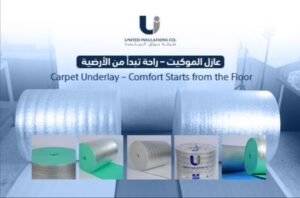
Carpet alone may seem sufficient for creating a comfortable and quieter floor, but flooring performance depends on more than the visible carpet surface. A
carpet underlay adds a functional layer beneath the carpet, helping improve underfoot comfort, support the flooring system, and reduce the transfer of certain movement and impact-related sounds. This additional layer becomes particularly important in high-traffic environments such as
hotels, offices, corridors, meeting rooms, and commercial spaces, where comfort, durability, and noise control can directly influence the overall user experience and perceived quality of the space.
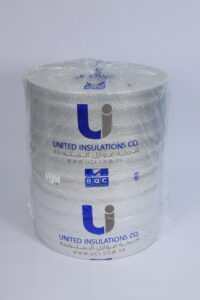
United Insulations Company (UCI) provides polyethylene foam solutions for carpet and flooring applications, with different thicknesses and specifications available to suit project requirements and expected traffic levels.
What Is a Carpet Underlay?
A
carpet underlay is a supportive layer installed between the subfloor and the carpet. It may also be described as
carpet padding, foam underlay, or carpet cushioning, and is used to improve the performance of the overall flooring system rather than relying on the carpet alone. Underlay products can be manufactured from several materials.
Polyethylene foam is one option used in insulation and cushioning applications due to its lightweight structure and properties that can support comfort, protection, and moisture resistance. A thicker underlay does not automatically mean better performance. The right product should be selected according to the carpet type, subfloor conditions, expected daily traffic, and the technical requirements of the project.
Why Use a Carpet Underlay?
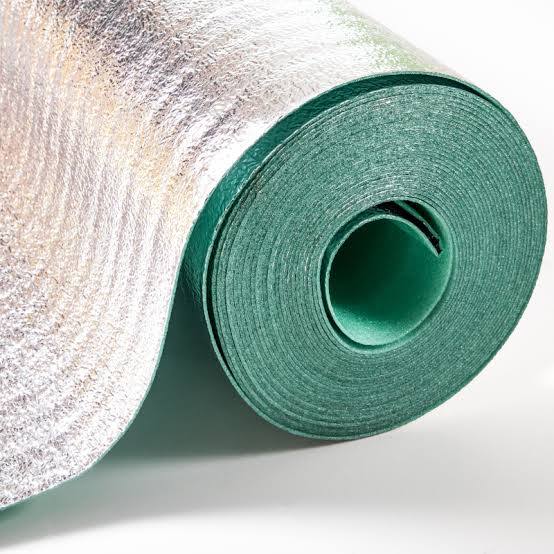
A
carpet underlay creates a functional intermediate layer between the carpet and the subfloor. When correctly specified and installed, it can improve comfort, help cushion the effects of movement, and provide additional support for the carpet. Key reasons for including an underlay in a flooring system include:
- Improving comfort while walking or standing.
- Helping reduce footfall and movement-related noise.
- Providing additional support beneath the carpet.
- Helping limit direct friction between the carpet and subfloor.
- Improving the experience of high-traffic areas.
- Adding insulation and protection characteristics depending on the selected foam.
A Small Layer Within a Complete Flooring System
A common mistake is to view
carpet padding as an optional accessory with little influence on the final result. In practice, it should be considered part of a complete flooring system that includes the subfloor, underlay, carpet, and installation method. Selecting an appropriate underlay during the planning stage can therefore be more efficient than attempting to address comfort or noise issues after the flooring has already been installed.
How Carpet Underlay Affects Comfort and Sound
A
carpet underlay acts as a cushioning layer that helps absorb some of the pressure created by footsteps and movement. This can make the flooring feel more comfortable compared with carpet installed directly over a hard subfloor. This characteristic is particularly valuable in spaces where people spend long periods walking or standing, including offices, hotel rooms, corridors, and reception areas.
How Does Carpet Padding Help Reduce Sound Transfer?
Noise inside buildings comes from many sources, including footsteps, furniture movement, dropped objects, and continuous foot traffic. A
foam underlay beneath carpet can help cushion some of the vibrations generated by direct contact with the floor. This makes foam underlay particularly useful in projects seeking better acoustic comfort. However, it should not be considered a replacement for a complete engineered acoustic insulation system where strict sound-performance requirements apply.
Impact Noise vs. Airborne Noise
It is important to distinguish
impact noise from airborne noise such as conversations or music. Resilient flooring layers are more directly associated with cushioning the effects of footsteps, friction, and impact on the floor surface. Comprehensive sound control between rooms or floors may require additional solutions within floors, walls, and ceilings depending on the building design and acoustic targets.
Why Is Carpet Underlay Important in Hotels?
In hotels, flooring serves more than an aesthetic purpose. Guests interact with it throughout their stay, making comfort, noise levels, and finishing quality important parts of the overall hospitality experience. A
carpet underlay can be used in guest rooms, corridors, meeting areas, and selected shared spaces to create a more comfortable floor and help cushion the effects of foot traffic.
Hotel Guest Rooms
Hotel guest rooms require a balance between design, comfort, and quietness. Installing a suitable underlay beneath carpet can improve the feel underfoot, particularly when the underlying floor is hard.
Hotel Corridors
Hotel corridors are exposed to frequent and continuous traffic. In these areas,
foam underlay should not be selected on comfort alone; traffic intensity, carpet construction, and installation method should also be considered.
Meeting and Hospitality Areas
In meeting and hospitality areas, comfortable flooring supports a better everyday experience, while reducing movement-related noise can help create a more pleasant environment.
Carpet Underlay for Offices and Commercial Spaces
Office and commercial flooring has different requirements from residential applications. Floors may be exposed to dozens or hundreds of users every day, as well as furniture, chairs, and equipment. For this reason,
carpet padding should be evaluated as part of an operational and technical flooring decision, rather than simply as a way to make the floor softer. In open-plan offices, employees and chairs may move continuously throughout the working day. Reception areas may experience less consistent but more concentrated periods of traffic. Retail and commercial environments require additional consideration of visitor traffic, business activity, and loads placed on the flooring system.
How to Choose the Right Carpet Underlay Material and Thickness
There is no single underlay thickness suitable for every project. Choosing the right
carpet underlay requires considering the application, traffic level, carpet type, subfloor, and desired comfort and insulation characteristics. When comparing underlay options, start with these questions:
- Where will the carpet be installed?
- What is the expected daily traffic level?
- Is comfort, durability, or a balance of both the priority?
- What type of carpet will be installed?
- What is the existing subfloor?
- Are there specific acoustic or moisture-related requirements?
- Which thickness is compatible with the flooring system and installation method?
Residential Use
For bedrooms, living rooms, and family spaces, underfoot comfort is often a major consideration. The
carpet underlay should be selected according to the carpet construction, subfloor, and expected level of everyday use. Even in residential applications, thickness should not be selected according to the assumption that “thicker is always better.” Compatibility with the carpet and installation system remains essential.
Hotels and Offices
In hotels and offices,
traffic intensity becomes a critical selection factor. A corridor used by hundreds of people has different requirements from a guest room or a low-traffic private office. The foam density and thickness should therefore provide an appropriate balance of comfort, stability, and durability while remaining compatible with the selected flooring system.
High-Traffic Commercial Spaces
In high-traffic commercial environments, stability should not be sacrificed simply to create an excessively soft floor. The best underlay is the one that matches the actual operational demands of the project.
Does a Thicker Underlay Always Provide Better Comfort and Insulation?
Not necessarily. Thickness matters, but it is not the only factor that determines the performance of a
carpet underlay. Foam density and structure, carpet type, traffic intensity, and installation method should also be considered. A thicker product may be suitable for one application, while another may require a different specification to achieve the necessary stability and performance. For
UCI carpet underlay applications, polyethylene foam solutions are available in several thicknesses, including
6, 8, 10, 12, 15, and 20 mm, with project-specific dimensions or specifications available depending on requirements. The final thickness should be selected according to the actual application rather than thickness alone.
Carpet Underlay Requirements by Application
This table provides general guidance only. Individual project requirements should always be evaluated before selecting an underlay specification.
The Role of Polyethylene Foam as Carpet Underlay
Low-density polyethylene (LDPE) foam is used across a wide range of insulation, protection, and cushioning applications. Its cellular structure makes it suitable for products that require a combination of lightweight construction, flexibility, and protection. Moisture resistance is another useful characteristic in flooring applications. A closed-cell foam structure can provide suitable properties for environments where limiting water and moisture absorption is important. The flexibility of foam also makes it suitable for creating a cushioning and protective layer beneath carpet.
Why Does Closed-Cell Structure Matter?
In closed-cell foam, the internal structure consists of sealed cells rather than interconnected open pores. This helps limit liquid absorption compared with some open-cell materials. Any underlying moisture source should still be addressed before carpet installation. An underlay is not a substitute for correcting water leaks or structural moisture problems.
How to Install Carpet Underlay Correctly
The performance of a
carpet underlay depends on both product quality and installation quality. Even a suitable material may fail to deliver the expected result if installed over an improperly prepared subfloor or using an incompatible installation method.
1. Inspect the Subfloor
Make sure the subfloor is suitable for installation and free from defects that could affect the stability or appearance of the finished carpet.
2. Clean and Prepare the Surface
Remove dust, debris, and residues from previous flooring materials. Any obvious surface irregularities should be addressed before laying the
foam carpet underlay.
3. Ensure the Subfloor Is Dry
Carpet should not be installed over a subfloor with unresolved moisture issues. The source should be identified and corrected before completing the flooring system.
4. Lay the Foam Underlay Evenly
Cover the required area evenly, avoiding unnecessary overlaps or gaps that could affect the finished carpet surface.
5. Manage the Seams
Underlay seams should be handled according to the selected installation system so that the layer remains stable and consistent beneath the carpet.
6. Install the Carpet According to the Approved System
Once the
carpet padding has been prepared, the carpet should be installed according to the flooring manufacturer’s instructions and the appropriate installation method.
Common Carpet Underlay Selection and Installation Mistakes
Choosing Thickness Based on Softness Alone
It is easy to assume that the thickest foam will automatically provide the best result. However, maximum softness is not always desirable, particularly in commercial or high-traffic environments.
Ignoring Traffic Levels
Specifying the same underlay for a lightly used room and a busy hotel corridor may result in an unsuitable flooring solution.
Installing Over an Unprepared Subfloor
Dust, moisture, or significant surface irregularities can affect the finished flooring even when a high-quality underlay is used.
Failing to Check Carpet and Underlay Compatibility
Carpet and underlay should be treated as a complete flooring system. The material and thickness therefore need to be compatible with the carpet and its installation method.
When Should You Replace Old Carpet Underlay?
A
carpet underlay should be inspected whenever carpet is replaced or when there is a noticeable change in flooring performance. An existing underlay should not automatically be assumed suitable for a new carpet. Replacement may be appropriate when signs include:
- Loss of cushioning or resilience.
- Clearly compressed areas.
- Torn or damaged sections.
- Evidence of previous moisture exposure or deterioration.
- Incompatibility with the new carpet.
- Noticeable differences in flooring feel.
- Changes in how the space will be used.
Can Carpet Underlay Be Reused?
It depends on the condition and specification of the existing underlay and its compatibility with the new carpet. For commercial and hospitality projects, the existing material should be assessed against the new performance requirements before reuse is considered.
How to Specify Carpet Underlay for a Hotel or Commercial Project
Start by defining the space rather than choosing a thickness first. Ask:
How many people will use this floor each day, and what type of traffic will it experience? The carpet type, subfloor, comfort expectations, acoustic requirements, and stability needs can then be evaluated before selecting the appropriate foam specification.
Example: Hotel Corridor
A hotel corridor experiences continuous traffic and may also accommodate service carts in addition to guests and staff. Underlay selection should therefore prioritize performance under repeated use rather than softness alone.
Example: Hotel Guest Room
Guest rooms generally experience less traffic than corridors, allowing comfort and the guest experience to carry greater weight in the specification process.
Example: Office Environment
In offices, daily walking routes, chairs, furniture, and workspace layout should all be considered. Internal corridors may require different underlay characteristics from meeting rooms or private offices.
Carpet Underlay and Acoustic Insulation: What Should You Know?
A
carpet underlay can be a useful part of an acoustic comfort strategy, but it is not the entire acoustic system. Projects with defined acoustic performance targets should consider the complete floor, ceiling, and wall assemblies as well as the paths through which sound travels between spaces. It is therefore useful to distinguish between two objectives:
improving perceived acoustic comfort and achieving a specific engineered acoustic rating.
UCI Polyethylene Foam Solutions
United Insulations Company (UCI) specializes in manufacturing low-density polyethylene foam products for a variety of insulation, cushioning, protection, and packaging applications. UCI
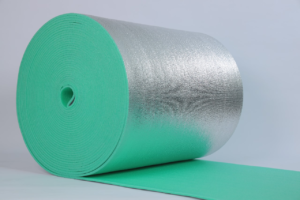
carpet underlay solutions are available in different thicknesses, colors, and dimensions, allowing specifications to be selected according to project requirements rather than using one solution for every application. Available thicknesses include
6 mm, 8 mm, 10 mm, 12 mm, 15 mm, and 20 mm, with standard dimensions of 1 meter in width and 50 meters in length, or custom specifications depending on project requirements. Products are available in multiple colors, including blue, orange, green, and pink.
Quality as Part of the Manufacturing Process
United Insulations Company (UCI) holds
ISO 9001 quality management certification, an international standard focused on process management, quality improvement, and continual development. This quality-management approach supports the company’s commitment to delivering consistently manufactured products for construction, commercial, and industrial applications.
How to Get Better Performance From Carpet Underlay
For better results, do not begin by asking,
“What is the thickest option available?” Instead ask,
“Which specification best matches the application?” The best specification balances:
- Carpet type.
- Traffic intensity.
- Subfloor conditions.
- Comfort requirements.
- Desired control of movement-related noise.
- Stability requirements.
- Site conditions.
- Installation method.
This approach is particularly important for hotels, offices, and commercial projects because an unsuitable flooring specification may not become obvious immediately after installation; problems often appear only after the space enters regular use.
Carpet Underlay Is More Than an Added Comfort Layer
When planning a complete flooring system, the
carpet underlay deserves the same consideration as the carpet and visible finish. It influences how the floor feels, helps cushion movement, and provides an additional protective and supportive layer between the carpet and subfloor. Its value becomes especially apparent in
hotels, offices, and commercial spaces, where comfort must be balanced with dependable performance under everyday traffic. The best decision is therefore not based on thickness alone, but on selecting a specification that works with the entire flooring system.
Find the Right Carpet Underlay for Your Project
Hotel guest rooms have different requirements from corridors, just as offices differ from high-traffic commercial environments. Defining the intended use from the beginning makes it easier to select the right
carpet underlay and thickness.
Contact United Insulations Company to identify the right carpet underlay specification based on traffic intensity and your project’s requirements. What Are the Benefits of Carpet Underlay?
Carpet underlay helps improve underfoot comfort, supports the carpet, reduces direct friction with the subfloor, and can help cushion some footfall and movement-related noise.
Is Carpet Underlay Suitable for Hotels?
Yes.
Carpet underlay can be used in hotels in guest rooms, corridors, meeting areas, and other suitable spaces, provided the specification matches traffic intensity, carpet type, and the overall flooring system.
How Does Underlay Thickness Affect Performance?
Thickness can influence cushioning and comfort, but it is not the only performance factor. Foam density and structure, carpet type, traffic levels, and installation method should also be considered.
What Is the Best Foam Thickness Under Carpet?
There is no single ideal thickness for every application. Selection should be based on the type of space, traffic intensity, carpet construction, and project requirements. UCI provides several thickness options, including 6, 8, 10, 12, 15, and 20 mm.
Does Carpet Padding Help Reduce Noise?
Carpet padding can help reduce some movement and impact-related noise by adding a resilient layer between the carpet and subfloor. Projects requiring specific engineered acoustic performance may need a complete acoustic system and additional solutions.
Is Polyethylene Foam Moisture Resistant?
Closed-cell polyethylene foam has properties that help resist water and moisture absorption. However, any existing subfloor moisture problem should be resolved before installing the carpet system.
Can Old Carpet Underlay Be Reused With New Carpet?
It may be possible if the existing underlay remains in suitable condition and is compatible with the new carpet and application. If it is compressed, damaged, moisture-affected, or no longer appropriate for the project, replacement is generally preferable.
What Is the Difference Between Carpet Underlay and Full Acoustic Insulation?
Carpet underlay primarily acts as a cushioning and supporting layer beneath carpet and can help reduce certain movement-related sounds.
Complete acoustic insulation, however, involves an integrated building design intended to achieve defined sound-performance targets.
Is Carpet Underlay Suitable for Offices?
Yes. It can be particularly useful in open-plan offices, meeting rooms, corridors, and reception areas. Material and thickness should be selected according to employee traffic, furniture movement, and overall usage intensity. Explore UCI’s
carpet underlay solution to learn more about available specifications, along with related
acoustic insulation and
polyethylene foam solutions for different insulation and protection applications. Polyethylene foam, acoustic floor insulation, carpet foam underlay, flooring underlay, hotel carpet underlay, commercial carpet underlay, LDPE foam, sound-reducing carpet underlay.