Choosing the right parquet underlay for commercial showrooms is not simply an aesthetic decision. It can directly affect floor longevity, customer comfort, maintenance costs, and the overall appearance of a retail space.
A residential floor may experience relatively limited daily traffic. A luxury store, however, can receive hundreds or even thousands of footsteps every day. This makes the environment far more demanding.
For this reason, commercial flooring systems require a supportive layer beneath the parquet. A properly selected Parquet Underlay can help improve floor performance and reduce the impact of continuous daily use.
For premium brands, flooring is also part of the customer experience. The sound of footsteps, walking comfort, floor stability, and the ability to maintain a refined appearance all contribute to how customers perceive the store and the brand itself.
Customer traffic in a commercial environment continues throughout the working day. People enter and leave, move between departments, stand in front of displays, while employees and maintenance teams constantly use the same flooring.
Over time, this repeated activity places ongoing demands on the entire floor system. That is why an underlay for a commercial showroom should be selected according to actual traffic conditions rather than using a solution intended primarily for low-traffic residential spaces.
A luxury store does not sell products alone; it delivers a complete experience. A worn, uneven, or noisy floor can negatively affect that experience, even when the merchandise and interior design are of the highest quality.
Selecting the right commercial parquet underlay can support floor performance and help maintain a more consistent appearance over time. In this sense, the flooring system becomes part of protecting the store’s visual identity rather than simply another finishing expense.
Parquet floors in commercial environments face challenges that differ significantly from residential use. Before selecting an underlay, it is important to consider the nature of the location, expected foot traffic, business activity, and flooring installation requirements.
Common challenges include:
Heavy and continuous foot traffic.
Pressure created by prolonged standing.
Movement of certain equipment or display units.
Footstep noise and sound reverberation.
Changing conditions near entrances and glass façades.
The high cost of temporarily closing a store for maintenance.
Daily activity means that the floor is subjected to repeated use for long periods. Some retail environments may also involve carts, movable equipment, or display fixtures that are repositioned periodically.
It is important to distinguish between the role of the underlay in supporting the flooring system and the role of the floor’s surface layer in resisting scratches and direct wear. A well-designed combination of parquet, suitable underlay, and proper installation can contribute to better overall flooring performance.
In large commercial spaces, footstep noise can become more noticeable, especially in showrooms with high ceilings or open-plan interiors. Sound may reflect between surfaces, creating an environment that feels less calm and comfortable.
Depending on its material properties and installation method, a Parquet Underlay for retail spaces may help reduce certain forms of footstep sound transmission and improve acoustic comfort. This can make the underlay an important consideration when creating quieter retail environments.
Entrances and large glass façades may experience conditions that differ from the rest of the interior space. Sun exposure, airflow from entrances, and changing operating conditions can affect the environment surrounding the floor.
For this reason, the complete flooring system should be evaluated, including the parquet type, manufacturer recommendations, subfloor condition, and relevant moisture and temperature requirements. The underlay is an important part of the solution, but it does not replace proper flooring design and installation.
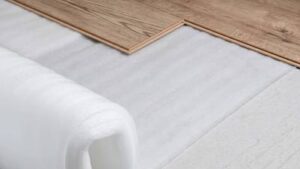
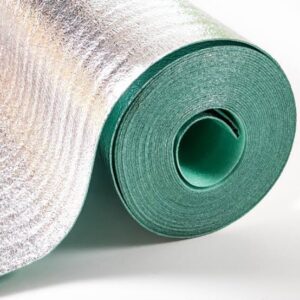
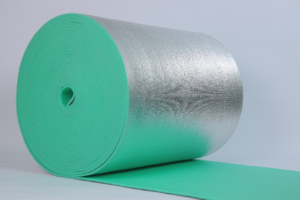
A Parquet Underlay functions as an intermediate layer within the flooring system. It should be selected based on the type of parquet, expected use, and project requirements.
Its value lies in supporting the flooring system and, depending on the product and installation specification, helping manage load distribution and minor subfloor irregularities. The right choice begins with a simple question: How will the floor actually be used every day?
Heavy traffic creates repeated and continuous demands on the flooring system. An underlay designed for the intended application can provide a supportive layer that contributes to floor comfort and overall system performance.
This is why commercial underlay should not be selected based on price or thickness alone. Density, technical properties, compatibility with the parquet, and installation requirements are often more important considerations.
A properly selected supporting layer can improve the performance of the system beneath the parquet boards. Its properties should match the intended application, since an overly soft or unsuitable underlay may not deliver the desired result.
For commercial projects, the best approach is to review the product’s technical specifications and confirm compatibility with the flooring system instead of applying one universal solution to every store or showroom.
No single underlay can guarantee protection against every type of floor damage. However, selecting the right flooring system can help reduce problems associated with poor installation or unsuitable layers.
When the parquet, underlay, subfloor, and installation method work together correctly, businesses are less likely to face premature maintenance decisions caused by an unsuitable initial choice.
In retail, the customer experience does not begin when a product is touched. It begins the moment a customer enters the store. Lighting, scent, music, interior design, and even the feeling of the floor underfoot all shape the overall impression.
For this reason, showroom floor underlay solutions are not purely technical considerations. They can also form part of the overall customer experience strategy.
A calm atmosphere is particularly important in luxury jewelry stores, premium fashion boutiques, and showrooms designed around a refined customer experience.
A suitable flooring system may help improve acoustic comfort by reducing the perceived impact of movement, depending on material properties and interior design conditions. The underlay should be viewed as one component of the acoustic strategy alongside carpets, furnishings, ceilings, and wall finishes.
Retail employees may spend long hours standing or moving between departments, while customers can remain in one area for extended periods when browsing products or waiting for service.
A carefully designed flooring system can contribute to a more comfortable underfoot experience. However, performance depends on selecting the appropriate solution for the specific project rather than assuming all underlay products provide the same benefits.
Luxury is often communicated through details customers may never consciously identify. When a floor feels stable, comfortable, and visually consistent with the interior design, customers can sense the quality of the environment without understanding the technical reason behind it.
A commercial parquet underlay can therefore become an invisible component of a highly visible and refined brand experience.
A foam underlay for commercial parquet flooring should not be selected based on a single criterion. Commercial projects require several technical factors to be evaluated before purchasing.
Key considerations include:
Material density.
Appropriate thickness.
Suitability for expected traffic.
Compatibility with the parquet type.
Installation method.
Subfloor condition.
Moisture requirements.
Door, entrance, and display-level clearances.
Consultant or project specifications.
Supplier technical documentation.
For commercial spaces, the selected product should have properties appropriate for the expected traffic level. Density alone does not determine performance, but it is one of the characteristics that should be evaluated alongside other technical specifications.
Discussing the actual use of the space with the supplier or technical team is particularly valuable for high-traffic projects or applications with specific requirements.
A commercial underlay should be selected according to its ability to maintain suitable performance characteristics for the intended application. This is why technical documentation is more important than marketing descriptions alone.
Ask about product properties, recommended applications, installation requirements, and compatibility with the parquet specified for the project.
Thicker is not always better. In stores and showrooms, the final floor height must be coordinated with glass façades, doors, display units, and transitions between different flooring materials.
The correct thickness should be determined as part of the complete flooring design rather than simply choosing the thickest available option.
Decisions made during the flooring installation stage can influence future maintenance costs. An unsuitable system may create problems that need to be corrected later, often at a higher cost and with greater disruption to business operations.
The goal of selecting a solution for luxury retail parquet protection is not to claim that the floor will never require maintenance. The goal is to create a flooring system that is better suited to the expected use from the beginning.
When the supporting layer is not suitable for the flooring type and expected use, problems may arise that require corrective work later. Selecting the right underlay, combined with professional installation and proper subfloor preparation, can help reduce the risk of costly mistakes.
Routine maintenance is normal for any commercial floor. However, proper planning from the beginning can help avoid some premature repairs caused by poor product selection or installation errors.
Important steps include:
Selecting parquet suitable for the expected traffic.
Choosing an underlay compatible with the flooring system.
Preparing the subfloor correctly.
Following installation instructions.
Protecting the floor during finishing work.
Applying an appropriate cleaning and maintenance program.
Closing a luxury store or part of a showroom for repair work can mean lost operating time and potential sales, in addition to labor and material costs.
For this reason, every correct decision made during design and installation can have long-term economic value. The right product does not guarantee that no problems will ever occur, but it can help reduce risks associated with poorly considered choices.
One of the most common mistakes in commercial flooring projects is selecting materials quickly without properly evaluating how the space will actually be used.
Mistake 1: Choosing underlay based on price alone.
The solution is to compare technical specifications and system compatibility, not just the cost per square meter.
Mistake 2: Using a residential product in a commercial space without reviewing the application.
Define the expected traffic level and project requirements before selecting the product.
Mistake 3: Focusing only on thickness.
Thickness is only one factor and should be evaluated alongside density, performance characteristics, and compatibility.
Mistake 4: Ignoring subfloor conditions.
Even a high-quality underlay cannot solve every problem caused by an improperly prepared or unsuitable subfloor.
Mistake 5: Failing to coordinate with designers and contractors.
The flooring system should be specified early, with all floor heights and transitions reviewed before installation begins.
Parquet Underlay solutions for retail spaces can be considered across a wide range of commercial environments, provided that the product is selected according to the technical requirements and actual use of each project.
Fashion boutiques and jewelry stores require a calm and elegant environment that reinforces a sense of luxury. Flooring is an important part of the visual identity, particularly in open spaces with premium displays and high-value products.
A well-designed flooring system can support the final appearance and contribute to a more comfortable customer experience throughout the store.
Automotive showrooms differ significantly in terms of loads, traffic patterns, and operational requirements. It should never be assumed that any parquet underlay is automatically suitable for every area of an automotive facility.
Display zones, traffic routes, expected loads, and the complete flooring system should be assessed before product approval. Some areas may require entirely different flooring solutions from customer reception areas or offices.
Premium malls and shopping centers experience high levels of traffic and a wide variety of retail uses. The flooring requirements of one store may differ substantially from another depending on the business type, floor area, and flooring system.
For this reason, showroom floor underlay should be considered as part of each individual project’s specification rather than as a single universal solution for every commercial unit.
Luxury hotels with internal boutiques and retail spaces need to maintain a consistent experience across different areas. Flooring and underlay selection can contribute to smoother visual and acoustic transitions between corridors, stores, and reception areas.
United Insulation Company (UCI) provides solutions in the field of low-density polyethylene foam products, with a focus on quality and suitability for different applications.
For parquet projects, selecting the right Parquet Underlay should begin with understanding the project’s actual requirements. The right solution is not necessarily the same for every project.
A small jewelry boutique has different requirements from a retail chain, while a fashion showroom may differ from a hotel reception area or a shopping center retail space.
The UCI team can help discuss your project requirements and guide you toward suitable available product options and specifications based on factors such as:
Project type.
Flooring area.
Expected traffic level.
Parquet type.
Installation method.
Contractor or designer requirements.
Supply needs.
The goal is to reach a practical and well-considered solution rather than purchasing a product without confirming its suitability for the application.
Successful flooring projects depend on coordination between all parties. Interior designers, contractors, and suppliers need a clear understanding of project requirements before installation begins.
Early communication with the supplier can help review requirements and reduce the risk of changes or delays appearing later in the project.
Multi-location projects require more than simple product availability. They need supply planning, consistent specifications, and organized quantities based on project phases.
If you manage a retail chain or plan to fit out multiple locations, discussing your requirements early can help align supply planning with the construction schedule and project needs.
Before ordering a commercial parquet underlay, use this practical checklist:
Define the type of retail business.
Estimate expected daily traffic.
Identify the parquet flooring being used.
Review the condition of the subfloor.
Confirm the installation method.
Review thickness and final floor height.
Check product compatibility with project requirements.
Request technical data and specifications.
Coordinate with the interior designer and contractor.
Discuss supply quantities and project timing before installation begins.
These simple steps can transform purchasing from a random product choice into a decision based on actual project requirements.
Choosing a Parquet Underlay for commercial showrooms is about more than what sits beneath the flooring. It is part of planning the customer experience, protecting your investment in interior finishes, and improving the long-term efficiency of the project.
Luxury stores and commercial showrooms require solutions that match their level of use, design requirements, and operational needs. For this reason, a Parquet Underlay for retail spaces should be selected according to technical specifications and system compatibility, not simply based on price or thickness.
With United Insulation Company (UCI), you can discuss your project requirements and explore suitable available solutions based on usage, design, and supply needs.
Request a Parquet Underlay solution for your commercial showroom today.
Contact us to discuss the right product specifications for your customer traffic and project requirements.
Request a quotation for retail chains, showroom projects, and commercial quantities.
Does Parquet Underlay Help Reduce Store Floor Maintenance Costs?
A properly selected underlay, as part of a complete flooring system, can help reduce certain issues caused by poor product selection or installation. This may help avoid some premature repair costs, but it does not eliminate the need for routine maintenance.
Can Parquet Underlay Withstand Heavy Traffic in Malls and Showrooms?
This depends on the product specifications and the intended application. The underlay should be selected according to expected traffic levels and flooring system requirements, with reference to the product’s technical documentation.
Does Parquet Underlay Reduce Footstep Noise in Large Commercial Spaces?
Some underlay materials and flooring systems can help improve acoustic comfort and reduce certain forms of footstep sound transmission. Actual results depend on product properties, installation, and the overall acoustic design of the space.
Is Parquet Underlay Suitable for Automotive and Jewelry Showrooms?
It can be used in suitable areas of these projects when the product is compatible with the flooring type, expected loads, and application requirements. Areas exposed to special or heavy loads should be evaluated separately.
Does United Insulation Company Supply Retail Chains?
Supply requirements, quantities, and specifications can be discussed with the UCI team to determine suitable solutions for multi-location projects based on available products and project planning.
What Is the Right Parquet Underlay Thickness for a Retail Store?
There is no single thickness that is suitable for every project. The correct choice depends on the parquet type, subfloor condition, door and entrance clearances, intended use, and installation method.
Can Parquet Underlay Be Installed Over Any Existing Floor?
Not necessarily. The existing floor should be inspected to confirm that it is suitable for the new flooring system. Some surfaces may require preparation or leveling before installation.
Is Price the Most Important Factor When Choosing Parquet Underlay?
No. Price is important for budget management, but it should not be the only factor. Technical specifications, application suitability, and flooring compatibility can have a greater impact on long-term project value.