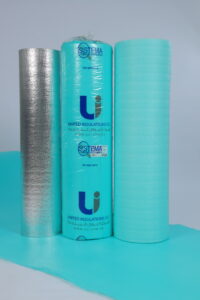
The thickness of foam insulation boards for cold rooms is one of the most important factors affecting thermal insulation performance and refrigeration efficiency. While some project owners consider thickness merely a technical specification, it is actually a strategic element that directly impacts energy consumption, operating efficiency, and equipment lifespan.
Selecting the correct thickness based on project requirements allows cold rooms to maintain target temperatures while minimizing energy use and reducing stress on refrigeration systems.
As insulation thickness increases within appropriate engineering limits, heat transfer from the external environment into the cold room decreases. As a result, refrigeration systems require less effort to maintain the desired temperature.
Properly selected foam boards for cold storage applications help improve thermal stability and reduce temperature fluctuations, which is critical for preserving food, pharmaceutical, and sensitive products.
The direct answer is simple: the right insulation thickness significantly reduces electricity consumption.
When cold room insulation is insufficient, more heat enters the space, forcing refrigeration units to run longer and harder. By using properly sized thermal insulation panels, heat gain is minimized, reducing energy bills and operational expenses.
Some of the most common mistakes include:
These mistakes often result in poor performance and higher long-term operating costs.
Although lower-cost insulation may appear attractive initially, selecting an insufficient foam insulation thickness often leads to increased electricity bills, higher maintenance expenses, and reduced equipment lifespan.
In many cases, operational losses within a single year exceed the initial savings achieved during procurement.
Industrial foam boards play a critical role in maintaining stable thermal conditions inside cold and freezer rooms. They act as the first line of defense against heat and moisture transfer.
The better the insulation quality, the more efficient the entire refrigeration system becomes, leading to lower operating costs over time.
The primary function of any insulation system is to minimize heat transfer.
Foam boards for cold rooms create an effective barrier that prevents external heat from entering the refrigerated environment, helping maintain target temperatures for extended periods.
Whether a room is designed for refrigeration or freezing, maintaining stable temperatures is essential for product safety.
High-quality thermal insulation boards reduce temperature fluctuations and improve storage conditions.
Every degree of heat entering the room creates additional demand on refrigeration equipment.
Using polyethylene foam for cold storage applications helps reduce system workload and improves operational efficiency.
Moisture is one of the biggest challenges facing cold storage facilities, particularly in coastal regions.
Proper insulation helps reduce condensation and prevents water accumulation that may damage products or building structures.
Lower thermal loads reduce the operating hours of compressors and cooling components.
This results in:
There is no universal insulation thickness suitable for every project. Choosing the correct insulation board thickness requires evaluating several technical and operational factors before installation.
The lower the target room temperature, the greater the need for effective insulation.
Freezer rooms typically require thicker insulation than standard refrigerated rooms.
Insulation requirements vary significantly between moderate and extremely hot climates.
In Saudi Arabia, summer temperatures can exceed 45°C, making insulation thickness a critical design consideration.
There is a substantial difference between a cold room operating at +5°C and a freezer operating at -18°C.
The larger the temperature difference between inside and outside conditions, the greater the required insulation thickness.
Larger facilities are exposed to greater potential heat transfer through walls, ceilings, and floors.
Therefore, insulation thickness should be determined based on the entire project size rather than isolated sections.
Every project has unique operating conditions, including:
For this reason, insulation thickness should always be based on a comprehensive engineering assessment.
Saudi Arabia’s climate is one of the most important factors influencing the performance of refrigerated warehouse insulation and cold storage facilities.
The right insulation thickness must account for local environmental conditions to ensure maximum operational efficiency.
In high-temperature regions, more heat attempts to penetrate walls and ceilings.
As a result, thicker industrial foam insulation panels are often required to achieve optimal performance.
Humidity creates additional challenges beyond temperature alone.
Insulation materials with strong moisture and condensation resistance are essential in these environments.
Warehouses exposed to direct sunlight generally require higher insulation levels than indoor facilities.
Industrial facilities experience continuous thermal fluctuations due to loading, unloading, and operational activities, making effective insulation essential.
The hotter and more humid the environment, the more critical proper foam board thickness selection for cold rooms becomes.
Ignoring environmental conditions can lead to increased energy consumption and reduced system efficiency.
Choosing the right foam board thickness for cold rooms is one of the most important decisions affecting insulation performance, energy efficiency, and operating costs. The ideal thickness depends on temperature requirements, application type, and environmental conditions.
While no single thickness fits every project, several standard options are widely used across refrigeration and freezing applications.
20 mm foam boards are commonly used in applications requiring light to moderate insulation. They are generally suitable for small spaces and environments with limited temperature differences.
30 mm foam boards provide enhanced thermal insulation and are commonly used in commercial refrigeration projects with moderate thermal loads.
This thickness is often sufficient when:
40 mm insulation boards are among the most widely used options in refrigerated warehouses and industrial facilities because they provide an excellent balance between cost and performance.
Typical applications include:
When applications require superior thermal performance, thicker insulation becomes a necessity rather than an optional upgrade.
These thicknesses are commonly used in:
Application | Suggested Thickness |
|---|---|
Light refrigeration rooms | 20 mm |
Commercial cold rooms | 30 mm |
Refrigerated warehouses | 40 mm |
Freezer rooms | 50 mm+ |
Many project owners assume thinner insulation reduces project costs. However, the reality is that insufficient insulation often results in significantly higher operating expenses over time.
The more heat that enters the cold room, the harder refrigeration equipment must work, leading to higher electricity usage.
Facilities may struggle to maintain target temperatures, especially during peak summer conditions.
Extended operating cycles accelerate wear and tear on refrigeration components.
Increased system workload often results in more frequent maintenance and unexpected repairs.
A project may save money upfront by purchasing thinner insulation, but those savings are often outweighed by higher energy and maintenance costs over the facility’s lifetime.
The short answer is no.
The thickest insulation option is not always the best choice. The ideal thickness should match the actual operational requirements of the project.
In low-demand refrigeration environments, additional thickness may provide minimal energy savings while increasing project costs.
Greater thickness generally increases:
The most successful projects achieve maximum efficiency while maintaining reasonable life-cycle costs.
This can be achieved by:
Several insulation materials are used in refrigeration projects, each offering unique performance characteristics, costs, and durability levels.
Key advantages include:
Offers strong moisture resistance and high thermal performance but may be less flexible in certain applications.
A cost-effective option, though its moisture resistance is generally lower than alternative insulation materials.
Provides excellent fire resistance and acoustic insulation but may not be ideal for high-moisture refrigeration environments.
The answer depends on project requirements. However, polyethylene foam insulation remains one of the most popular choices due to its moisture resistance and reliable thermal performance in harsh climates.
Material | Moisture Resistance | Thermal Performance | Flexibility |
|---|---|---|---|
Polyethylene Foam | Excellent | Excellent | High |
XPS | Excellent | Excellent | Medium |
EPS | Good | Good | Medium |
Rock Wool | Moderate | Good | Low |
Determining the right quantity of foam boards for cold rooms is essential for achieving optimal insulation performance. Choosing the correct thickness alone is not enough; covered areas, thermal loads, and future operational requirements must also be considered.
Thermal load is the primary factor influencing insulation requirements. It includes heat entering from the surrounding environment, personnel, lighting systems, equipment, and door-opening activities.
Higher thermal loads generally require more effective insulation and carefully selected thicknesses.
All heat-exposed surfaces should be included in the calculation, including:
This helps accurately estimate the required quantity of thermal insulation panels.
Thickness selection should be based on:
A common mistake is designing a cold room solely around current needs.
If future expansion or product changes are expected, these factors should be considered during the planning phase.
Experienced suppliers can help determine the most suitable insulation specifications and prevent costly mistakes before installation begins.
Even the highest-quality insulation materials can underperform if installation is not carried out correctly.
Selecting the cheapest option may lead to significantly higher operating and maintenance costs later.
Thickness alone is not enough.
Two insulation products with identical thicknesses may deliver very different thermal performance levels depending on quality and density.
Gaps between insulation panels or improperly sealed joints allow heat and moisture infiltration.
An insulation solution suitable for a moderate climate may be inadequate for extremely hot regions.
You can avoid future reinstallation costs by:
Industrial and commercial projects require insulation solutions that combine thermal performance with long-term reliability.
United Insulation Company (UCI) offers a comprehensive range of LDPE polyethylene foam products designed to meet the needs of cold storage and freezing applications.
UCI products are manufactured according to strict quality standards to ensure reliable performance across industrial environments.
Foam products are engineered to help minimize moisture penetration and condensation-related issues commonly found in cold rooms.
UCI offers a wide range of dimensions and thicknesses to support various project requirements.
The UCI team assists customers in choosing the most suitable insulation specifications based on project conditions and operational needs.
Through:
This example demonstrates how selecting the right insulation thickness can directly improve operational performance.
The warehouse experienced:
The existing insulation was upgraded to a more suitable thickness based on operational requirements.
Following the insulation upgrade:
Many projects recover insulation upgrade costs relatively quickly through reduced energy expenses.

The ideal thickness depends on temperature requirements, room size, and climate conditions. There is no universal thickness suitable for every project.
Yes. Freezer rooms generally require thicker insulation because of the larger temperature difference between inside and outside conditions.
Better insulation reduces heat transfer, allowing refrigeration systems to consume less energy.
Not necessarily. The best thickness is the one that balances performance and cost-effectiveness.
Lifespan depends on product quality and operating conditions, but high-quality insulation can provide long-term performance when properly installed.
The success of any refrigeration or freezing project starts with selecting the right insulation system. Proper foam board thickness selection for cold rooms helps reduce energy consumption, improve operational efficiency, and extend equipment lifespan.
The goal is not simply choosing the thickest or cheapest option, but selecting the solution that best matches the project’s actual requirements.
Because insulation is the primary barrier that preserves thermal conditions and reduces refrigeration loads.
By evaluating project requirements carefully and selecting the appropriate insulation thickness rather than focusing solely on price.
A trusted supplier helps ensure proper insulation specifications and minimizes costly mistakes that could affect long-term performance.
If you are planning a new cold room or upgrading an existing refrigerated warehouse, consulting insulation specialists before purchasing can help ensure the best decision from the start.