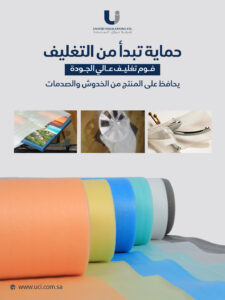
Furniture companies in Saudi Arabia suffer significant annual losses due to product damage during transportation, whether within cities or across regions. These losses are not limited to repair costs but also include re-manufacturing, shipping, and customer service expenses.
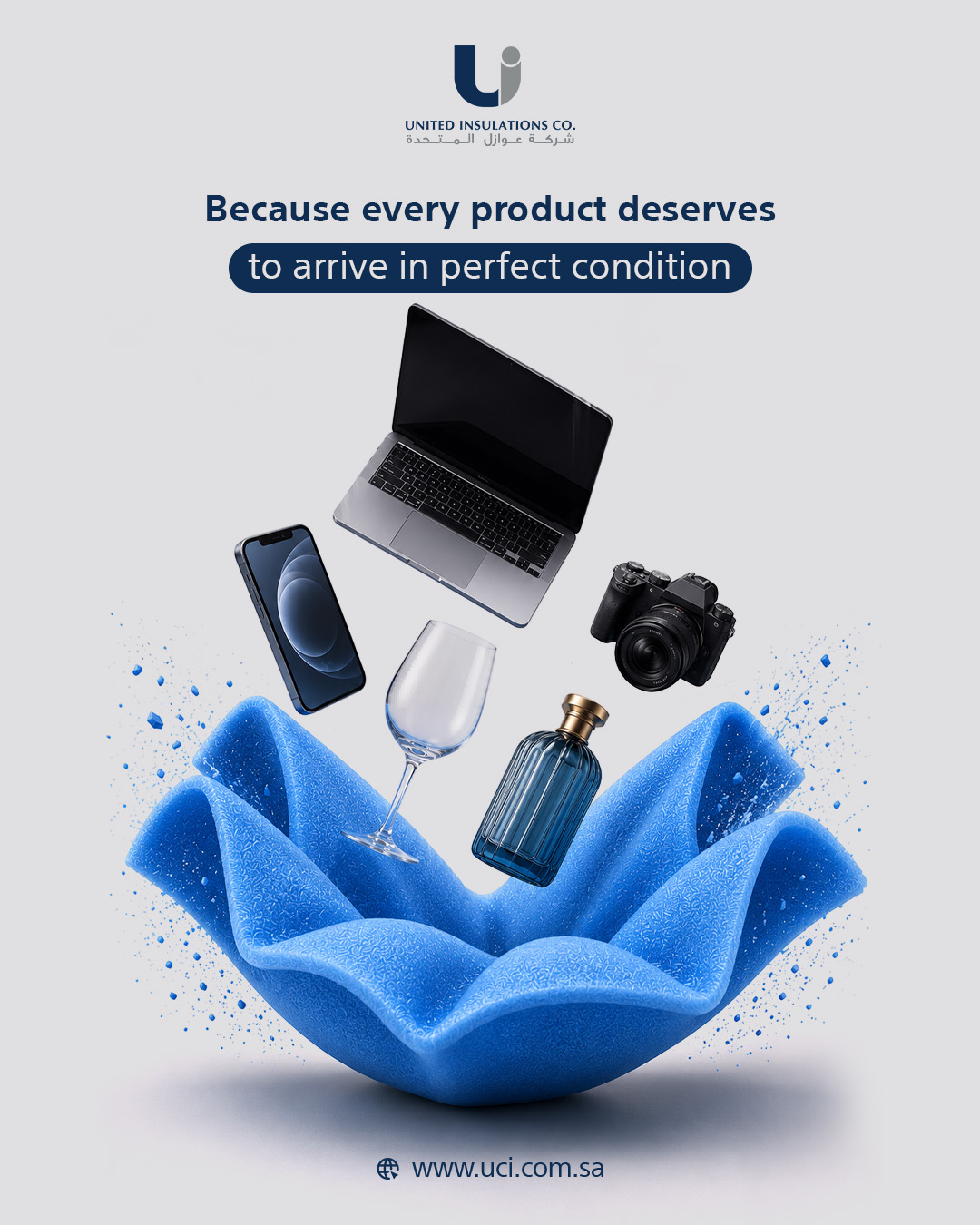
Estimates indicate that furniture damage rates in some companies range between 10% to 25% of total shipments, which directly impacts operational profits.
Transportation is the most sensitive stage in the supply chain due to vibration, improper loading, stacking, and weak packaging.
Returns caused by damage result in direct financial loss and reduced customer trust in the brand.
There are indirect costs such as customer support, reshipping, and delivery delays, which are not clearly visible but impact profitability.
Scratches occur due to friction between items during loading or weak packaging materials.
Corners are most exposed to direct impacts during transport and stacking.
Glass and thin wooden pieces are most vulnerable to breakage.
Improper handling during lifting causes structural cracks.
Luxury, glass, and finely crafted wooden furniture are the most vulnerable.
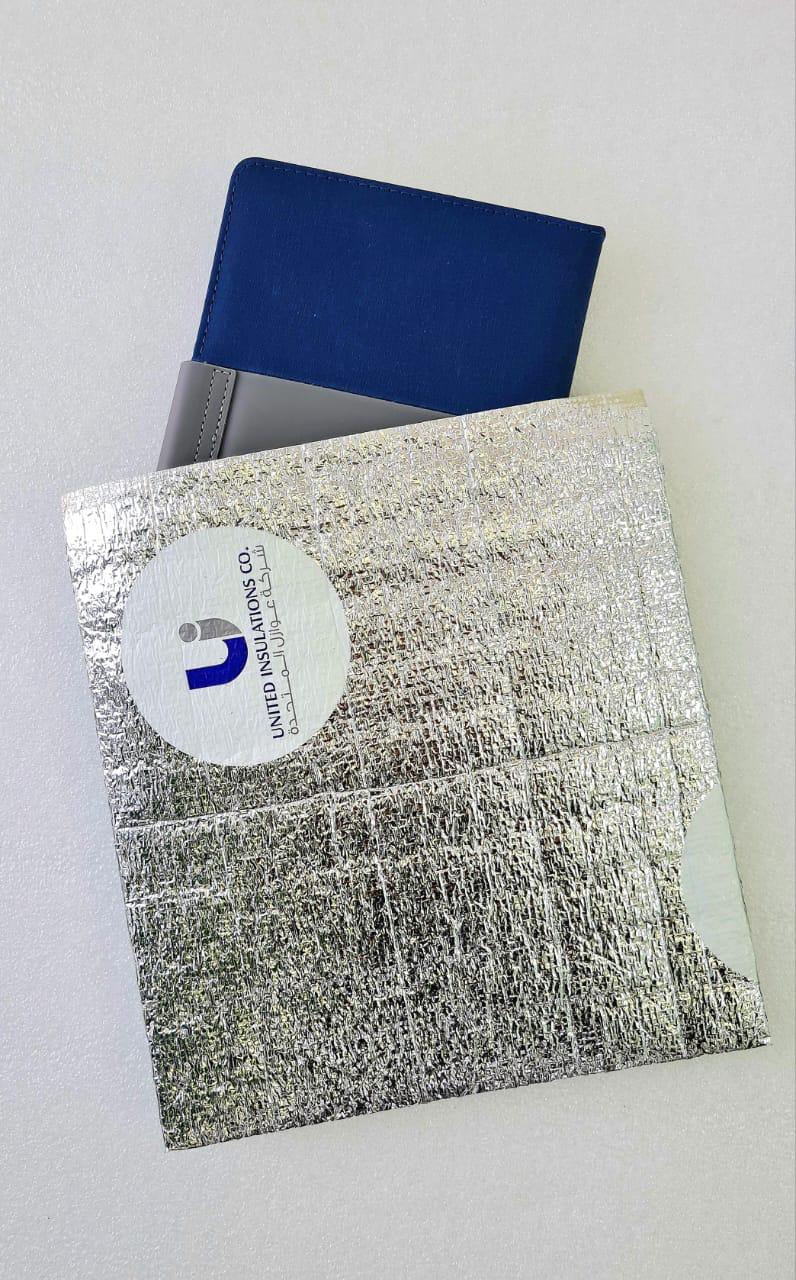
Using cheap materials leads to weak protection during transport.
Cardboard alone is not sufficient for shock absorption.
Lack of corner protection leads to direct damage even in short transport.
Improper stacking creates excessive pressure on lower items.
Small operational mistakes accumulate into major financial losses over time.
Foam reduces vibration and impact during transport.
Prevents direct friction between items.
Provides an insulating layer that prevents direct contact.
Protects furniture from moisture and environmental factors.
Because it provides strong protection at low cost compared to losses.
Foam corners absorb direct impacts.
Provides extra support during handling.
Protects sensitive items from even minor damage.
Significantly reduces customer complaints.
Unprotected furniture suffers up to 40% higher losses.
Foam and corner protection provide the highest ROI.
Includes re-manufacturing damaged products.
Includes re-delivery of products.
Includes logistics and administration.
Includes long-term customer loss.
Losses can reach up to 25% of shipments in some cases.
Using high-quality materials such as foam.
Adding protective corners to all items.
Improving worker efficiency.
Improving operational procedures.
The company provides foam corners to protect sensitive products.
It offers multiple sizes and thicknesses for different applications.
Technical support is available to select the right solution for each factory.
Because these solutions reduce costs and improve customer satisfaction.
There was reliance only on cardboard.
Foam and corner protection were used.
Damage rates decreased by more than 50%.
Professional packaging reduces losses directly.
The best material is packaging foam because it absorbs shocks.
Yes, foam provides much better protection.
By using foam corners.
Yes, it reduces damage and therefore returns.
Glass and luxury wooden furniture.
Packaging is not an extra cost but an investment that reduces losses and increases profit.
Customer experience improvement starts from product protection during transport.
The real ROI appears in reduced returns and improved efficiency.