Table of Contents
ToggleIn many projects, developers and contractors assume that using premium materials alone can prevent insulation failure. However, reality proves otherwise. Even the best materials can fail if execution is flawed, leading to post-handover issues, financial losses, and reputational damage.
The real issue lies not in the material itself, but in an integrated system involving design, execution, and supervision.
Technical specifications are often precise, but execution fails to reflect them. This gap is a major cause of insulation errors.
A flawed design creates weak foundations—even with premium materials.
Not every project requires the same insulation type. Wrong choices lead to future failures.
Minor mistakes accumulate over time until insulation failure becomes inevitable.
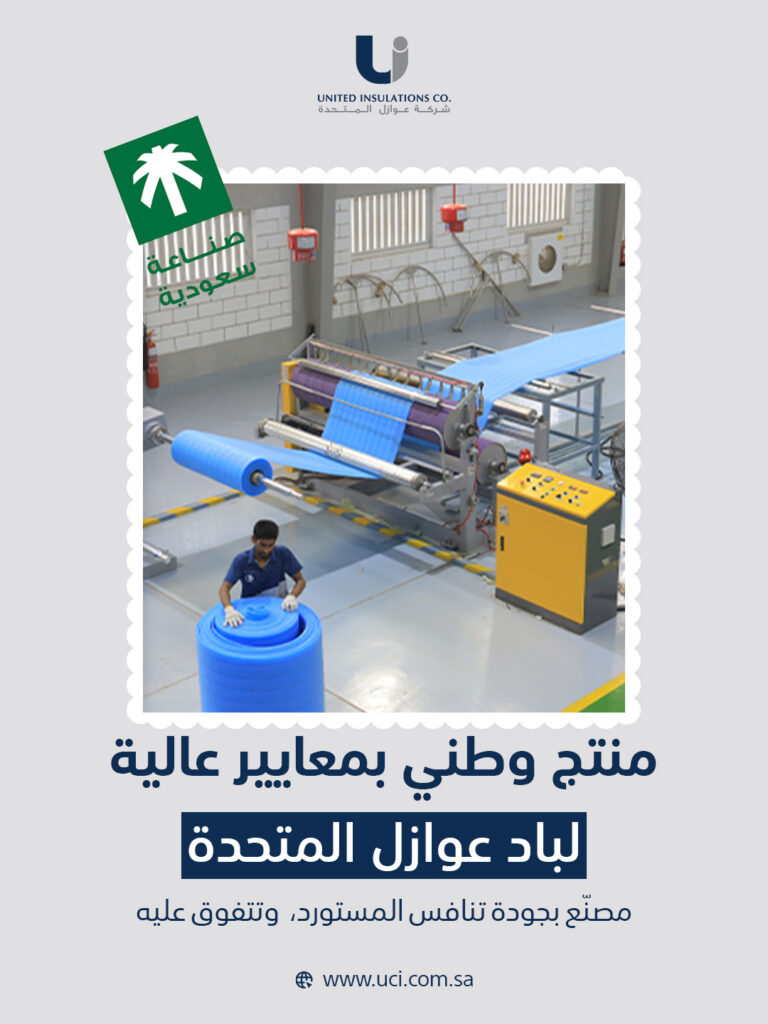
Using insufficient thickness reduces performance significantly.
Rushed work without supervision results in poor execution quality.
Such as corners, joints, and exposed surfaces.
Poor insulation leads to significantly higher energy costs.
Disputes arise due to post-handover insulation problems.
Rework means losing both time and money.
Insulation is not just a material—it’s a complete system.
Coordination reduces errors significantly.
Technical support ensures the right solution is selected.
The company provides tailored solutions for residential, commercial, and industrial sectors.
Helps prevent insulation errors before they occur.
Ensures uninterrupted supply for large-scale projects.
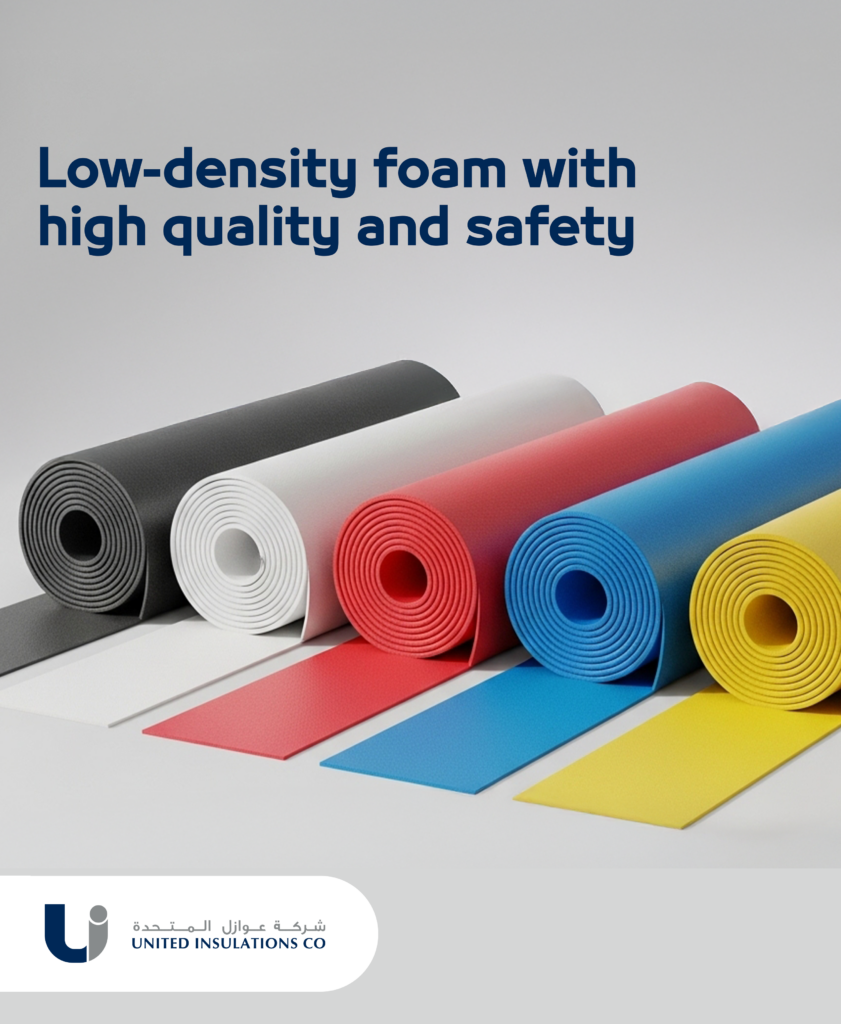
Proper insulation prevents failure and protects building quality.
Investing in quality reduces long-term costs.
No, execution and design are equally important.
Usually after the building becomes operational.
Sometimes, but often requires partial or full rework.v
Depends on contracts, often the contractor.
Don’t wait for problems—start right from the beginning.
Ultimately, insulation success isn’t just about material quality—it’s about the integration of all project phases. Ignoring small details leads to failure, while proper planning and execution ensure long-term performance and sustainability.
No related posts.
United Insulations Company (UCI) is a leading Saudi company specialized in manufacturing and supplying thermal and acoustic insulation solutions, as well as low-density foam products. The company is committed to the highest standards of quality and sustainability to support construction and industrial projects within the Kingdom and beyond.
Third Industrial City, P.O. Box: 22766 Jeddah-6838, Saudi Arabia
Sunday - Thursday 8AM : 5PM