In the world of professional sports facilities, selecting shock-resistant sports flooring is no longer optional—it is a core element in designing any modern gym or sports field. Every jump, sprint, and high-intensity movement generates impact forces that directly affect joints and athlete safety.
For project managers, procurement directors, and sports facility operators (B2B), choosing the right shock absorption pad impacts:
Studies show that athletes may experience impact forces ranging from 3 to 6 times their body weight during jumps or runs. Without proper shock-resistant flooring, this force transfers directly to knees, ankles, and the spine.
This increases the risk of:
Flooring is not just a walking surface—it is a protection system. Integrating a shock absorption pad reduces rebound intensity and protects users.
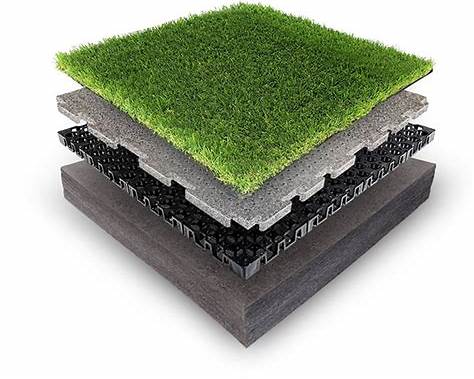
Shock-resistant sports flooring is a specialized foam layer installed beneath sports surfaces to absorb impact energy and reduce shock transfer.
It is typically manufactured from high-quality LDPE or resilient foam designed to absorb energy while maintaining stability.
Regular floors:
Shock-resistant sports flooring functions as an integrated safety system.
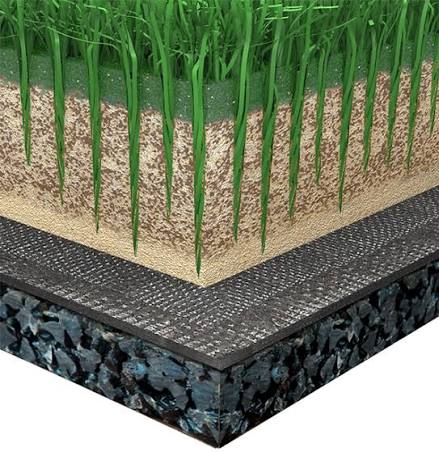
Ideal for gyms and high-intensity training areas.
Provide safer environments for children.
Improve user experience and reduce injury complaints.
Shock-resistant flooring distributes impact forces evenly.
Balanced rebound enhances movement efficiency.
Provides stable support for rapid movements.
Protects top layers and reduces wear.
Basketball differs from weightlifting. Each sport requires a specific shock absorption level.
Higher intensity requires more advanced shock absorption foam.
United Insulation Company provides advanced industrial and sports insulation solutions using modern manufacturing technologies aligned with ISO 9001 standards.
Key products include:
The company provides engineering consultation to determine the optimal thickness and density.
Is Shock Resistance Necessary for All Sports?
Not always, but it is essential for high-impact sports.
Difference Between Foam Flooring & Shock Resistance?
Foam flooring can be surface-level, while shock resistance is an engineered underlayer system.
How Do I Determine the Right Thickness?
It depends on activity type, user volume, and training intensity
Choosing shock-resistant sports flooring is not just a procurement item—it is a strategic investment that protects assets, reduces risks, and enhances athletic experience.
If you manage or oversee a sports project, now is the time to make a professional decision.
Request shock-resistant sports flooring solutions