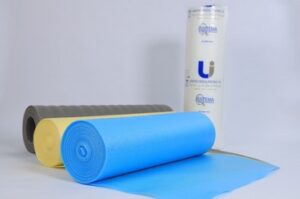
In a climate like Saudi Arabia, where temperatures remain high for most of the year, insulation is no longer optional—it is a strategic necessity. Here, thermal insulation foam boards stand out as one of the most efficient and reliable solutions in modern construction projects.
Whether you are a real estate developer, contractor, or industrial project manager, choosing the right insulation system directly impacts energy consumption, building lifespan, and end-user satisfaction.
United Insulation Company (UCI) is one of the leading Saudi companies delivering integrated insulation solutions, manufacturing high-quality products in line with international standards and supporting Vision 2030’s sustainability goals.
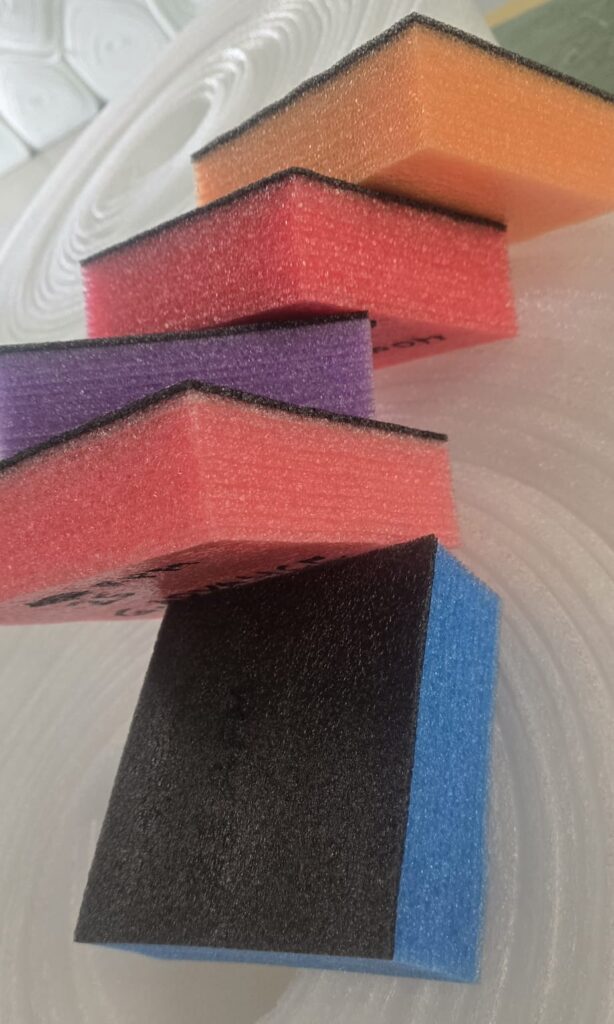
Thermal insulation foam boards rely on a closed-cell structure that significantly reduces heat transfer. This structure prevents air leakage and minimizes energy loss.
Key features:
Traditional materials such as fiberglass may lose efficiency over time or when exposed to moisture.
In contrast, foam insulation boards maintain their thermal performance for years without noticeable degradation.
The applications of thermal insulation foam boards extend across multiple sectors, making them ideal for B2B projects.
Used in:
Building insulation foam boards significantly reduce cooling energy consumption.
In industrial projects, thermal control is critical.
Solutions like Hanger Insulation provide effective condensation control and improve working environments.
From factories to residential complexes, thermal insulation foam ensures stable performance even in harsh conditions.
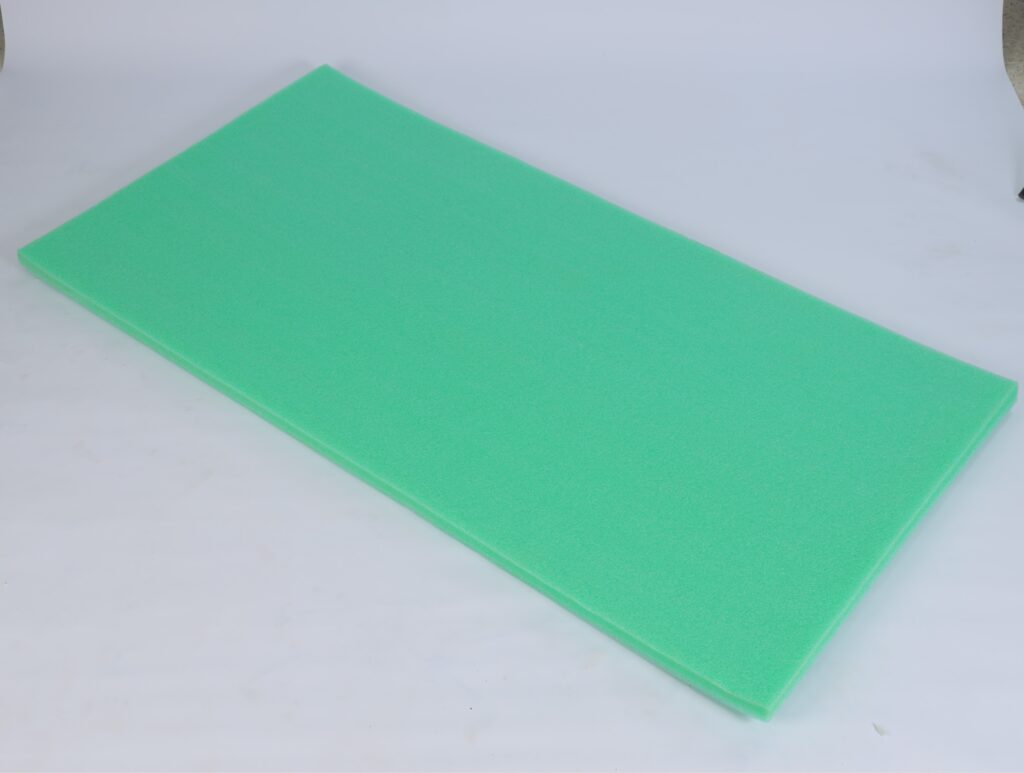
Foam boards are lightweight, reducing transportation and installation costs.
Thanks to their closed-cell structure, they resist water absorption.
They can reduce energy consumption by up to 30% in certain projects, according to building efficiency studies.
Choosing the right thickness directly impacts performance.
Typically between 2–5 cm depending on insulation requirements.
May reach 8–10 cm for large warehouses.
The decision depends on:
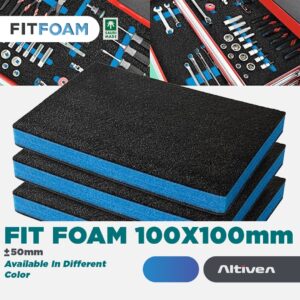
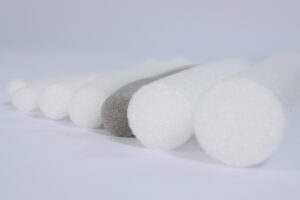
United Insulation Company provides a comprehensive range of high-quality polyethylene foam products.
Certified with ISO 9001 to ensure top quality management standards.
Thermal foam boards are available in multiple sizes to fit various projects.
What Is the Best Thickness for Thermal Foam Insulation?
It depends on the building type and location, but typically 3–5 cm for residential buildings.
Are Foam Boards Moisture Resistant?
Yes, thanks to their closed-cell structure, they resist water penetration.
Are They Suitable for Industrial Buildings?
Absolutely, they are widely used in factories and warehouses.
In modern construction, the question is no longer whether to use insulation, but which thermal insulation foam boards to choose and at what thickness. The right decision not only saves energy but also enhances long-term project value.
If you are looking for a trusted national partner delivering high-standard thermal insulation solutions, United Insulation Company is your ideal choice.
Order Thermal Insulation Foam Boards Now