With fluctuating temperatures and heavy traffic, concrete is subjected to significant mechanical and thermal stresses. Without proper engineering management, this can lead to cracks, premature deterioration, and expensive maintenance
Here’s where expansion joints for roads and bridges play a vital role—absorbing generated forces and safeguarding structural performance long-term
Concrete is a solid material affected by temperature changes—expanding in heat and contracting in cold. These natural behaviors produce significant stresses inside the structure
Without well-designed expansion joints, these stresses can escalate into wide cracks and reduce concrete’s long-term structural capacity
Neglecting expansion joints can lead to:
Reduced road or bridge performance
expansion joints are gaps or flexible materials integrated into concrete structures to allow thermal expansion and contraction without undue stress
Expansion joints act as shock absorbers, absorbing movement and preventing destructive force accumulation
In hot climates like Saudi Arabia, the need for expansion joints increases to ensure thermal structural integrity
Repeated vehicle movement induces stress forces, heightening the importance of well-designed expansion joints
Highways and long bridges require more complex designs compared to small-scale projects
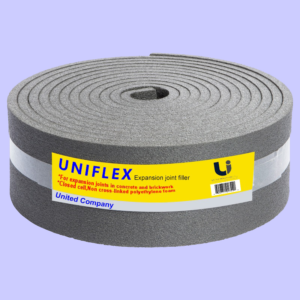
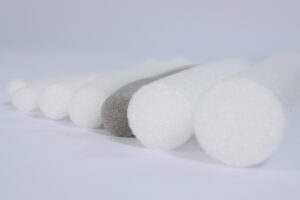
Flexible foam materials are used to absorb movement between concrete slabs and come in various sizes and designs
Mechanical joints accommodate larger movements for heavy-duty projects.
| Joint Type | Performance | Lifespan | Cost |
|---|---|---|---|
| Foam Joints | Great for thermal movement | Good | Medium |
| Rubber | Excellent for heavy loads | High | Higher |
Determine expected movement and loads to select the ideal joint.
Areas with drastic temperature changes require high-absorption expansion joints
Ensure compatibility with thermal and acoustic insulation systems for holistic performance.
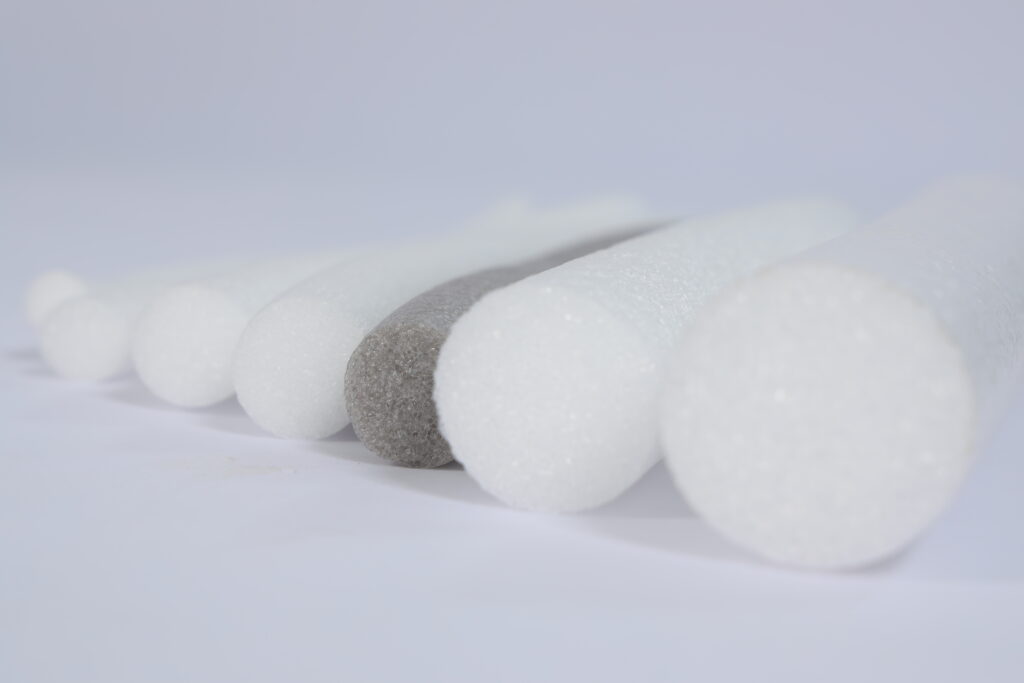
High-quality foam that balances movement absorption and withstands thermal expansion and contraction
– Ideal for commercial and industrial roads and bridges
✔️ Compatible with other insulation systems for enhanced thermal performance
UCI offers integrated solutions that include foam expansion joints, structural thermal insulation systems, and expert technical support
Learn more: Expansion Joints from UCI
Expansion joints for roads and bridges are not optional—they are strategic necessities for longevity, safety, and performanceUCI offers integrated solutions that include foam expansion joints, structural thermal insulation systems, and expert technical support
Contact us for expert consultation and tailored expansion joint solutions.
What Is the Best Type of Expansion Joint for Concrete?
It depends on the project—rubber joints excel under heavy loads, while foam is great for thermal movement
Can You Skip Expansion Joints in Small Projects?
Generally not recommended—even small projects experience movement and need stress management
How Do Expansion Joints Affect the Lifespan of Roads or Bridges?
They reduce stress, prevent premature damage, extend structural life, and lower maintenance costs