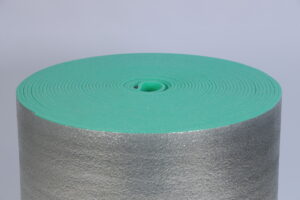
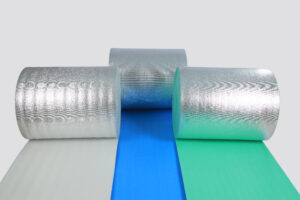
In multi-story buildings, sound insulation between floors is one of the most critical challenges affecting both residents and offices. Noise transmitted from one floor to another can impact comfort, concentration, and privacy. Acoustic floor underlays have become an effective solution to reduce noise caused by footsteps, shoes, or electrical appliances.
Living in multi-story apartments increases the need for floor sound insulation. Direct and indirect noises can lead to continuous complaints from residents if proper insulation is not applied from the start.
Studies indicate that noise between floors accounts for about 40% of resident complaints in modern residential buildings and directly impacts the work environment in multi-story offices.
Wall insulation reduces sound transmission through walls but cannot prevent structural noise caused by walking or impacts on the floor. This is where floor underlays play a crucial role in effectively reducing noise between floors.
To understand the importance of floor underlay in sound insulation, it’s essential to know the ways sound travels:
Airborne sound travels through the air, such as conversations, television, or music. Effective insulation techniques are required to prevent sound from spreading from upper to lower floors.
Impact sound comes from walking, moving furniture, or dropping objects and travels through the building structure. This type of noise is often more disturbing than airborne sound and requires Parquet Underlay or Carpet Underlay to interrupt vibration paths.
Acoustic floor underlays act as a medium that absorbs vibrations and prevents them from transferring to lower floors, significantly reducing noise.
Low-density foam (LDPE Foam) used in Parquet Underlay and Carpet Underlay absorbs walking impacts and furniture movement, reducing floor vibration noise and improving acoustic comfort.
Floor underlay isolates direct sound paths, especially when high-quality materials with proper thickness and density are used for each project.
Floors without proper underlay transmit vibrations easily, even if walls are well-insulated. Therefore, focusing on floor sound insulation is the optimal solution to reduce noise complaints.
Choosing the right underlay depends on floor type and expected use.
The thicker and denser the foam, the higher its ability to absorb sound and reduce vibration transfer. Selecting the appropriate material ensures efficient noise reduction between floors.
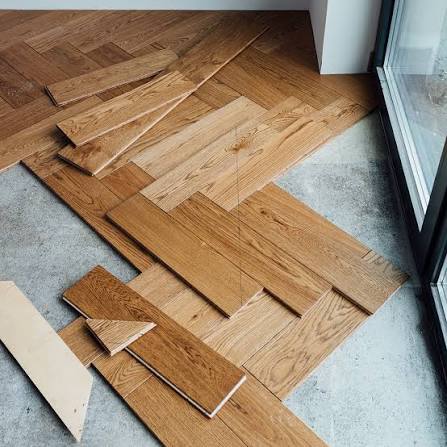
Several factors can reduce acoustic underlay performance, such as improper installation or choosing the wrong thickness.
Choosing a thickness lower than required weakens vibration absorption and reduces sound insulation between floors efficiency.
Uneven installation or leaving gaps creates sound paths, significantly reducing performance efficiency.
Details such as wall junctions, using adhesive tapes, and protecting joints contribute to successful acoustic insulation.
Does Floor Underlay Completely Block Sound?
No underlay can completely block sound, but it significantly reduces both structural and airborne sound transmission between floors.
Which Is Better for Acoustic Insulation: Parquet or Carpet?
Does Thickness Affect Sound Insulation?
Yes, higher thickness means greater ability to absorb sound and vibration, but balance with floor type and usage is essential.
Can Insulation Be Improved After Installation?
Performance can be improved with additional layers or joint adjustments, but it’s best to choose the right materials and installation from the start.
What’s the Difference Between Sound Insulation and Sound Absorption?
Is Floor Underlay Part of Building Code?
In some modern building projects, floor underlay is required to comply with acoustic comfort standards according to local building codes.
Choosing the right Parquet Underlay or Carpet Underlay for each project ensures noise reduction between floors and enhances acoustic comfort. Investing in floor acoustic insulation reflects professionalism and increases user satisfaction.
Resident and client comfort starts with high-quality floor acoustic insulation. Proper solutions reduce complaints, enhance building efficiency, and improve quality of life.
Contact us to supply acoustic floor underlays