In real estate projects, critical decisions are made that directly affect project quality and the developer’s reputation. Yet, parquet underlay for projects is often underestimated, treated as a non-essential detail or a cost that can be eliminated. This misconception leads to reducing its quality or excluding it altogether, even though its true impact only becomes evident after handover.
Ironically, most post-handover complaints are not related to the parquet itself, but to what lies beneath it. At that point, the “small” decision becomes a major operational burden, triggering repairs and complaints that could have been avoided from the start.
Many developers and contractors focus on the parquet type, color, and visible brand, while overlooking an equally critical component: project flooring underlay, which ultimately determines long-term floor performance.
Invisible layers bear the real load of daily use. Parquet foam underlay absorbs vibrations, reduces sound transmission, and protects flooring from moisture and friction.
When a suitable underlay is missing, issues gradually appear—creaking noises, unstable flooring, and premature parquet damage—leading to frequent maintenance claims.
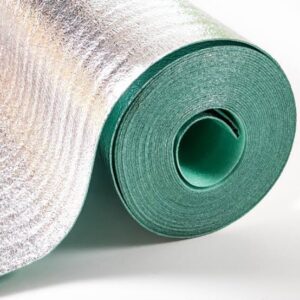
parquet underlay is a specialized foam layer installed beneath parquet flooring to act as an insulating and protective barrier between the floor and the concrete slab, while also distributing loads and enhancing acoustic and thermal insulation.
In multi-story developments, real estate flooring underlay is essential for minimizing noise transmission between residential units, hotels, and offices.
Moisture rising from concrete is one of the most damaging factors to parquet lifespan. Professional parquet underlay acts as a primary defense against premature deterioration.
The more appropriate the underlay’s thickness and density, the greater the floor stability and overall lifespan.
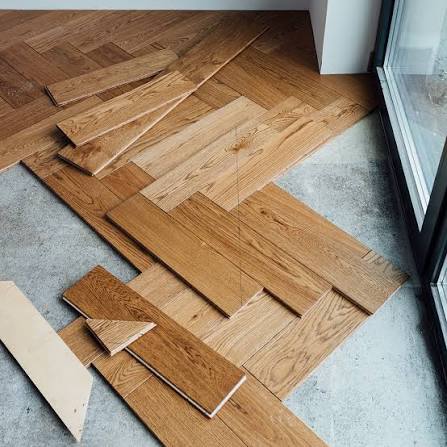
Projects that implement high-quality parquet underlay experience significantly fewer customer complaints and lower maintenance costs.
While the end user may not see the underlay, they experience its benefits daily through quietness, stability, and perceived quality.
A positive experience directly improves project ratings, developer reputation, and sales or leasing speed.
In real estate, reputation is built on small details that residents experience after moving in.

The price difference between high- and low-quality underlay is minimal compared to repair and replacement costs.
Proper parquet foam underlay reduces returns and post-handover disputes.
Quiet, stable units sell and lease faster and often at higher values.
Projects using professional underlay report up to 40% fewer complaints and over 30% longer flooring lifespan.
Noise is one of the most common issues in projects that do not properly implement parquet underlay. Without an underlay, footsteps, furniture movement, and vibrations easily transfer between floors, creating an uncomfortable environment for occupants. In contrast, projects that use high-quality real estate flooring underlay achieve significantly better acoustic comfort, as the underlay absorbs sound and minimizes noise transmission, especially in multi-story buildings.
Over time, floors in projects that do not use parquet foam underlay begin to show signs of instability, such as uneven expansion, gaps between planks, or movement underfoot. These issues do not appear immediately but develop gradually with daily use. Projects that implement professional parquet underlay solutions, however, maintain floor stability and alignment for much longer periods, preserving finish quality and extending the lifespan of the parquet.
Projects that omit parquet underlay typically face higher maintenance costs in the medium and long term. These costs may include floor repairs, reinstallation of planks, or replacement of damaged parquet sections. Conversely, using parquet underlay for projects from the outset significantly reduces the likelihood of such issues, lowering operational budgets and protecting developers from unplanned post-handover expenses.
Customer satisfaction is not determined solely by design or visible material quality, but is strongly influenced by daily user experience. Projects with stable flooring and quieter environments achieve higher satisfaction levels, leading to positive reviews and stronger market reputation. Ultimately, the difference between a project that uses underlay and one that does not becomes clear after occupancy, not just at handover.
In residential projects, selecting the appropriate thickness and density of parquet underlay is essential to balance comfort, quality, and cost. Daily residential use requires a medium-thickness underlay with stable density that absorbs sound and prevents friction without affecting final floor levels. The right choice ensures a quieter living experience and reduces post-handover complaints.
Commercial projects such as offices, showrooms, and retail spaces experience higher foot traffic and greater floor stress than residential projects. As a result, they require real estate flooring underlay with higher density and better load-bearing capacity. Choosing an unsuitable underlay can lead to faster floor wear and increased maintenance costs, while professional-grade underlay ensures stability and long-term performance.
In hospitality and luxury projects, parquet underlay is not merely a technical component but a key element of guest experience and project quality. These developments require parquet foam underlay with carefully selected thicknesses and higher densities, prioritizing acoustic insulation and maximum comfort. Any miscalculation can directly impact guest satisfaction and brand reputation.
One of the most common mistakes when selecting parquet underlay is choosing the thinnest option solely to reduce costs, without considering usage intensity or project requirements. Another frequent error is applying the same thickness across different project types or ignoring technical specifications such as density and compression resistance. These decisions often result in operational issues after handover, forcing developers to bear avoidable additional costs.
One of the most common mistakes in real estate projects is selecting low-quality parquet underlay to reduce overall costs. While this may seem financially justified on paper, it often results in operational issues shortly after use, such as poor sound absorption and unstable flooring. In reality, the initial cost savings eventually turn into significantly higher maintenance and repair expenses.
Some developers and contractors overlook the technical specifications of flooring underlay—such as density, compression resistance, and moisture resistance—and focus solely on thickness or price. This oversight often leads to selecting an underlay that is unsuitable for the project’s usage intensity, ultimately compromising floor performance and long-term efficiency.
Even when high-quality parquet foam underlay is selected, unprofessional installation can significantly reduce its effectiveness. Installation errors—such as improper surface leveling or leaving gaps between underlay sheets—can lead to stability and acoustic issues. Proper installation is just as critical as product quality.
Over time, the accumulation of these mistakes results in increased post-handover complaints, higher maintenance costs, and lower customer satisfaction. They also directly impact the reputation of developers and contractors, reducing referrals and future business opportunities. In real estate projects, small execution errors often translate into major losses during operation.
At United Insulation, we don’t just provide a product—we deliver a fully integrated solution tailored to the nature and requirements of each project.
We offer parquet insulation solutions that are:
Is Parquet Underlay Necessary in All Projects?
Yes, parquet underlay is considered an essential component in almost all projects—residential, commercial, and hospitality. It improves floor stability, reduces noise, and protects flooring from premature wear, directly enhancing project quality and end-user satisfaction.
What Is the Ideal Thickness for Residential Projects?
The suitable thickness depends on the type of parquet and usage level. However, in residential projects, the ideal thickness usually ranges between 2–3 mm, with an appropriate density to ensure comfort and stability without affecting floor height.
Does the Underlay Reduce Sound Between Floors?
Yes, a high-quality underlay significantly reduces impact noise caused by footsteps and movement, especially in multi-story buildings. Choosing the right density enhances acoustic insulation and improves indoor comfort.
What Is the Difference Between Commercial and Professional Underlay?
Commercial underlay is typically designed for light usage and lower cost, while professional-grade underlay is built for heavy-duty use, offering higher density and superior technical specifications—making it ideal for long-term real estate projects.
Does the Underlay Affect Project Costs?
Yes, underlay does affect the overall project cost, but it is a smart investment. Selecting the right underlay reduces future issues, lowers maintenance costs, and protects flooring—resulting in long-term savings.
When Should I Use Carpet Underlay Instead of Parquet Underlay?
Carpet underlay is used specifically for carpets and should not be used with parquet flooring. Each product is designed for a specific purpose, and using carpet underlay beneath parquet is a technical mistake that affects stability and floor lifespan.
Why Is Investing in Underlay a Smart Decision?
Because parquet underlay directly impacts flooring quality, user comfort, and post-handover issues. Investing in high-quality underlay enhances project value and reflects the professionalism of developers and contractors.
How Does the Underlay Protect the Project in the Long Term?
A quality underlay protects flooring from wear, reduces noise, and maintains parquet stability for years. This results in fewer complaints, lower maintenance needs, and a stronger project reputation in the real estate market.
Investing in parquet underlay is a smart decision that protects the project and enhances its long-term market value.
Request parquet underlay specifications for your projects
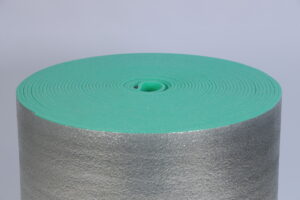 The Future of Floor Insulation in Modern Real Estate Projects
 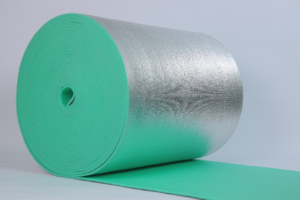 Parquet Underlay vs Carpet Underlay in Residential vs Commercial Projects
 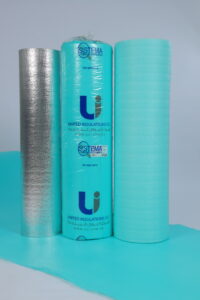 Parquet Underlay – The Hidden Factor That Defines the Quality of Modern Flooring Projects
  Parquet Underlay in Luxury Projects – Standards That Allow No Margin for Error