In today’s world, where industrial products — from electronic devices to glass or metal furniture — travel long distances, sometimes across borders, product protection during shipping and storage becomes essential to safeguard quality, minimize losses, and ensure customer satisfaction. Here, packaging foam acts as a first line of defense against shocks, scratches, moisture, and vibration.
If you run a factory, warehouse, or distribution company, choosing a high-quality industrial packaging material can make a big difference — reducing costs from product returns or damage, to potential reputational loss — and contribute to the sustainability of your business.
In this article, we review how packaging foam from United Insulations Company (UCI) can be your ideal choice to protect your industrial or commercial products.
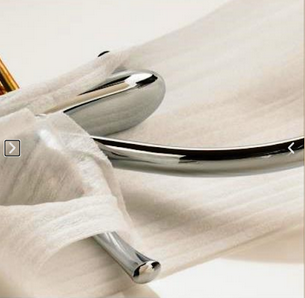
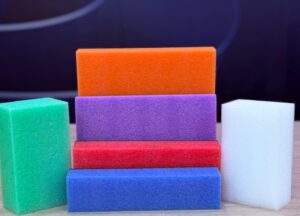
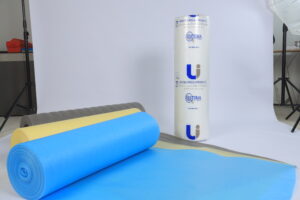
The product known as Packing Sheet from UCI is composed of low-density polyethylene foam (LDPE Foam), professionally processed to be lightweight, flexible, and shapeable.uci.com.sa
Closed-cell foam is characterized by a structure that prevents easy ingress of air or moisture, meaning the packaged product remains protected from moisture absorption or chemicals — which is especially important when packing glass, electronics, clothing, or furniture
Unlike rigid materials, the foam is lightweight and flexible, making it easy to wrap and shape according to the product’s shape and size. uci.com.sa
When shipping devices such as computers, screens, or electrical tools — the foam wraps the devices securely, prevents shocks, and reduces internal vibration during transit.
Glass furniture, kitchen components, mirrors, or ceramics — all are sensitive even to minor shock or scratch. Packaging foam offers a soft protective layer that prevents friction and scratches and preserves edges.
Even for heavy or metal products, foam (or a combination of foam and protective corners) can be used to protect from shocks during loading/unloading or shipping.
In warehouses or during land, sea, or air transport — using packaging foam reduces the likelihood of product damage, and makes storage and stacking easier without fear of friction or pressure.
The foam sheets (Packing Sheet) are very light, reducing the overall weight of parcels — which matters especially in bulk shipments. They can be cut, wrapped, or shaped according to the product’s dimensions.
The foam significantly reduces the impact of shocks during transportation or handling and absorbs vibrations — ensuring the internal integrity of products without cracks or damage.
Its tight structure makes the foam resistant to water, humidity, oils, and even some chemicals — offering extra protection for sensitive products.
Unlike cardboard or wood, the foam surface is smooth and non-abrasive, protecting devices, glass, painted surfaces, or furniture from scratches during handling or movement.
Thanks to its durability and flexibility, the packaging foam can be reused multiple times — reducing material waste and contributing to sustainable packaging practices, aligning with responsible industrial philosophy.
In many cases, the best protection comes from a combination of Packing Sheet + Foam Bags + Foam Corners — using sheets to wrap the product, bags for internal protection, and Foam Corners to safeguard sensitive edges.
Many companies manufacturing or importing electrical appliances (like refrigerators, washing machines, screens, computers…) rely on packaging foam to protect their products during domestic shipping or export.
When exporting furniture, mirrors, glass, or wooden pieces, using packaging foam reduces losses caused by scratches or breakage during transport.
Logistics, distribution companies, and warehouses involved in long-term storage or continuous shipping require flexible and reliable packaging solutions — industrial packaging foam is an ideal choice for them.
Product sensitivity: If the product is glass, polished metal, or has a delicate surface — a soft, non-abrasive foam is preferred.
Foam thickness (typically between 1 mm to 6 mm per company specs) affects its ability to absorb shocks. The greater the thickness and density, the stronger the protection — especially for heavy or fragile products.
Since every product differs — in weight, material, shape, destination (domestic shipping or export) — it is always better to request a consultation from UCI’s technical team to determine the appropriate foam thickness, type, and optimal packaging method.
Packing foam sheets are used for wrapping large or irregular-shaped products, while foam bags are better suited for uniform-sized items, medium to small devices.
Yes — provided you choose the appropriate foam thickness and density, or use multiple layers or a combination with protective corners.
You can contact UCI’s team via their contact channels and request “custom sizes and thicknesses as needed” — the company offers manufacturing tailored to customer requirements.
Yes — the company serves factories, warehouses, and distribution companies, and provides bulk supply upon request.
Why risk your products or reputation with poor packaging? Choosing industrial packaging foam from United Insulations Company means a smart investment in the safety of your goods, customer satisfaction, and higher logistical efficiency.
Contact us to know suitable sizes and thicknesses for your products